
There are moments in life that feel almost unreal — and the midnight sun is one of them. North of the Arctic Circle, night loses its meaning. The sun simply circles the horizon instead of setting, stretching the day into something dreamlike. The further north you go, the more extreme it becomes, until at Europe’s very top, daylight can last for more than two months without interruption.
That was the idea behind our summer journey — a slow road trip of roughly 3,000 kilometres across northern Finland, Norway and Sweden. We were visiting friends along the way, but the real destination was always the same: Nordkapp (North Cape), the northernmost point of Europe you can reach by road.
Driving into the Arctic
The road to Nordkapp winds through some of the most striking landscapes in the far north. Norway opens up here into something vast and quiet — endless fjords, bare tundra, and a horizon that feels impossibly wide.
One of the most memorable stretches follows the Porsangerfjord, where the world seems reduced to three colours: deep blue sea, pale sky, and green land stripped of trees. It’s the kind of scenery that makes you slow down without planning to — not because of the road, but because everything outside the window keeps pulling your attention away.
Eventually, the journey drops beneath the sea itself. A long tunnel cuts under the ocean to Magerøya island — descending 212 metres below sea level and stretching nearly seven kilometres. It feels less like a road and more like crossing into another world.
At the edge of the continent
We were lucky — unusually lucky, as locals kept reminding us. Instead of fog and wind, Nordkapp greeted us with calm seas and clear skies. One of the best summer days of the entire season, apparently.
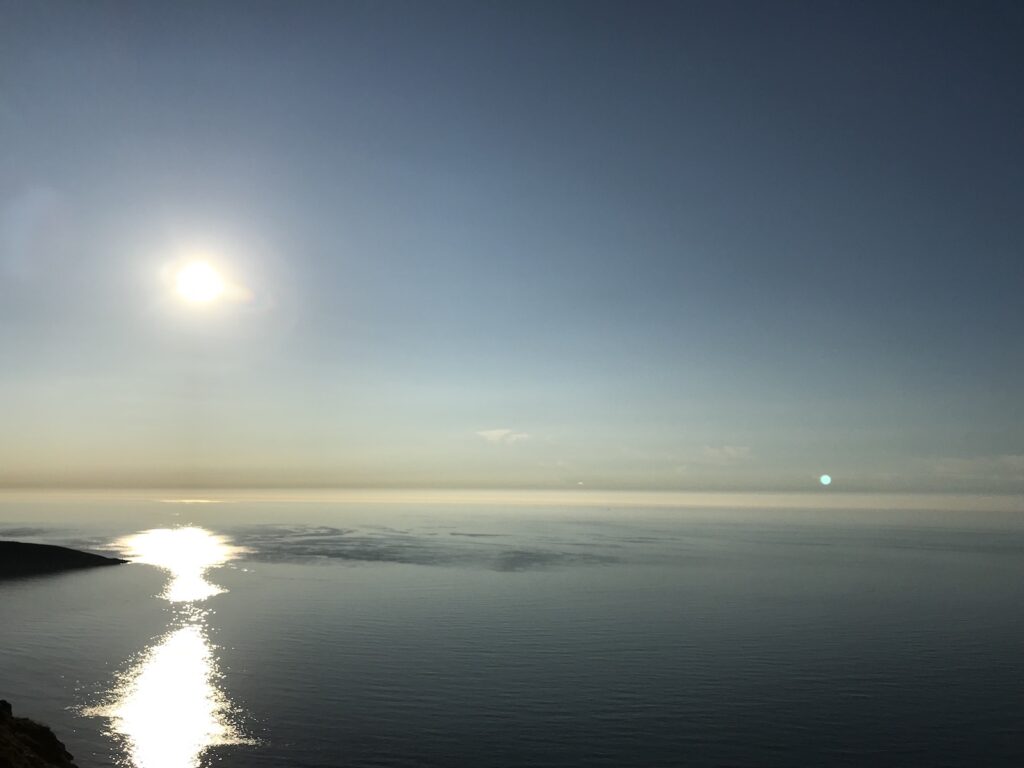
Even late in the evening, sunglasses were still necessary. Around 10 or 11 pm, the sun hovered low over the Arctic Ocean, turning the water into a sheet of liquid gold. The surface was so still it looked almost artificial.
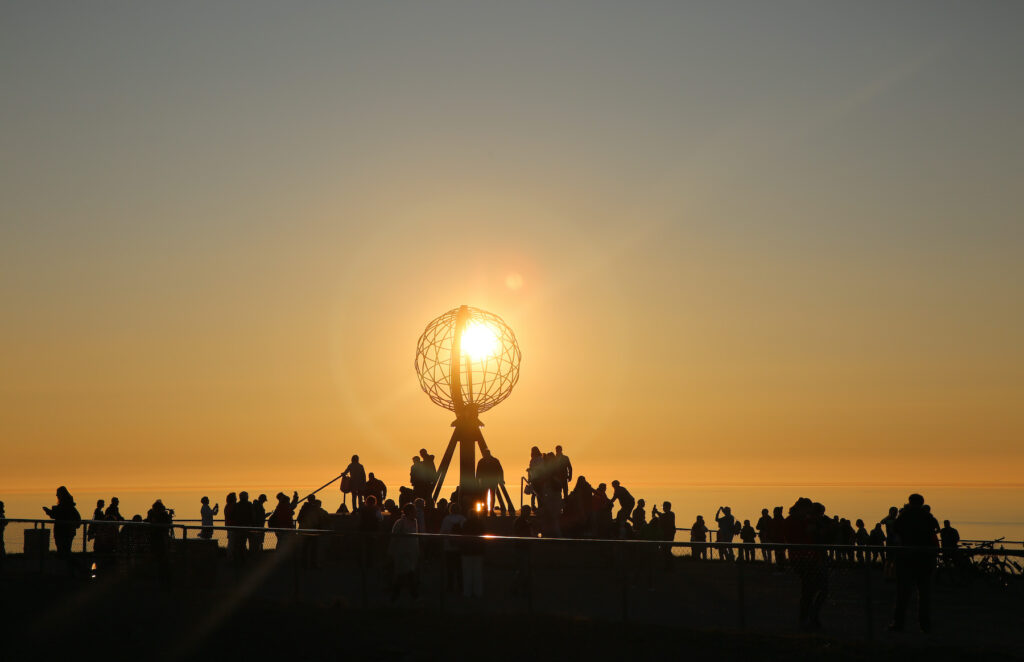
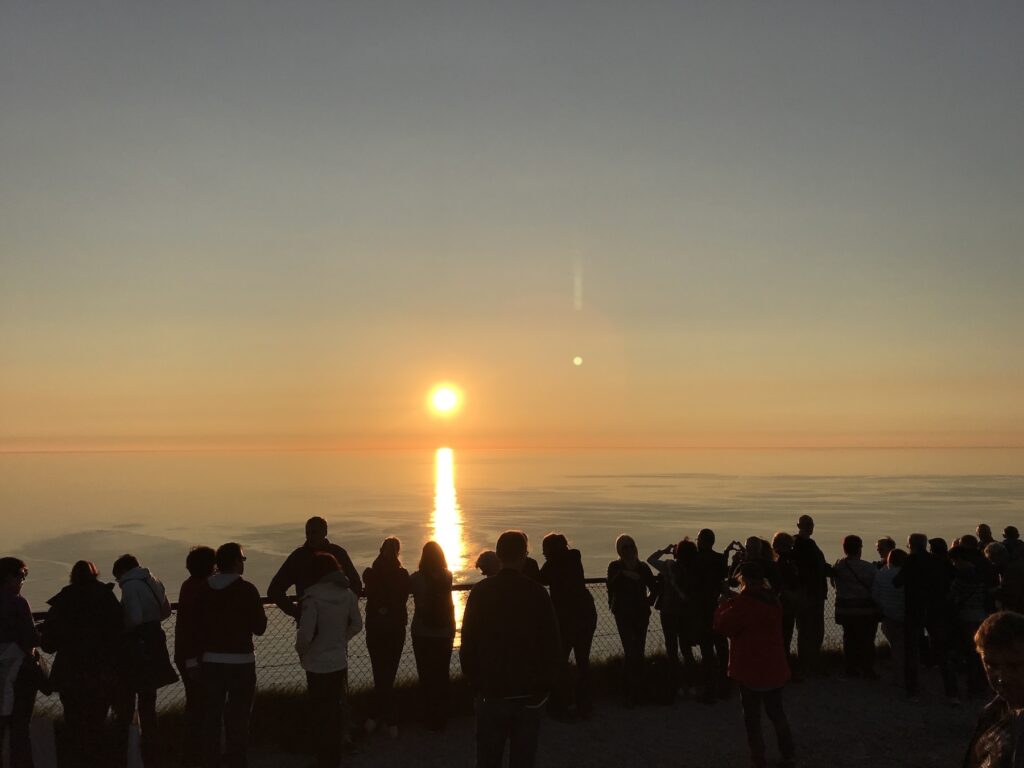
By 11 pm, crowds had gathered around the globe monument. Tour buses kept arriving, bringing visitors who had come for this exact moment — the slow performance of the midnight sun.
And then it happened. The sun lowered to the ocean … paused… and instead of sinking, began to rise again. The sea beneath it shimmered like old metal — deep gold, almost oily, completely motionless.
King crab at the top of the world
Dining here feels inseparable from the landscape. The local speciality is king crab, caught in the icy waters of the Barents Sea. Sweet, rich, and slightly surreal when you realise just how far north you are while eating it.

Skarsvåg – a village at the edge of everything
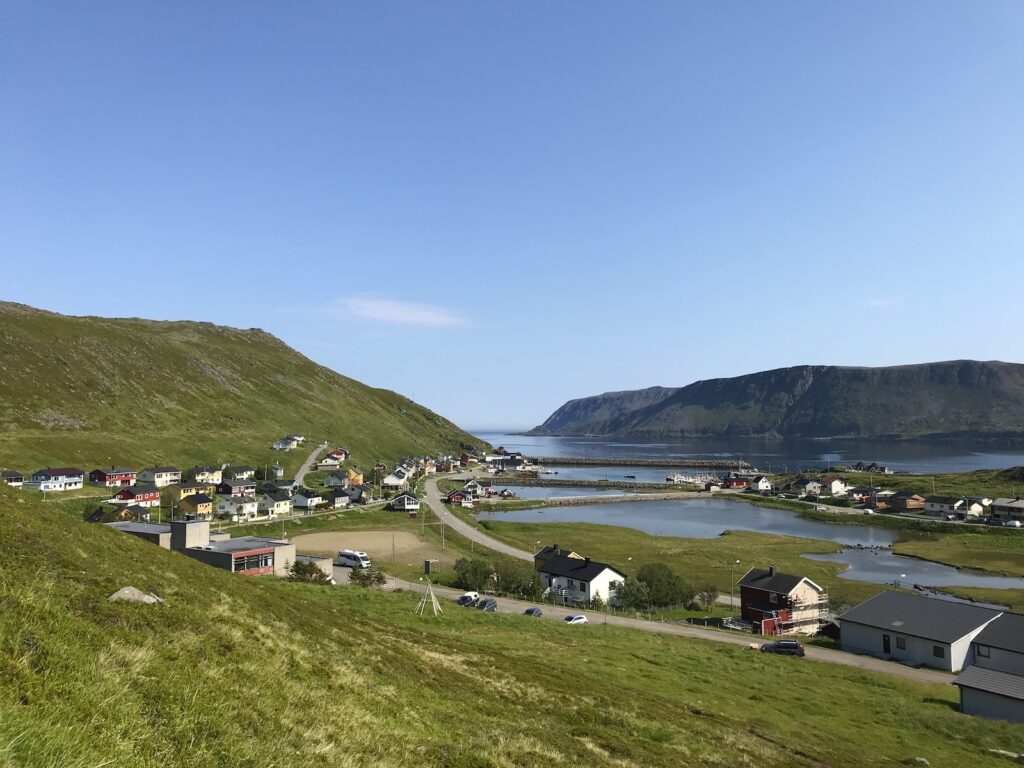
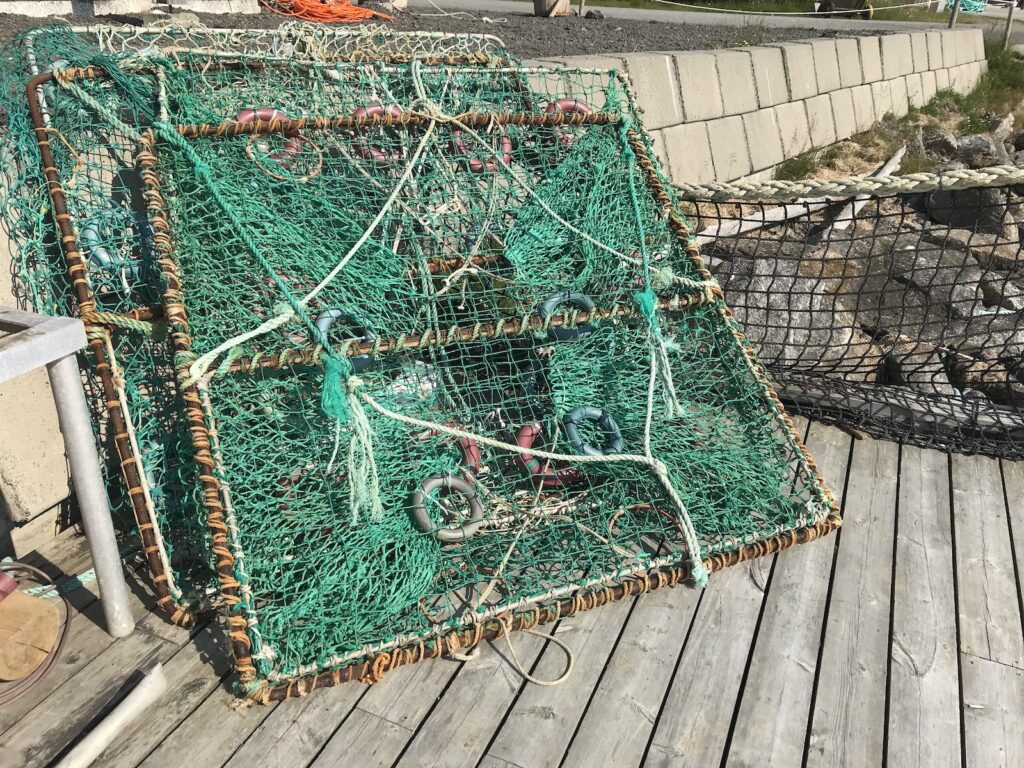
The next morning we continued to Skarsvåg, often described as the northernmost fishing village in the world. Around sixty people live here, mostly connected to fishing — especially cod, which is hung out to dry in the Arctic air.
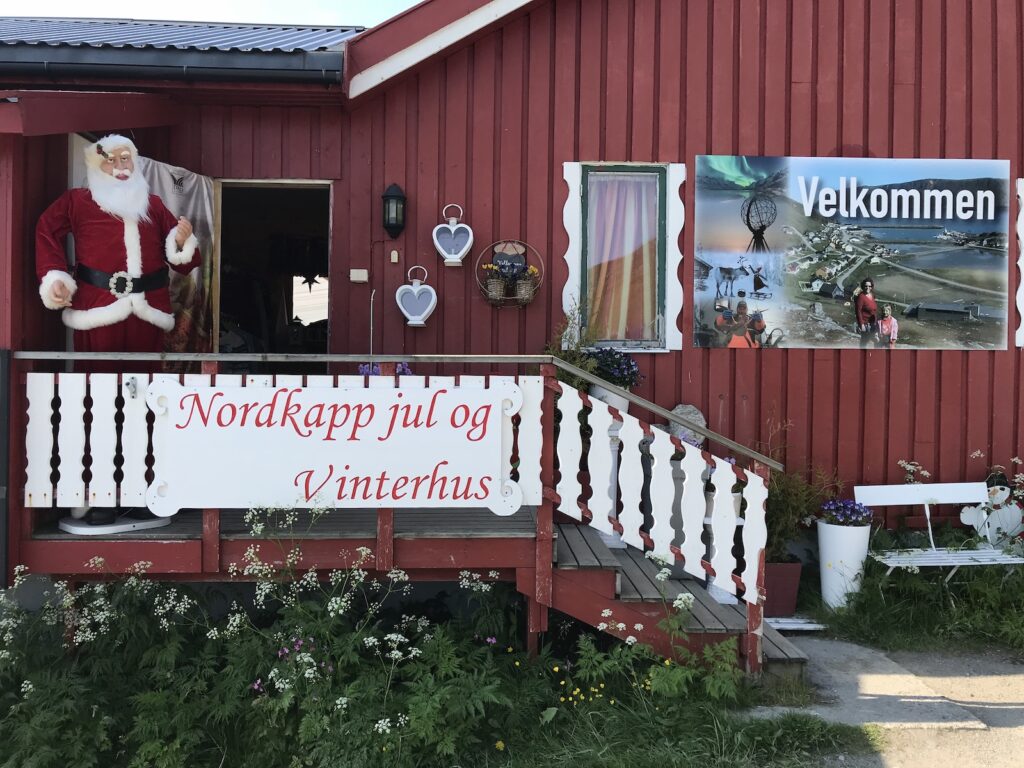
It’s a place of contrasts. In the middle of summer, you can step into a Christmas house filled with ornaments, lights, and decorations — a strange, cosy pocket of winter that never really ends. Waffles, pancakes, and strong Norwegian coffee complete the experience.
Behind the village, a short hike leads to a small fjord with a view back toward Nordkapp — distant, quiet, and almost floating above the sea.

The northern road continues
From here, the journey bends east along the Barents Sea, passing remote places like Tana Bru, Vardø, and finally Kirkenes near the Russian border.
Travel in the far north can be surprisingly flexible. Norway, Sweden, and Finland all follow the principle of “everyman’s right”, allowing camping in nature and access to vast open land as long as it’s done responsibly. For travellers on a budget, campsites and small cabins offer affordable alternatives.
Getting there
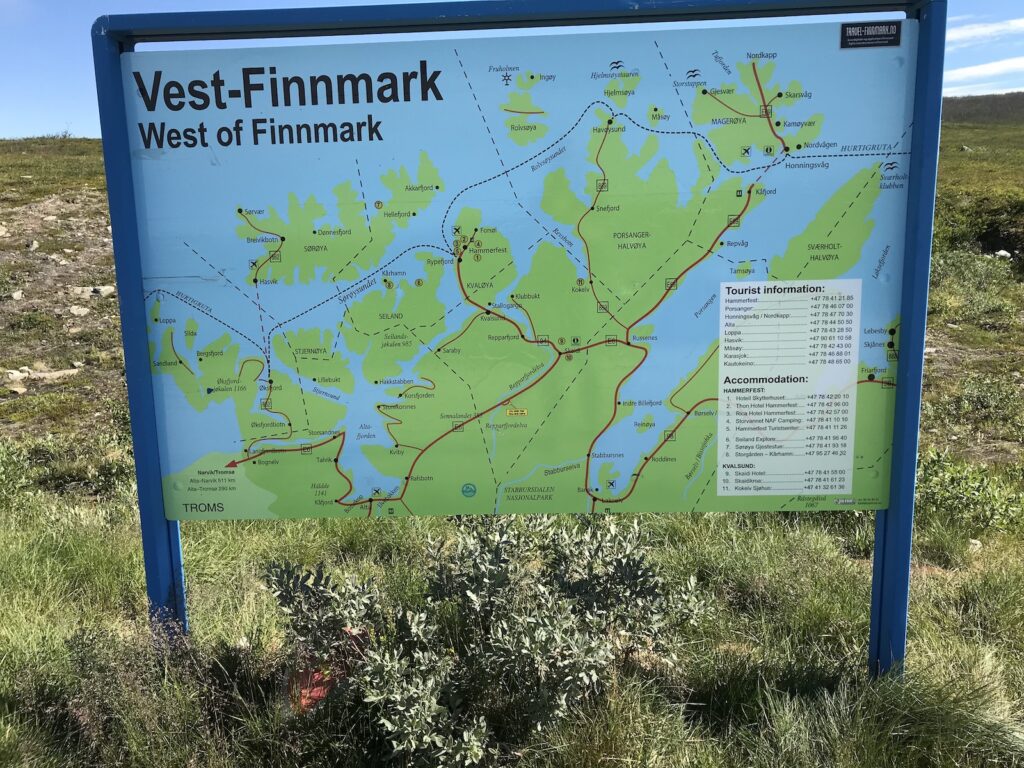
Nordkapp is reachable by car, camper, or bicycle for those with serious endurance. A more practical option is to fly into Tromsø or Kirkenes and continue the journey north by road.
This isn’t a trip about ticking off a destination. It’s about reaching a place where time behaves differently — where the sun forgets to set, and the world quietly dissolves into light.
