
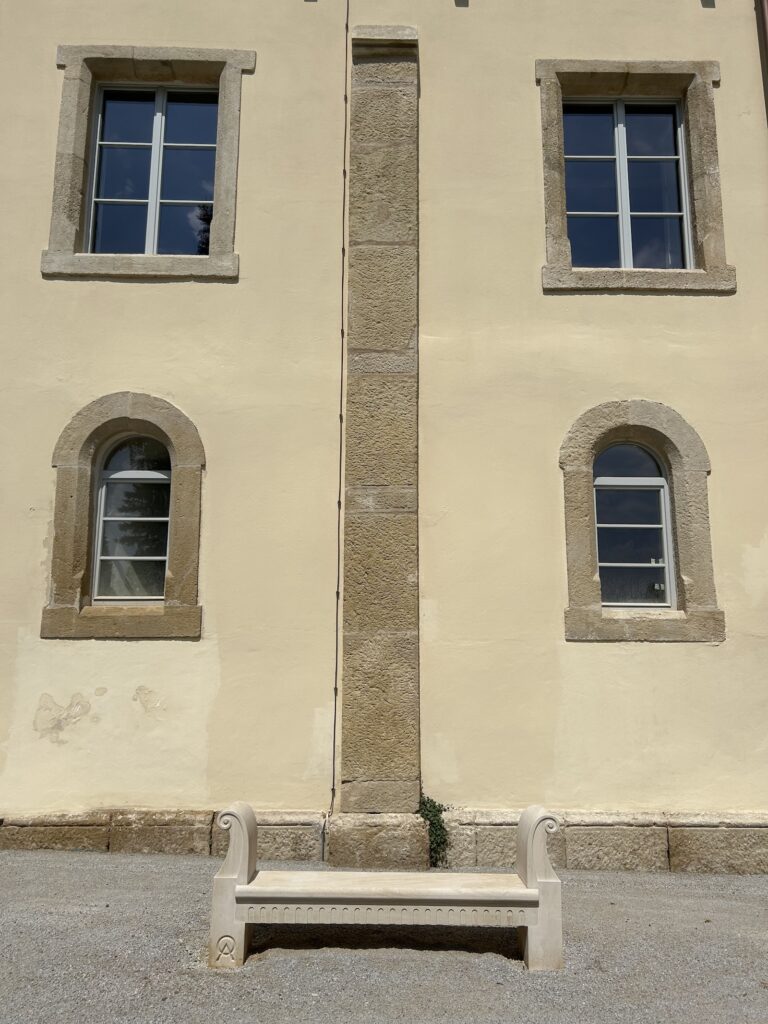
Some of my earliest memories of Opeka are not really memories at all, but fragments. A crumbling castle hidden behind trees. Empty windows. Overgrown paths. The feeling that this had once been an extraordinary place, even if I was too young to understand why. I first visited Opeka as a child with my grandmother, and somehow those images stayed with me. I never forgot the name. Even years later, I could still picture the castle slowly disappearing behind greenery and imagine what it must once have been. That is why I was particularly happy to be invited back this week to see the newly restored castle and arboretum before their official reopening.
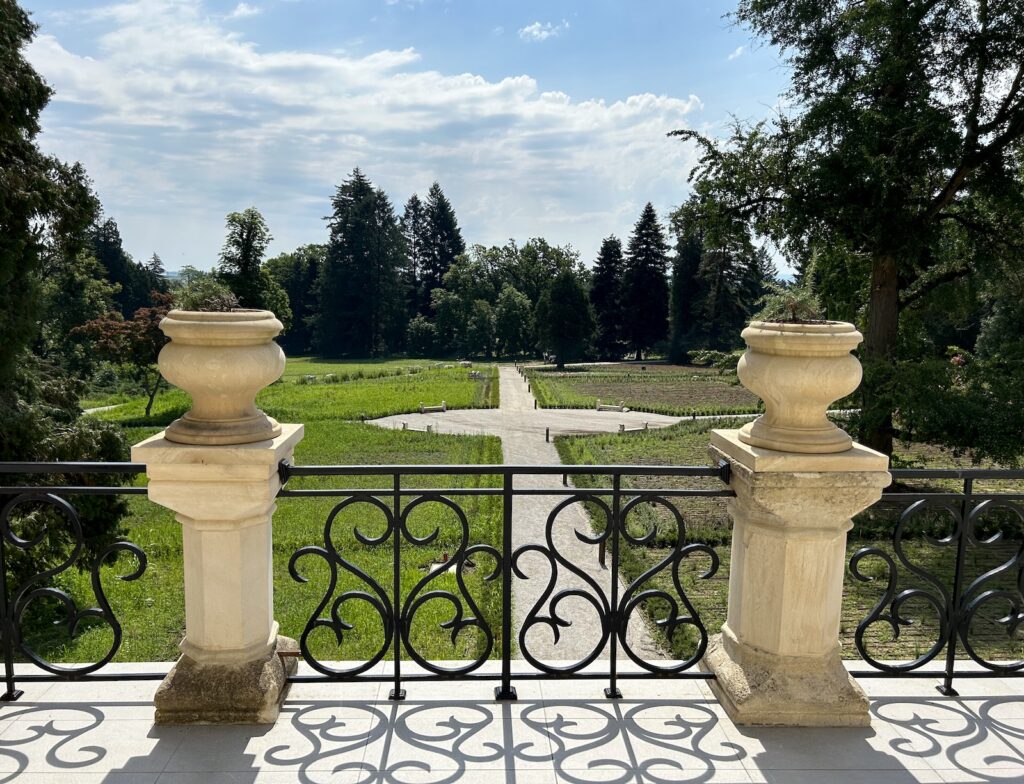
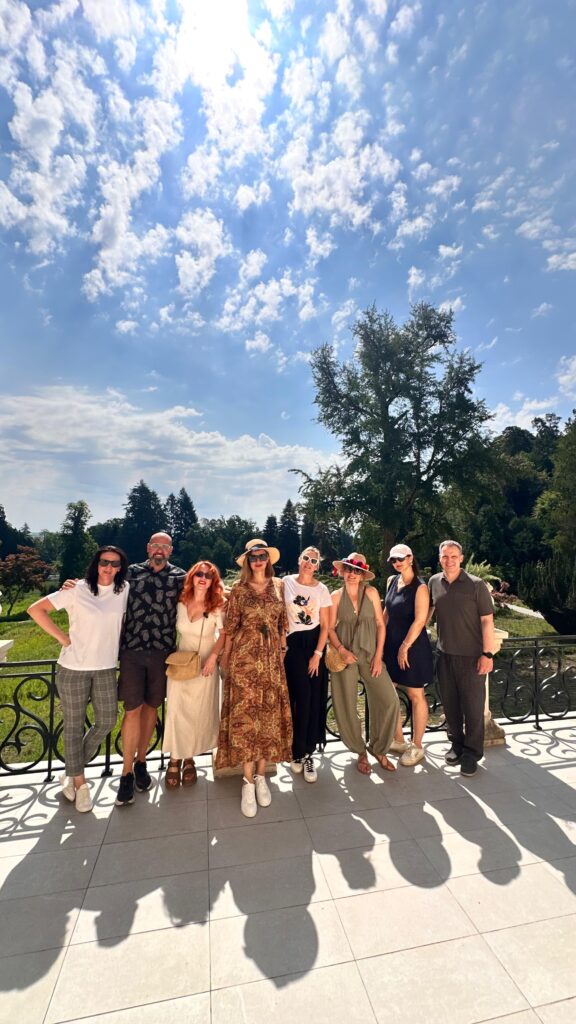
Returning now, years later, felt almost surreal. Standing on the terrace of the restored castle and looking out across the park below, it is difficult to reconcile today’s view with those childhood memories. The lawns are open again, the historic vistas have returned, and one of Croatia’s most remarkable estates is preparing for a new chapter. Opeka is not fully finished yet. Workers are still completing the final details and the official opening is still ahead. But for the first time in decades, the story here is no longer about decline.
A Castle, an Aristocratic Family and a Vision
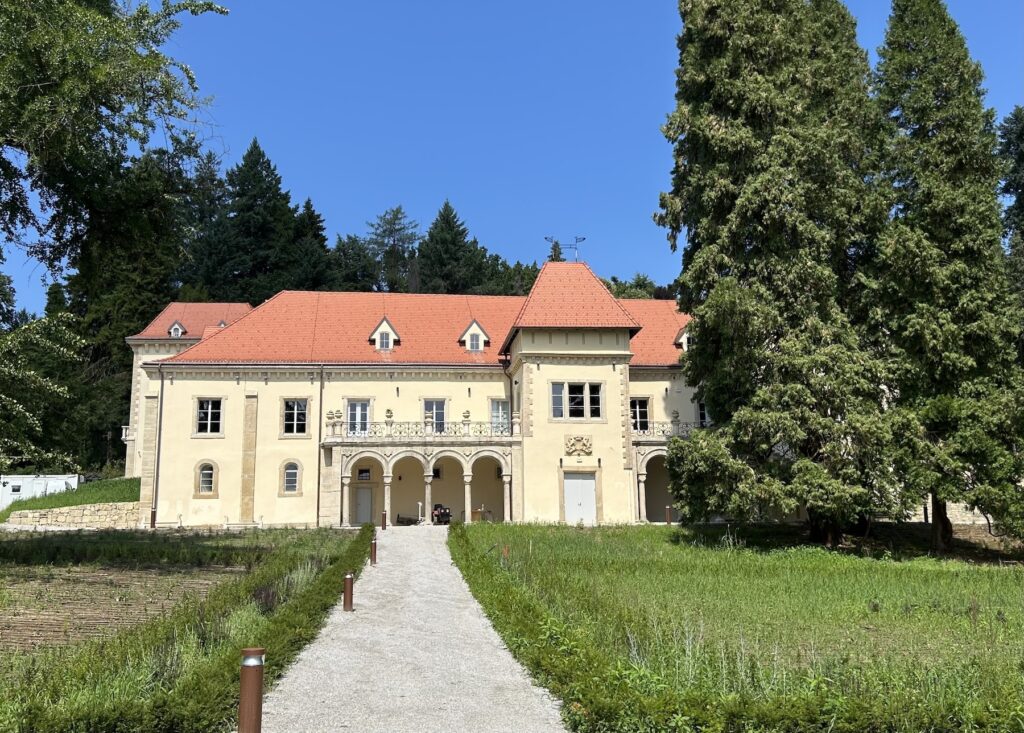
Long before Opeka became Croatia’s oldest and largest arboretum, it was a noble estate. The Baroque castle was built in the second half of the 17th century and occupies a commanding position above the park below. Over the centuries, the estate passed through the hands of some of Croatia’s most influential noble families, including the Drašković family, before entering the possession of the Bombelles family in the 19th century. That was the moment Opeka found its identity.
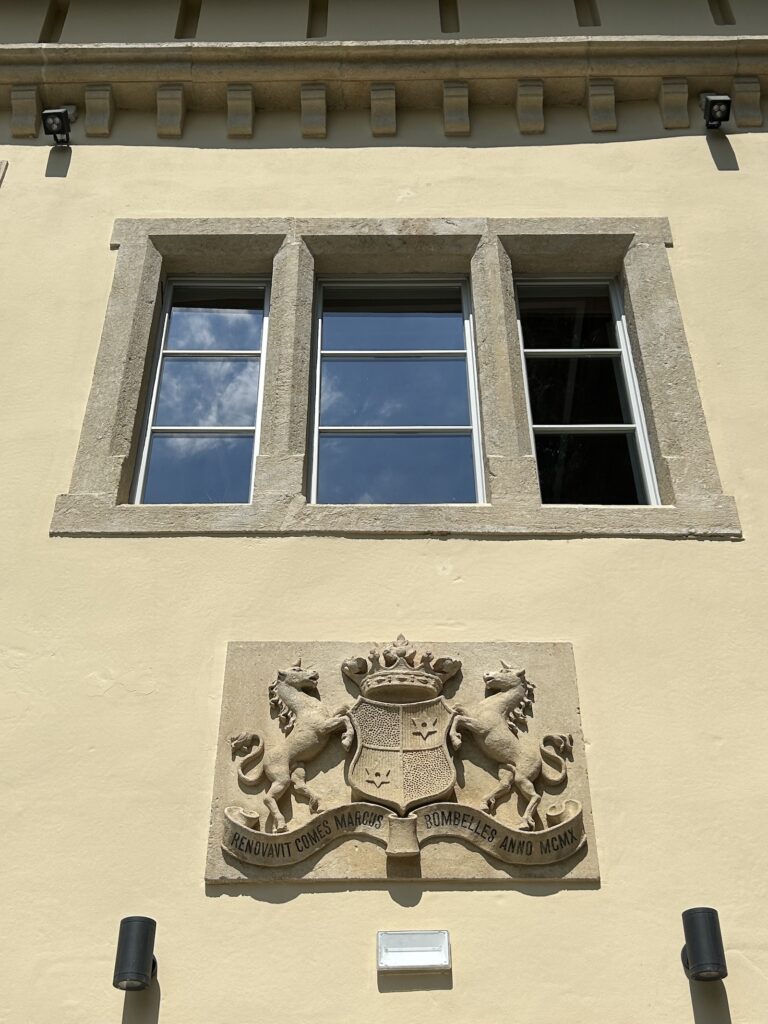
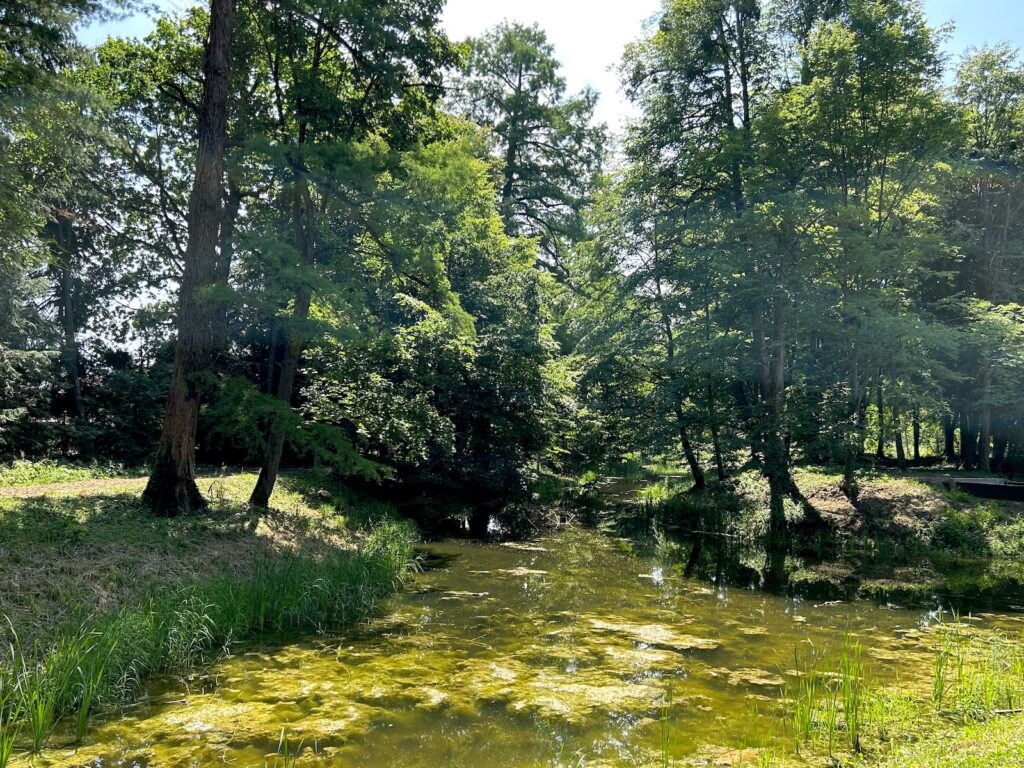
The Bombelles were members of a prominent aristocratic family within the Habsburg Empire, with connections stretching across Central Europe. Count Marko Bombelles did far more than simply own a castle. Inspired by the great landscape parks fashionable across Europe at the time, he expanded the estate, added terraces and towers to the manor, and gradually transformed the surrounding grounds into what would become Croatia’s most important arboretum. Bringing trees and shrubs from across Europe, Asia and North America, he created an extraordinary collection that still defines the park today. Even the name Opeka tells a story. Local tradition holds that the estate takes its name from the brickmaking that once took place here. The small lake near the edge of the park is believed to be a remnant of the area where clay was extracted, a quiet reminder of how Opeka got its name.
From Nationalisation to Decades of Decline
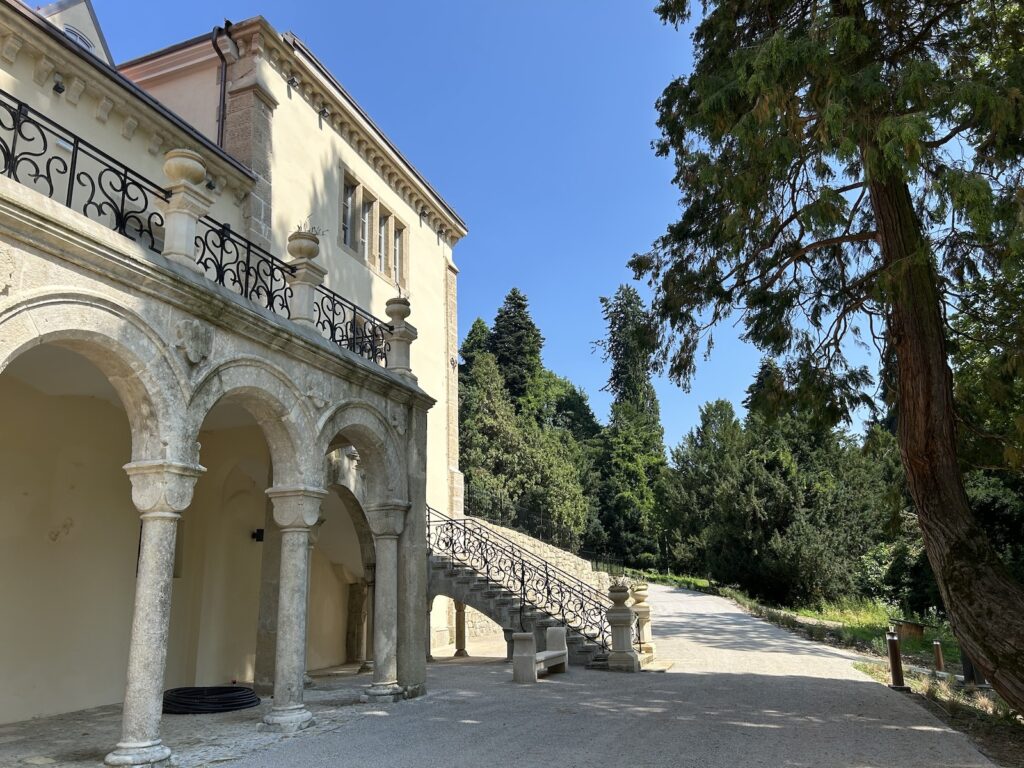
Like many aristocratic estates across Central and Eastern Europe, Opeka’s fortunes changed dramatically after World War II. When Yugoslavia came under Tito’s socialist government, the estate was nationalised and the Bombelles family lost ownership. Although the arboretum remained protected — becoming Croatia’s first protected natural site in 1947 — the castle itself entered a long period of uncertainty. Different institutions occupied the building over the years, but none had the resources needed to maintain it properly. Gradually, the estate slipped into decline.For more than half a century, nature proved more resilient than architecture. While the arboretum survived, the castle became increasingly fragile, a haunting reminder of a more elegant age.
Walking Through Opeka Today AND VISITING THE ‘CHAPEL’
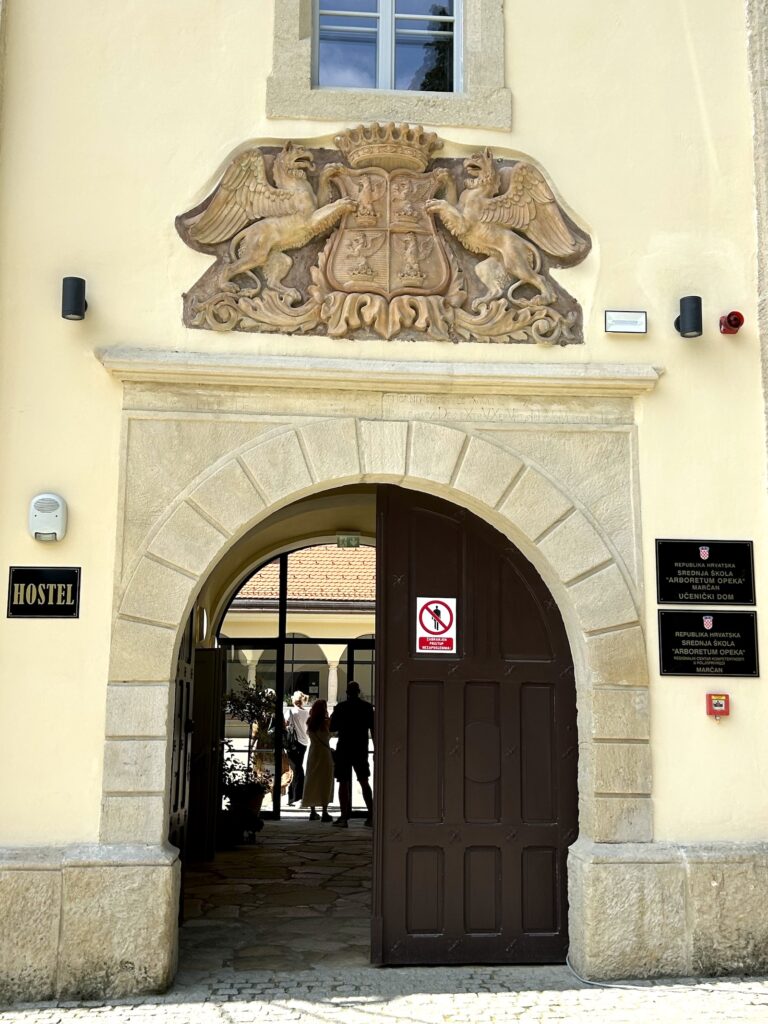
That contrast is what makes visiting Opeka now so fascinating. The castle has been restored and given a new purpose as the home of the Regional Centre of Competence in Agriculture. Around it, a €10.3 million revitalisation project has reshaped large sections of the arboretum, creating nearly ten kilometres of walking paths and new visitor facilities.
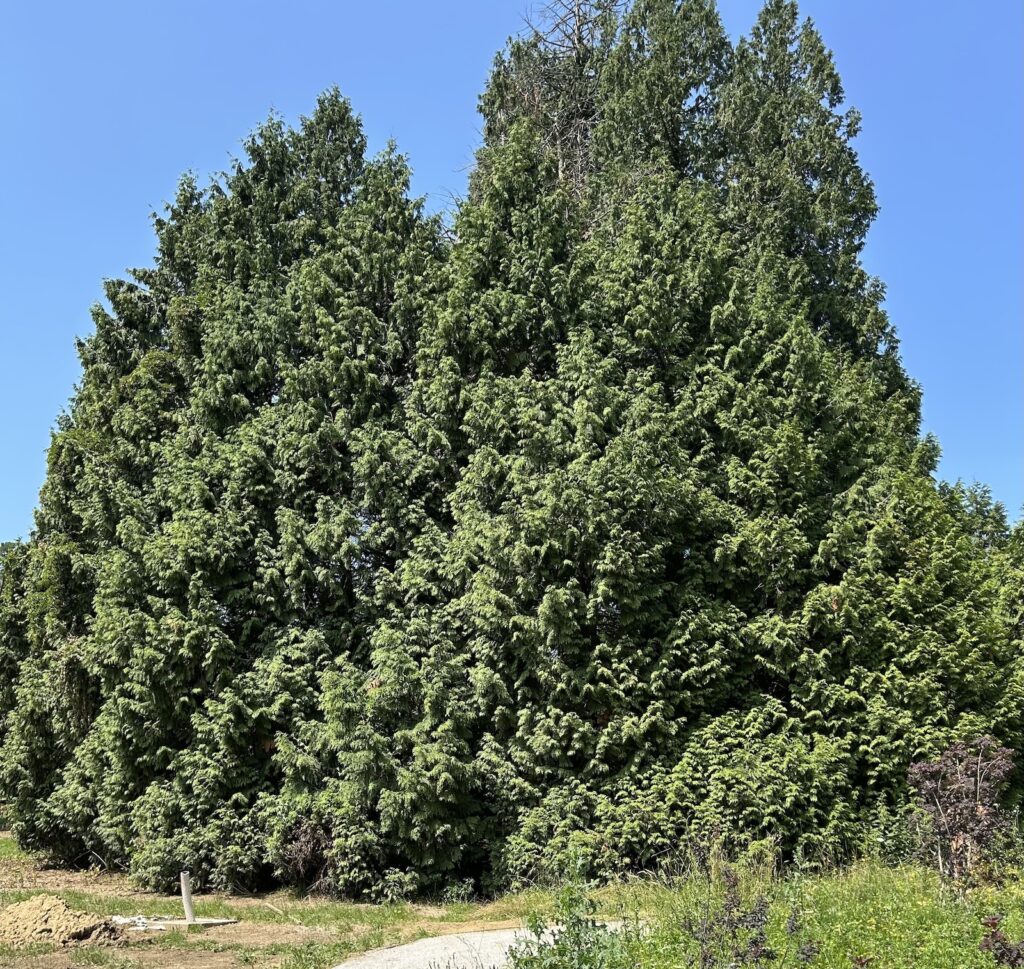
Then there are the thujas. Not a single tree, but a cluster that has spent decades growing into itself. Their branches have intertwined so completely that they have created a hidden green chamber large enough to step inside. It was nicknamed ‘The Chapel’. Looking from the outside, it resembles an oversized shrub. Standing within it is something else entirely. Light filters through the foliage, the air feels noticeably cooler and the noise of the park fades away.
It is one of those places photographers immediately gravitate towards, and after spending a few minutes there, it is easy to understand why.

A Place for Families, Nature Lovers and Curious Explorers
The revitalised arboretum has been designed with a wide range of visitors in mind. Families will appreciate the eco-playground, where large insect-inspired climbing structures encourage children to learn about nature through play. Elsewhere, a sensory garden invites visitors to engage sight, touch, smell and sound, while accessible paths ensure the experience can be enjoyed by everyone.


The former swimming pool has also been reimagined as a water feature and open-air stage, creating a unique setting for concerts, performances and cultural events that are expected to become an important part of Opeka’s future programme.
For those seeking a quieter experience, woodland trails wind beneath mature trees and pass a historic 19th-century icehouse hidden among the greenery.
More Than a Park
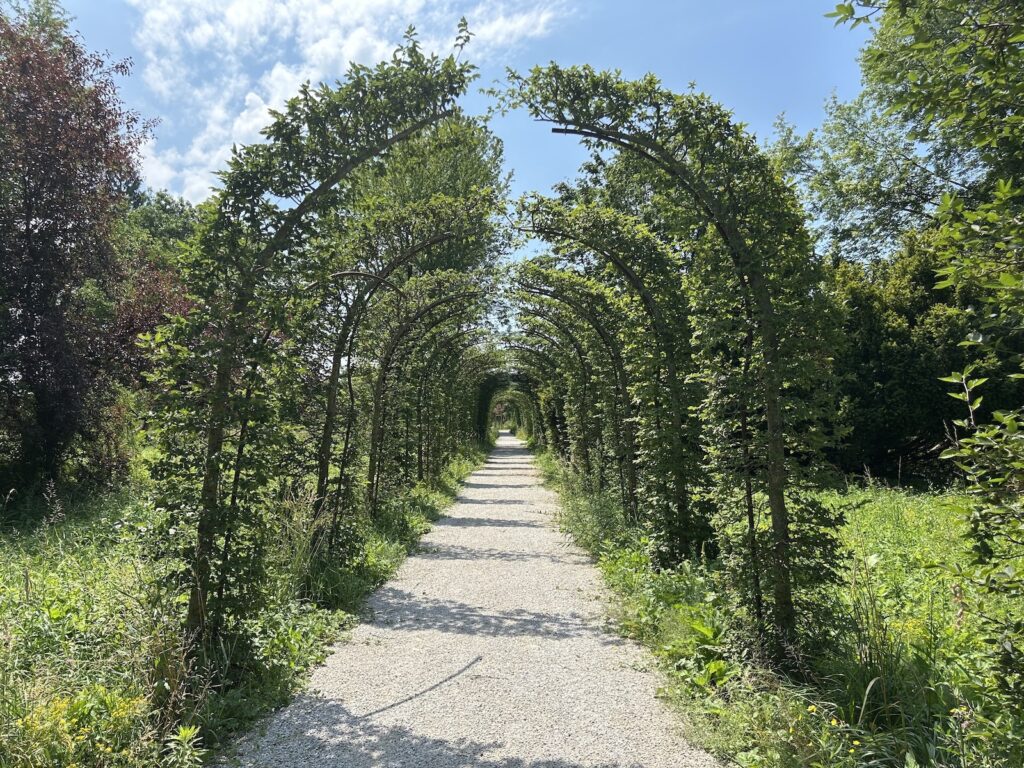
What impressed me most was not any single feature, but the ambition behind the project. Opeka is not trying to become a theme park or an outdoor museum frozen in time. Instead, the vision is broader. A sensory garden, educational facilities, family attractions, restored heritage buildings and carefully preserved landscapes all form part of a larger idea. Nature, education, history, tourism and local culture are being woven into the same story. The restored Gardener’s House will soon welcome visitors with exhibitions, interpretation spaces, visitor information and hospitality services. At the southern edge of the estate, an ornamental orchard and vegetable garden preserve traditional local varieties and create opportunities to showcase regional food traditions and seasonal produce.
A Place That Finally Makes Sense Again
What struck me most during this visit was not the scale of the investment or the number of new facilities. It was the feeling that Opeka finally makes sense again. For decades, the castle and arboretum seemed to exist in separate worlds: one slowly disappearing, the other quietly surviving. Today they once again feel like parts of the same story. The restored castle has a purpose. The arboretum has a future. Visitors will soon have reasons not only to stop by, but to spend an entire afternoon here. Opeka is no longer a place people talk about in the past tense.

Planning a Visit?
Location
Opeka Arboretum is located in Vinica, Varaždin County, northern Croatia.
Getting there
The arboretum is around 10 kilometres from Varaždin and approximately 85 kilometres from Zagreb. By car, the journey takes about 15 minutes from Varaždin and a little over an hour from the Croatian capital.
Size
More than 50 hectares of historic parkland.
Walking trails
Nearly 10 kilometres of landscaped paths connecting the arboretum’s main attractions.
Highlights
Opeka Castle and its panoramic terrace
Croatia’s oldest and largest arboretum
Historic landscape park created by the Bombelles family
Lake with island and walking paths
Woodland trails and a 19th-century icehouse
Natural green chamber formed by mature thuja trees
Sensory garden
Eco-playground with insect-inspired climbing structures
Ornamental orchard and vegetable garden
Visitor centre in the restored Gardener’s House
Open-air venue for concerts and cultural events
Who is it for?
Families, nature lovers, photographers, walkers, garden enthusiasts, history buffs and anyone looking for a rewarding day trip in northern Croatia.
Good to know
At the time of our visit, final works were still being completed ahead of the official opening. Visitors should check current opening information before planning their trip.



This content was created in collaboration with the Varaždin County Tourist Board and prepared in accordance with the highest professional standards of the Gourmet Nomad blog.
