When people think of Croatia, they usually picture the Adriatic coast. Ancient stone towns, turquoise coves, seafood by the sea and long summer evenings on a terrace overlooking the water. I love all of that too. But some of my favourite travel memories in Croatia come from places nowhere near the coast. Places where cows have names. Where breakfast lasts two-three hours. Where wine tastings turn into conversations, and where people still make things with their own hands. That is exactly what I found during three days in Bilogora, a gently rolling region in central Croatia that many international travellers have never heard of. I arrived expecting good food. I left thinking about the people.

A breakfast worth travelling for
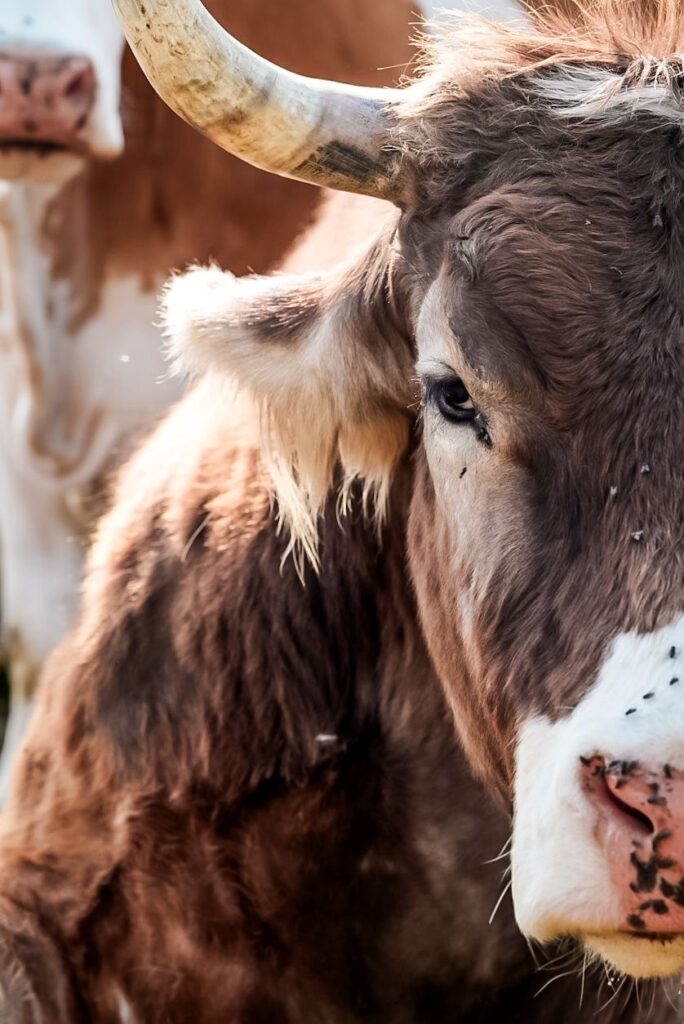
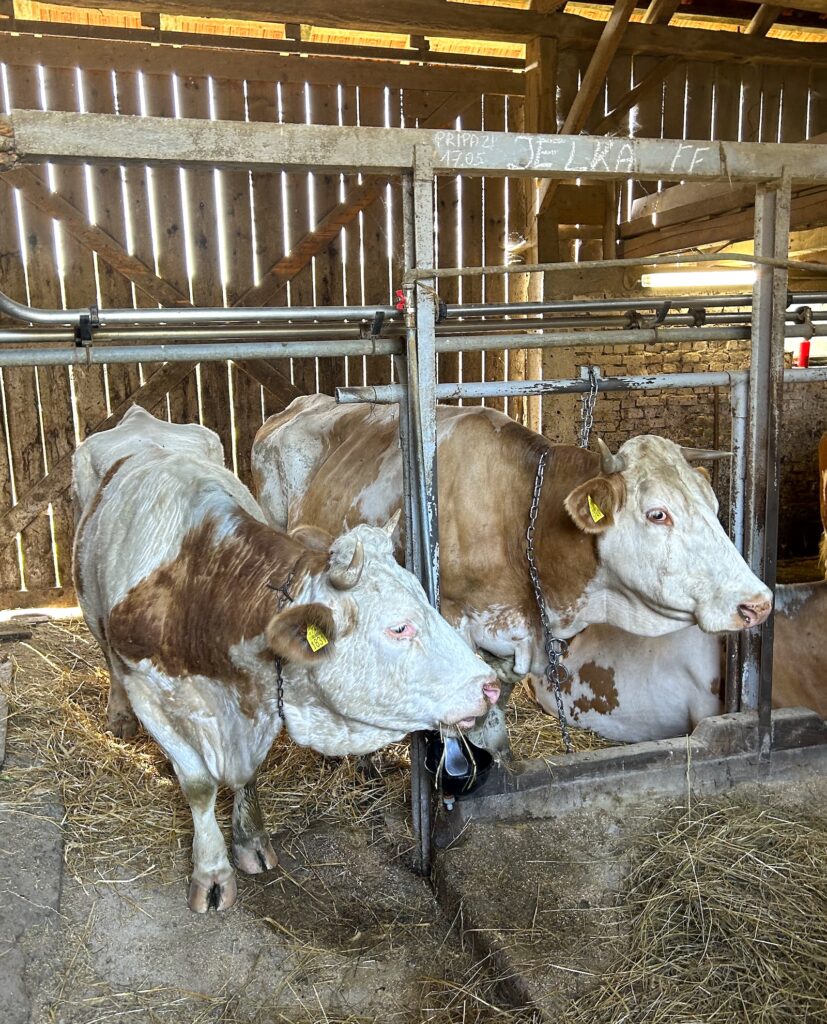
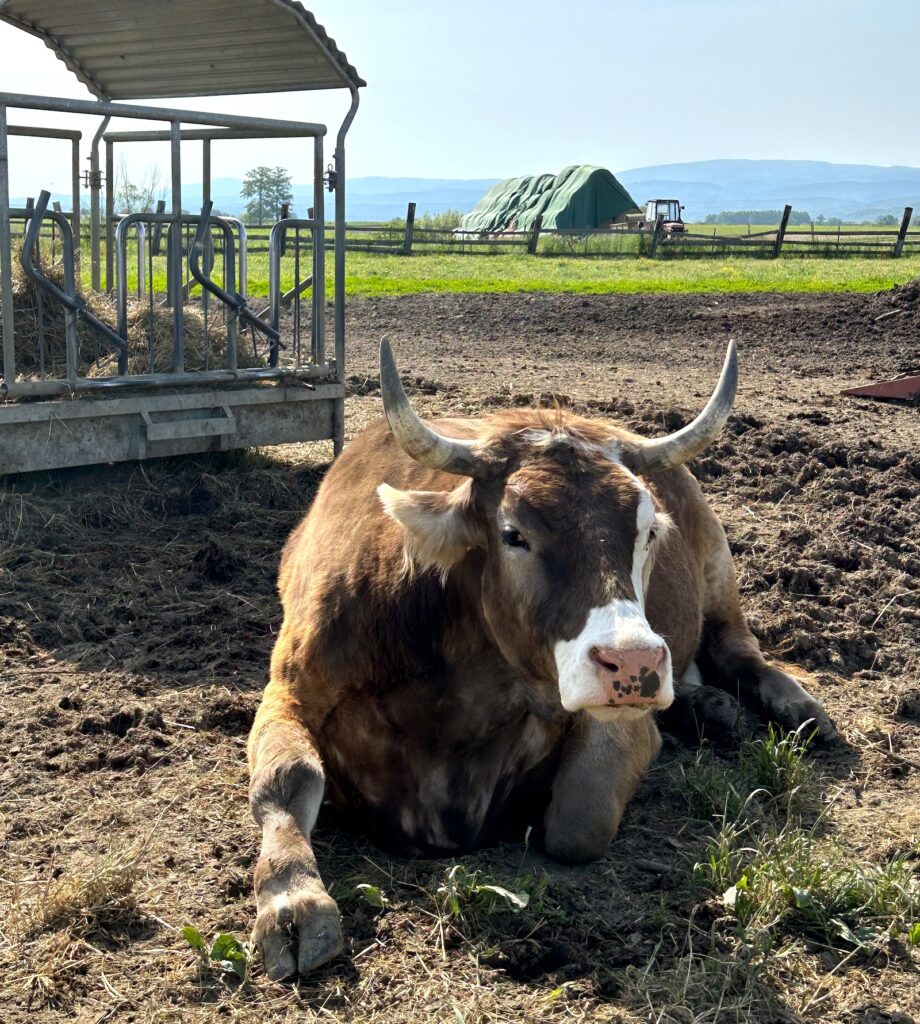
Our first morning began at the Farm OPG Adela Jareš, a family-run dairy farm and cheese producer in the village of Donji Sređani near Daruvar. Before we even sat down for breakfast, curiosity got the better of us. We wandered around the farm, met the cows grazing peacefully in the fields and learned that every single one of them has a name. The animals aren’t treated like production units here. They are part of the family. The undisputed star of the farm, however, is a magnificent bull Buk weighing almost one tonne. He spends his days stretched out in the grass, calmly accepting visitors and the occasional head scratch. Judging by his attitude, he is fully aware of his celebrity status.
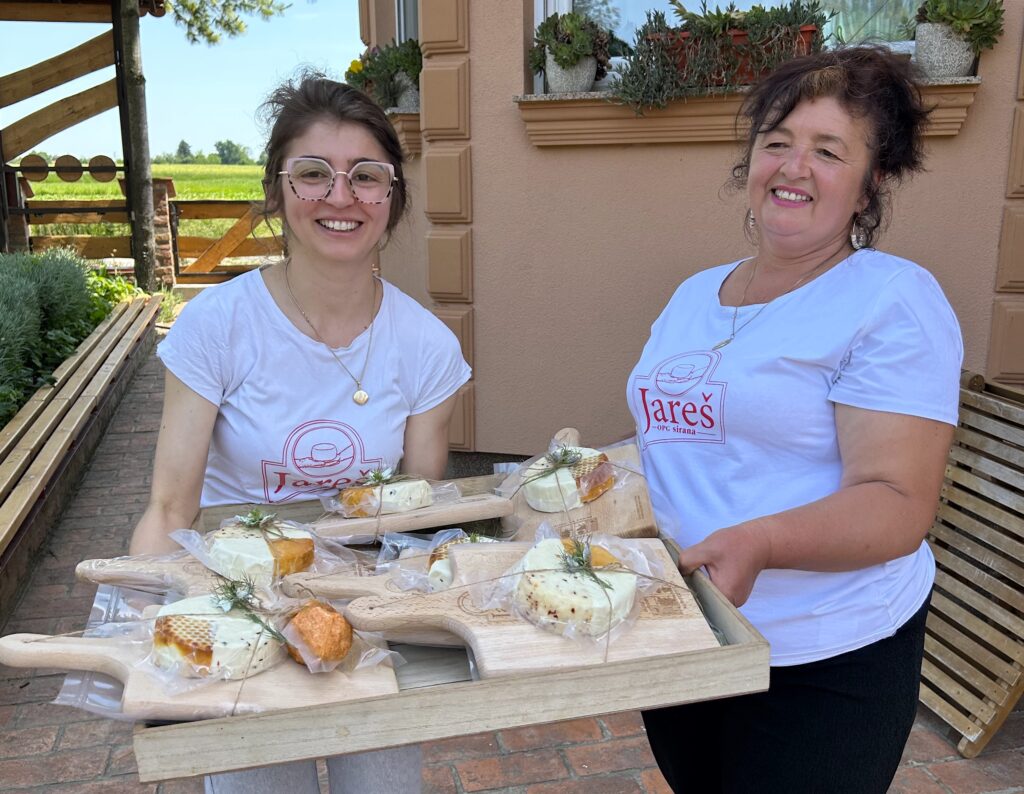
What struck me most wasn’t the size of the bull or the award-winning cheese. It was the affection. The genuine care for the animals, the land and the work that goes into every product made here. Adela and her daughter Marta welcomed us as if we were old friends. The breakfast table quickly filled with homemade cheese, fresh milk, pastries, fruit from their orchard and traditional Croatian specialities. Then came the cakes.
Toothless cat, big bull and prgice
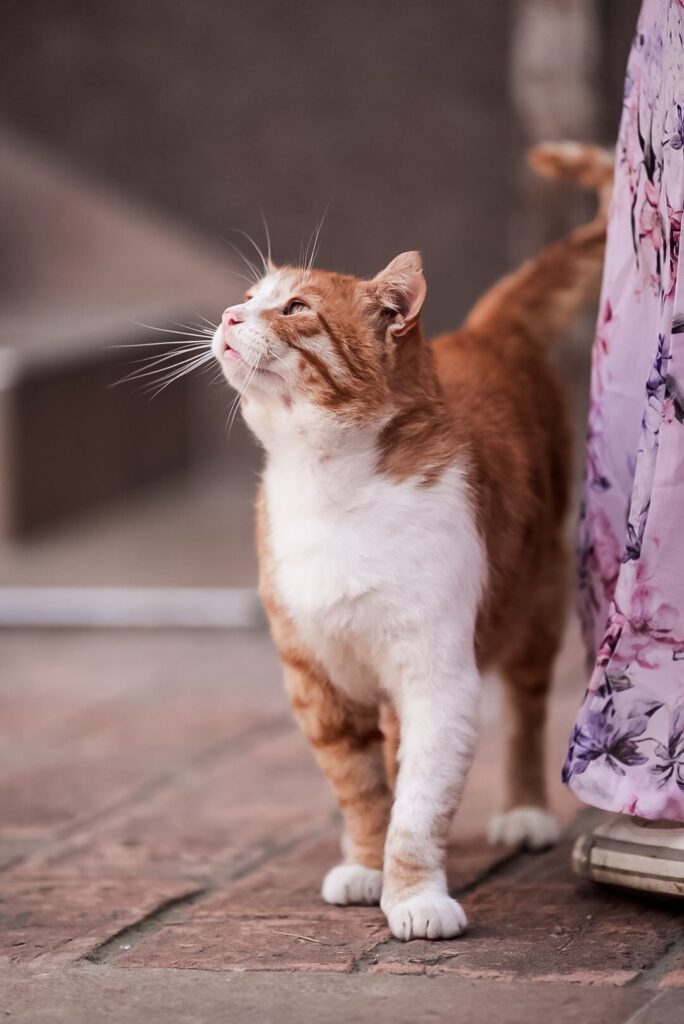
Because apparently running a dairy farm, producing award-winning cheeses and hosting guests isn’t enough, Adela somehow also finds time to write children’s books. One of them features a toothless cat named Bezubi Mačak (“The Toothless Cat”), who, naturally, also lives on the farm and graciously accepted our attention. Marta, meanwhile, studied economics before deciding to return home and dedicate herself to the family business. Listening to her talk about new ideas, future plans and everyday life on the farm, it became clear that this place is constantly evolving while staying true to its roots.
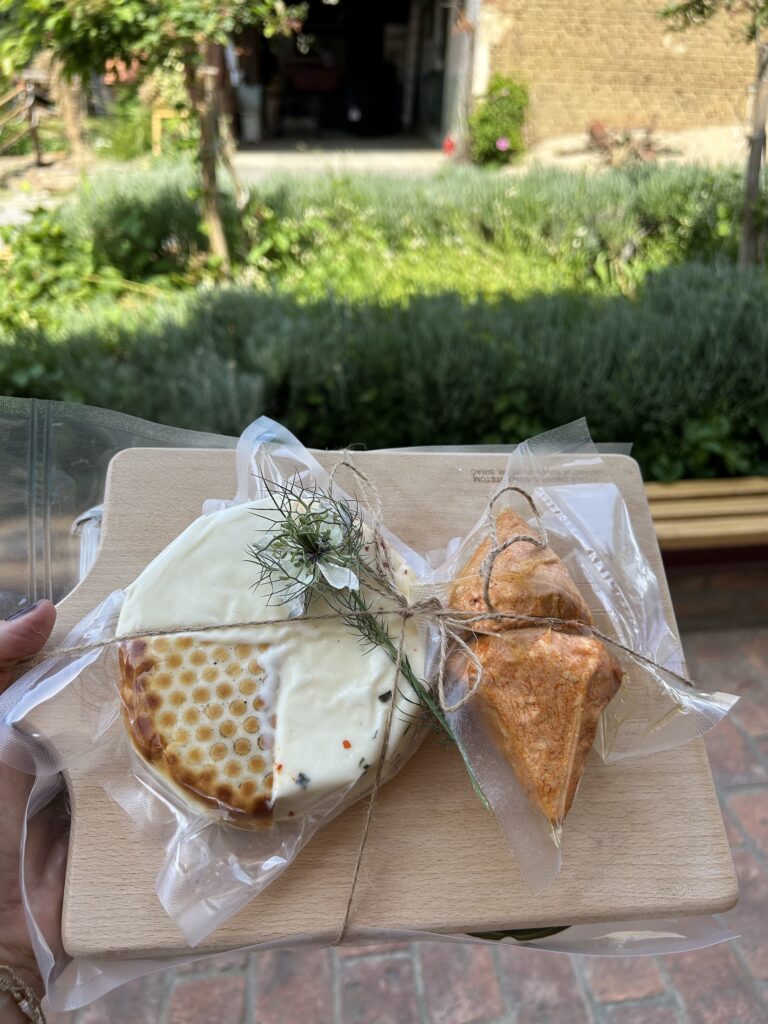
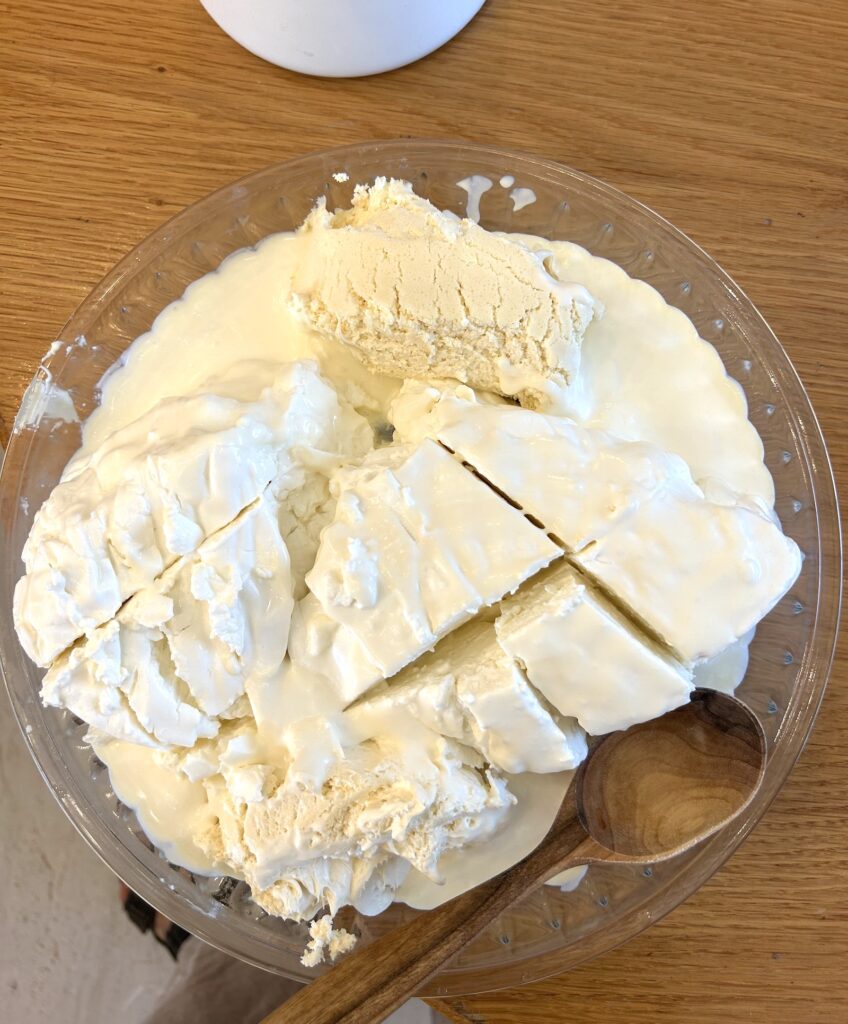
The family also offers accommodation directly above the cheese dairy, allowing guests to wake up overlooking the farm and experience rural Croatian life from the inside rather than as spectators. Their award-winning cheeses include Škripavac, a beloved fresh cheese known for its distinctive squeaky texture, and Koprivko, Croatia’s first cheese made with nettles. But if you ask me, the real hidden treasure is something much simpler. Prgica. A small traditional cheese that has quietly disappeared from many Croatian tables. As someone who never misses an opportunity to try prgica, I can honestly say these were among the best I have ever tasted. If there is one cheese that deserves a comeback, this is it.
Bilogora in a jar
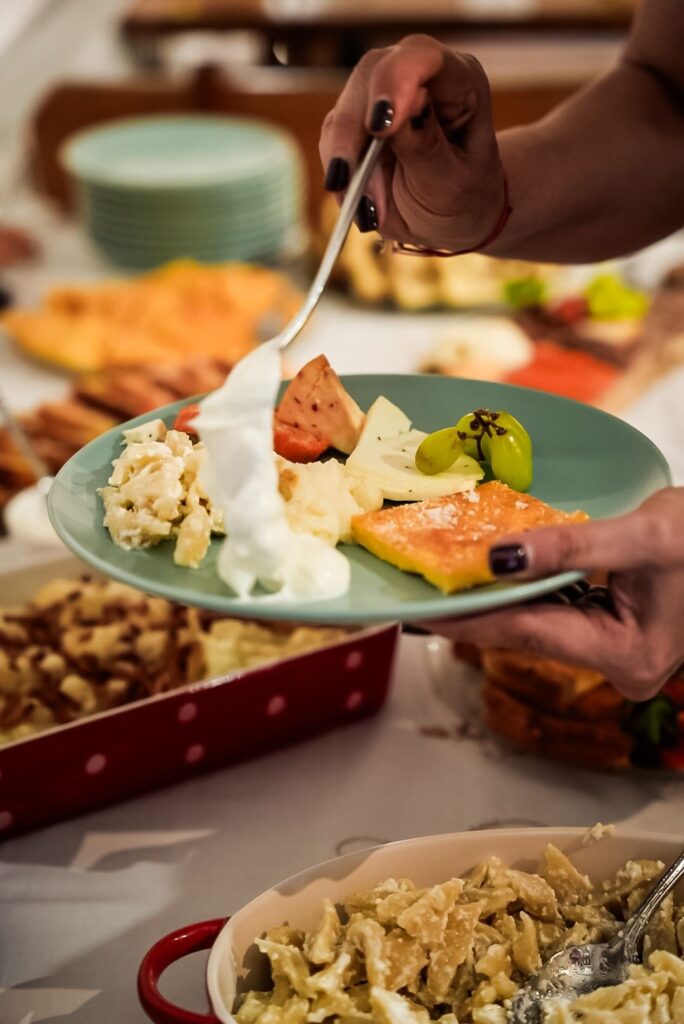
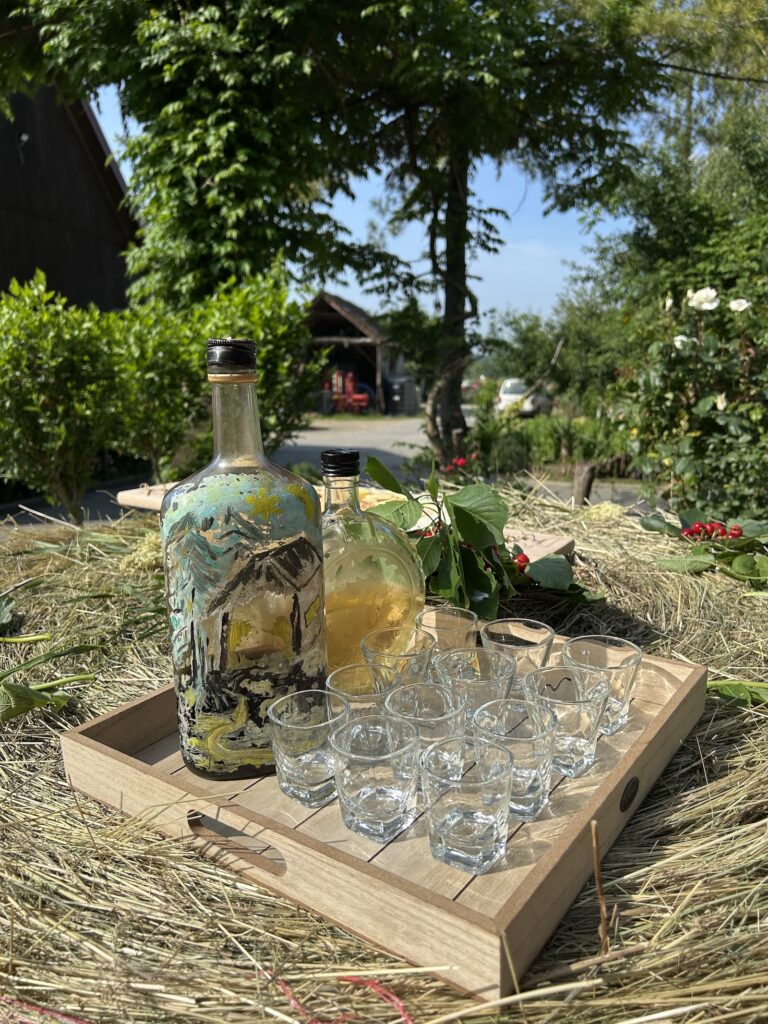
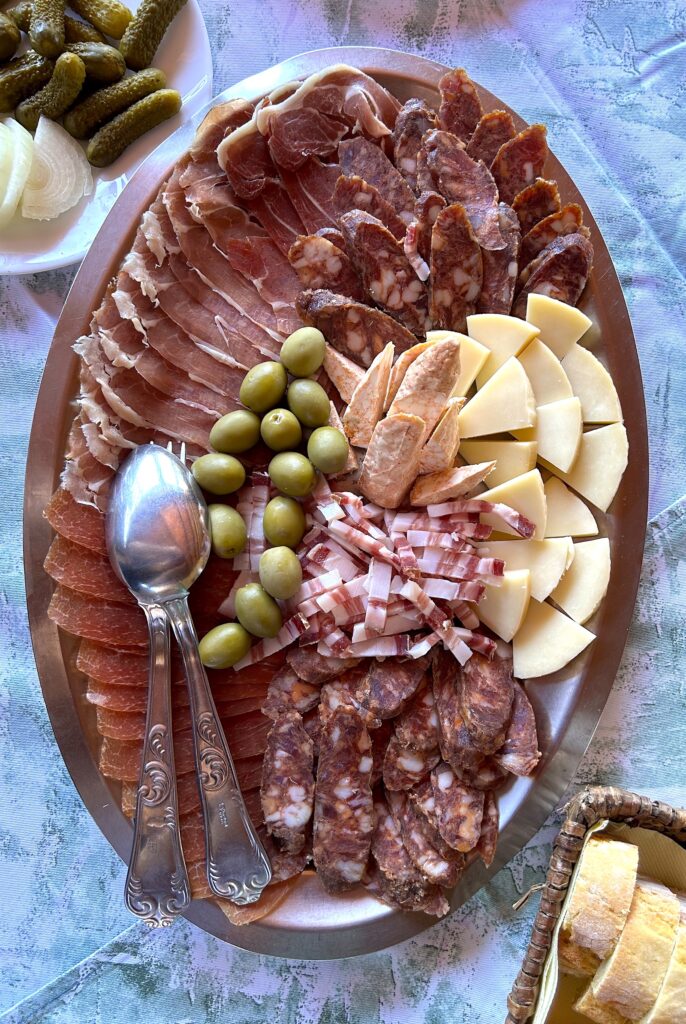
The next morning brought us to another family story. Farm OPG Bačak, located in Veliko Trojstvo near Bjelovar, specialises in growing and processing fruit and vegetables, with a particular passion for pumpkins. What sounds simple quickly becomes surprisingly creative. Butternut and Hokkaido pumpkins are transformed into bread, biscuits, jams and preserves. Shelves are filled with syrups, pickled vegetables and homemade spreads. Breakfast here was every bit as generous as the previous day. Fresh cheese and cream, cured meats, traditional cornmeal dishes, homemade jams and enough food to fuel a full day of work in the field or cycling through Bilogora’s hills that followed. I became slightly obsessed with their pickled pattypan squash and cucumber slices with chilli peppers. Needless to say, several jars came home with me. The tasting room, surrounded by greenery and large outdoor terraces, feels more like someone’s garden than a business. And perhaps that is exactly why it works. Nothing here feels staged.
Wine, stories and the art of staying longer than planned
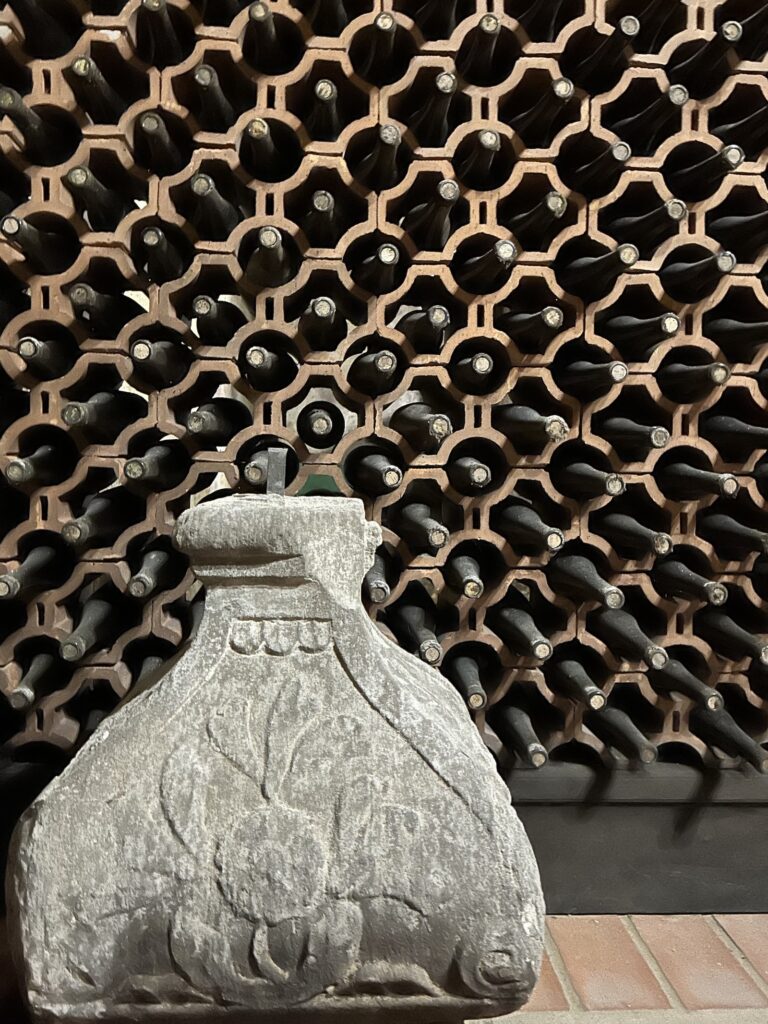
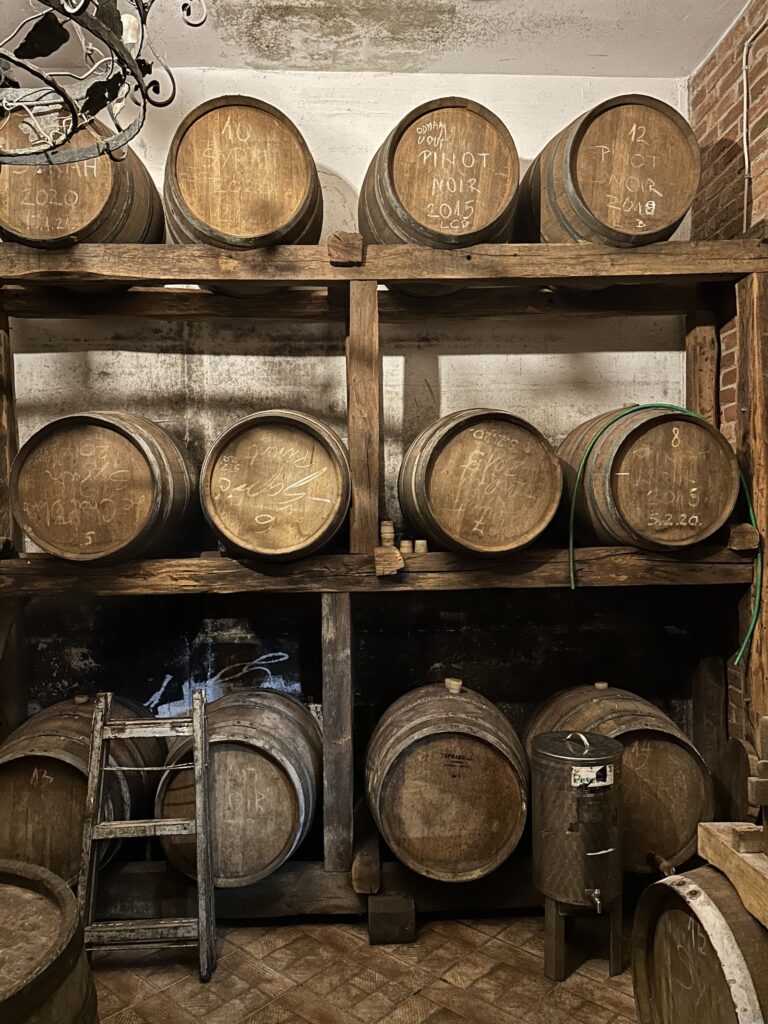
No food journey through this part of Croatia would be complete without wine. In Daruvar, we visited the impressive Janković Castle and its historic wine cellar, often referred to as the “Golden Cellar.” Here, Daruvar Winery continues a winemaking tradition dating back centuries. Graševina, Sauvignon Blanc, Rhine Riesling and their elegant sparkling wine Epoha were served alongside cheeses from the local Biogal dairy. The setting alone is worth the visit. The tasting, however, is what makes you stay.
Later, in the green hills of Bilogora, we visited Vinia, a winery, rural resort and equestrian centre rolled into one. Owner Saša Šapić has the rare gift of making wine tastings feel less like presentations and more like conversations among friends. Between stories, laughter and glasses of wine, time simply disappeared. Vinia also offers accommodation, camping facilities and horse-riding experiences, making it one of the most complete countryside escapes in the region.

Croatia’s unexpected craft beer scene
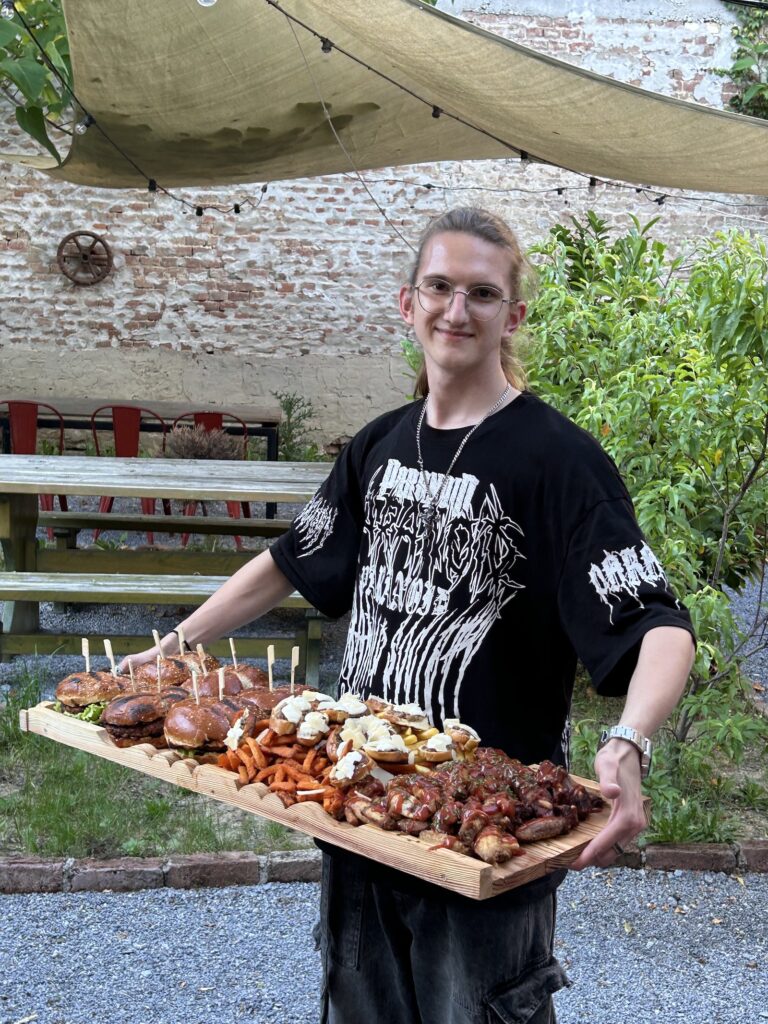
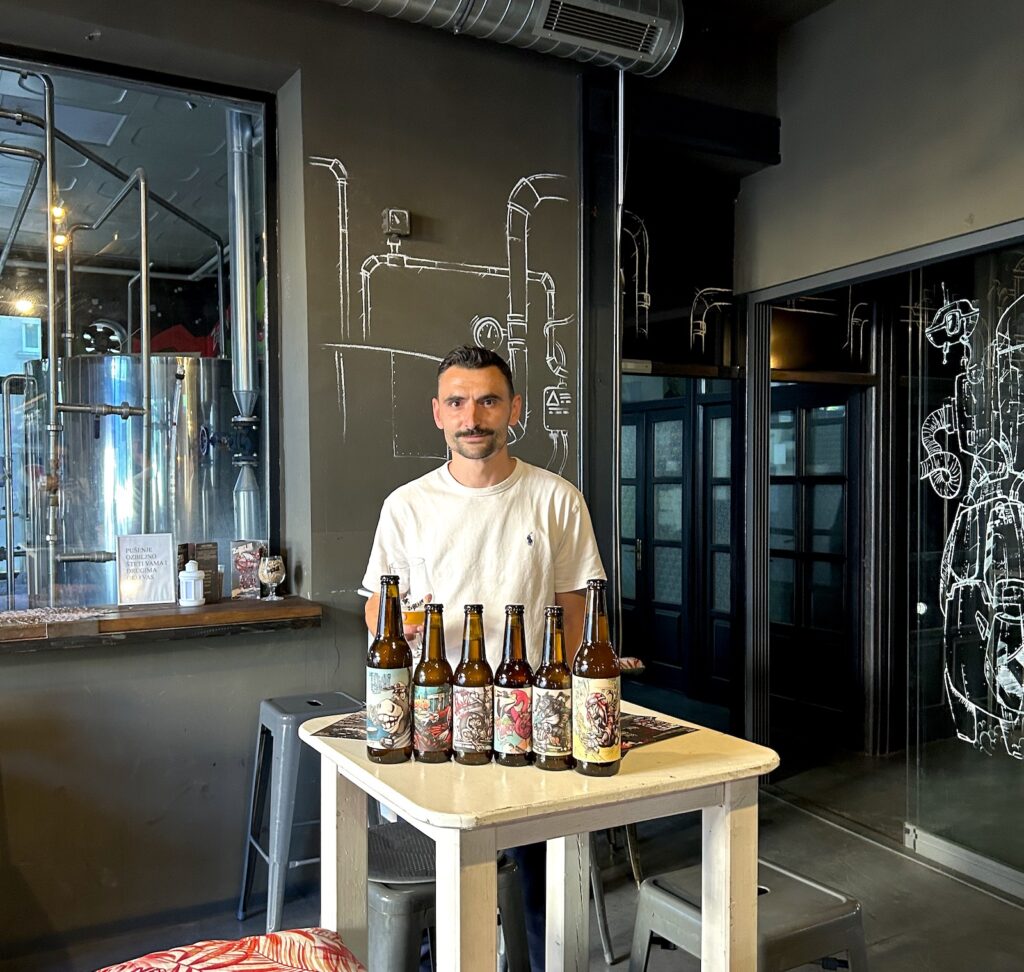
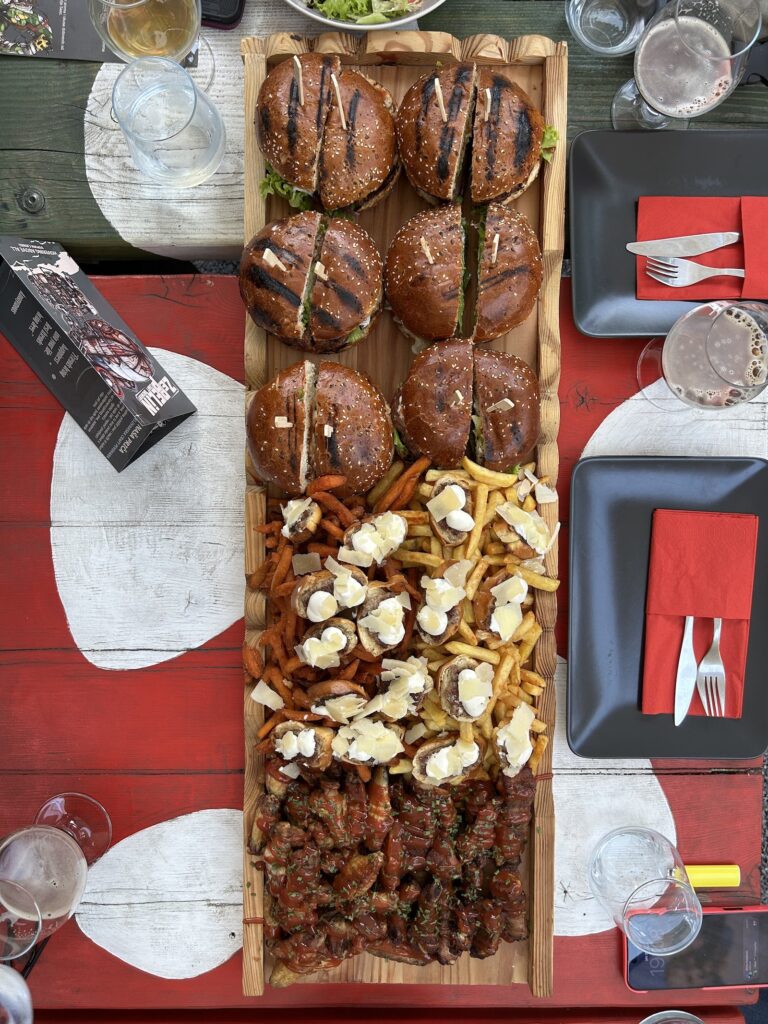
One of the biggest surprises of the trip awaited us in Bjelovar. At Zeppelin Craft Brewery and Zeppelin Pub, we discovered a thriving local beer scene paired with excellent comfort food. Burgers, ribs, chicken wings and a diverse range of craft beers turned what was supposed to be a quick dinner into a very long evening in a comfortable garden behind the brewery. The brewery has attracted additional attention in recent years thanks to the involvement of Croatian football legend Luka Modrić as a co-owner. It would be easy to dismiss this as a celebrity-backed project, but the beer speaks for itself. Even those of us in our group who are not particularly enthusiastic beer drinkers found several favourites (I do not drink beer but loved those).
The luxury of slowing down
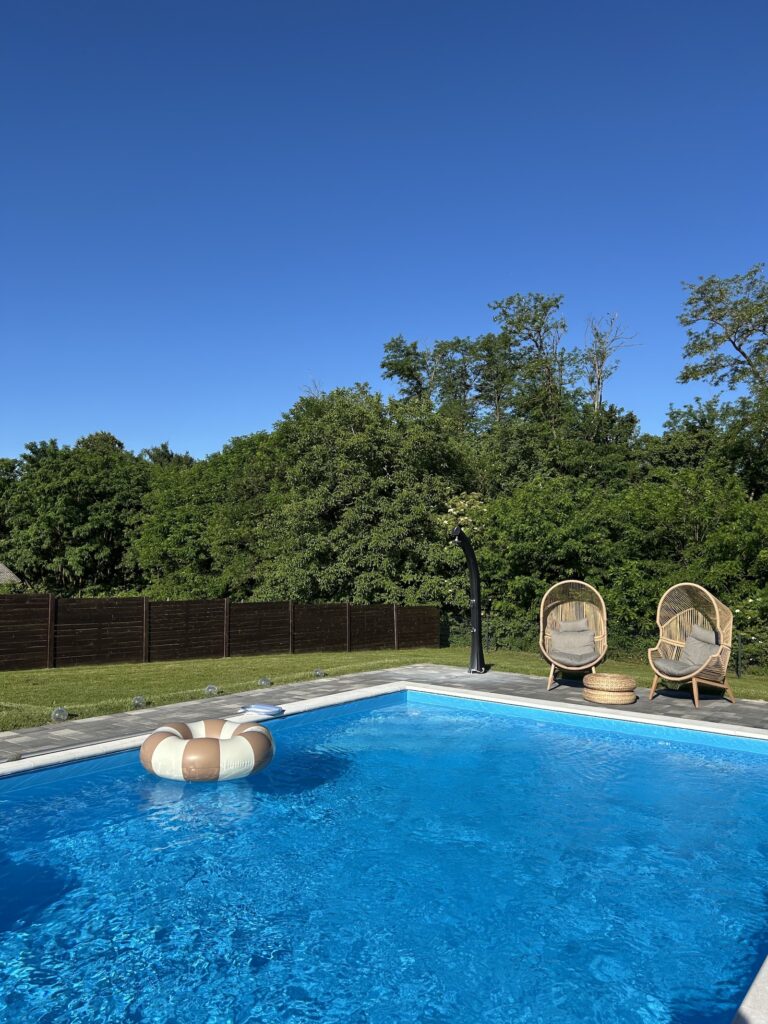
One thing this region does exceptionally well is giving you permission to slow down. Our base throughout the trip was Holiday House Draclin (Kuća za odmor Draclin), a spacious countryside retreat near Bjelovar. With a swimming pool, sauna, jacuzzi, outdoor kitchen, barbecue area and enough space for eight guests, it was the perfect place to unwind after long days of eating, drinking and exploring. At one point we even found ourselves rescuing a hedgehog that had somehow decided the swimming pool looked like a good idea. Nearby cycling routes, horse-riding opportunities and lakes provide plenty of reasons to stay active, but there is absolutely no shame in spending an afternoon by the pool doing nothing at all.
Cycling through Croatia’s green heart
Bilogora is surprisingly well suited to active travellers. The region offers more than 500 kilometres of cycling routes, including the increasingly popular BILOgravel and Čazmagravel trails. We spent part of our visit cycling through rolling hills, forests and quiet country roads, stopping occasionally for views, conversations and photographs. One unexpected highlight was the open-air sculpture exhibition “Svijetle pruge” (“Bright Trails”), created by students of the Academy of Fine Arts. It is the kind of place you would never discover accidentally. And that is exactly what makes it memorable. Nearby, the excursion site Vrata Bilogore and OPG Mihoci provided the perfect reward after a morning on two wheels: traditional local food served with sweeping views over the landscape.

Small cities with big stories
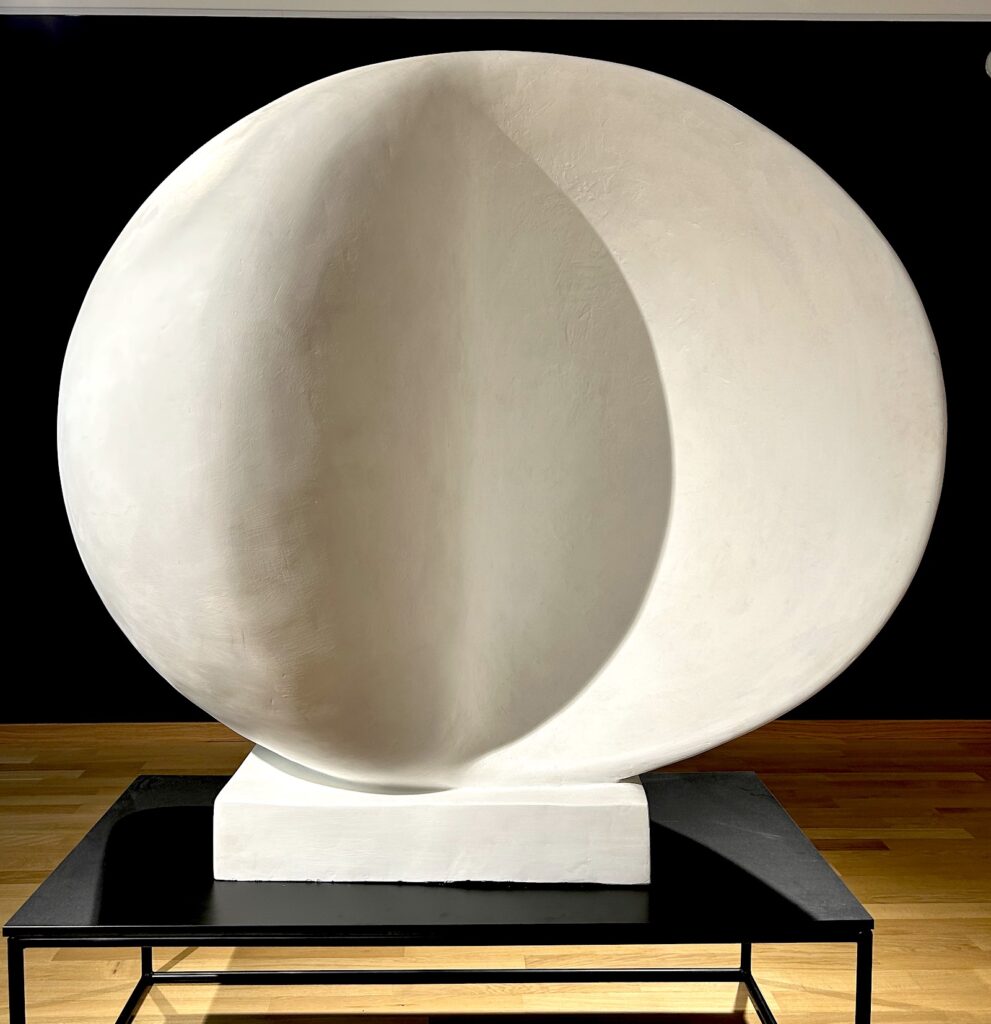
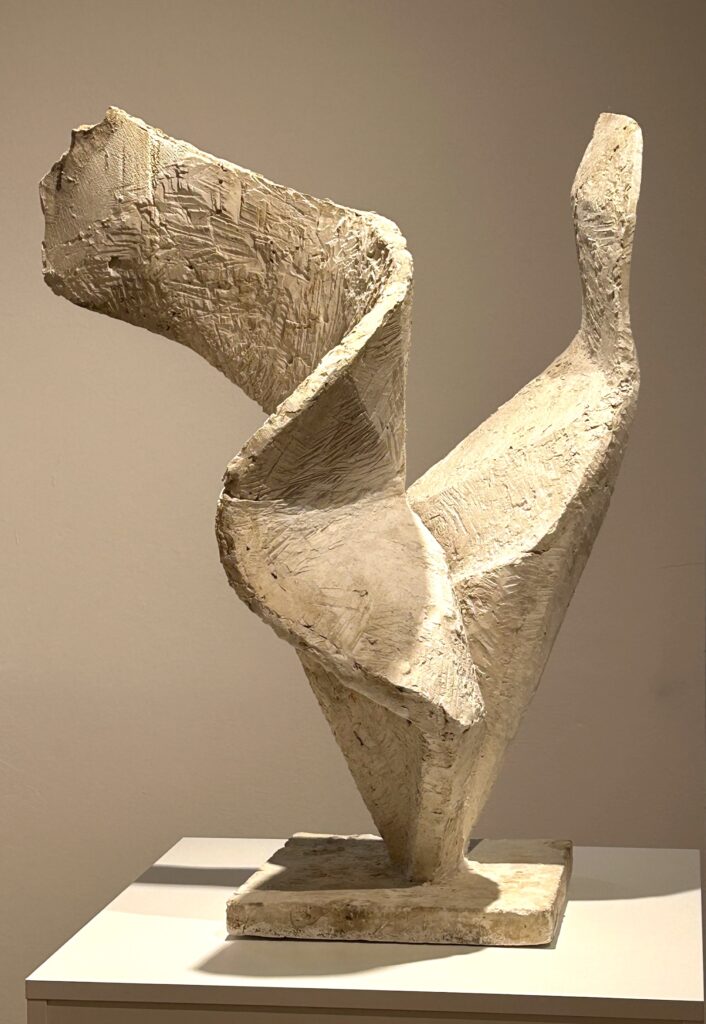
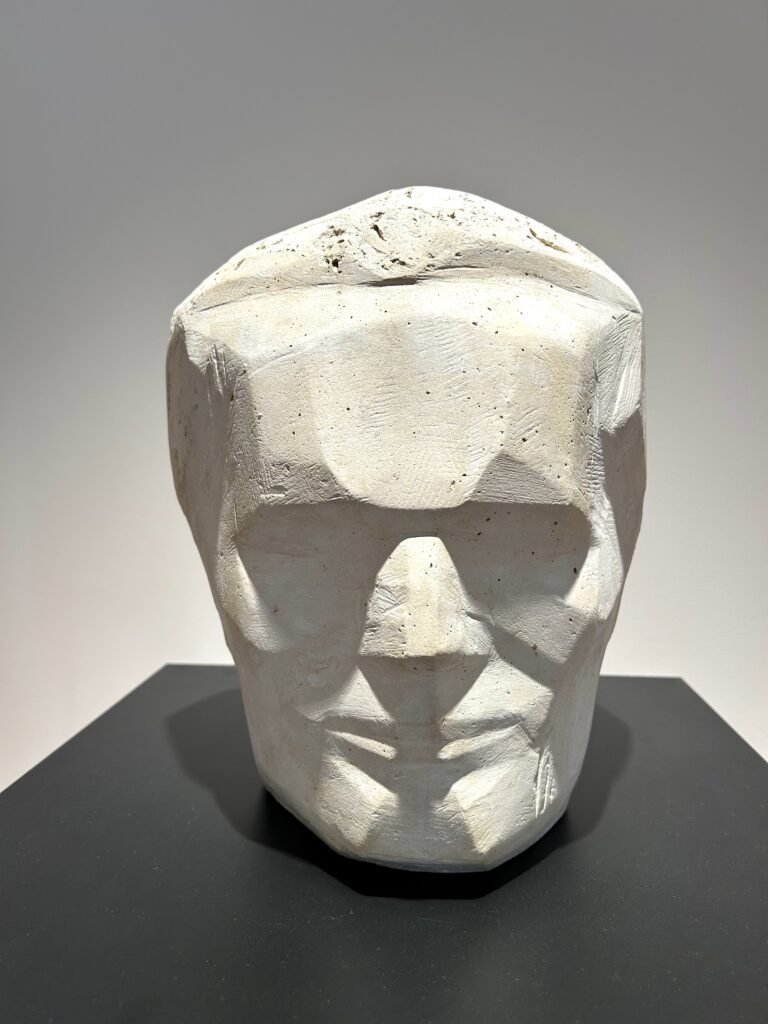
Bjelovar may not appear on many international itineraries, but it deserves far more attention than it receives. Founded in the 18th century as a military town of the Habsburg Empire, it has a relaxed atmosphere, elegant architecture and a surprisingly strong cultural scene. The recently renovated City Museum impressed us with its excellent exhibition dedicated to Vojin Bakić, one of Croatia’s most important twentieth-century sculptors. The exhibition, “Vojin Bakić: Principle of Hope,” is the largest presentation of his work in his hometown in more than sixty years.
Daruvar offers a different kind of charm. The town has been famous for its thermal springs since Roman times. In fact, the Romans built baths here nearly two thousand years ago, recognising the healing properties of the warm mineral-rich water. Today, Daruvar remains one of Croatia’s most important spa destinations, combining wellness, medical tourism and a long tradition of relaxation.
Both towns make excellent additions to a Bilogora itinerary.
More Than a Food Destination
What surprised me most was discovering that this part of Croatia is quietly evolving beyond its traditional strengths. While Bilogora remains firmly rooted in farming, food production and rural tourism, the region is also investing heavily in wellness and health tourism. Daruvar, famous for its thermal springs since Roman times, continues to build on a spa tradition that stretches back nearly two millennia. Meanwhile, near Bjelovar, the ambitious Wellovar project is taking shape around geothermal water sources and promises to bring modern thermal pools, wellness facilities and year-round recreation to the region. It feels like a natural next step. After all, few things pair better with a day of cycling, wine tasting and farm visits than an evening spent soaking in warm thermal water.
It is a story I hope to explore in more detail on a future visit.
TOP 7 REASONS TO VISIT BILOGORA
1. Meet Croatia’s Small Food Producers
Bilogora is one of the few regions where food tourism still revolves around real farms, family businesses and people who produce what they serve.
2. Taste Award-Winning Artisan Cheese
From the famous Škripavac to the unique nettle cheese Koprivko and the unforgettable traditional Prgica, Bilogora is a paradise for cheese lovers.
3. Experience Authentic Croatian Farm Life
Wake up above a cheese dairy, meet cows with names, pet a one-ton bull and enjoy breakfasts prepared by the people who run the farm.
4. Discover Croatia Beyond the Coast
If you have already visited Dubrovnik, Split or Istria, Bilogora offers a completely different side of Croatia that remains largely undiscovered by international travellers.
5. Explore More Than 500 Kilometres of Cycling Routes
Rolling hills, quiet roads, forests and gravel trails make Bilogora one of continental Croatia’s most attractive cycling regions.
6. Enjoy Excellent Wine and Craft Beer
From the historic wine cellars of Daruvar to Bilogora’s family wineries and the craft beers of Zeppelin Brewery, local drinks are a major part of the experience.
7. Combine Food, Nature and Wellness
With Daruvar’s thermal spa tradition and the upcoming Wellovar geothermal complex, the region is becoming an increasingly attractive wellness destination.
links for more info:
https://explorecroatia.eu/tag/dozivljaj-vise