Discover Zagreb with a local’s touch — from coffee culture and quirky museums to Dolac Market, špica rituals, and Michelin-star dining. Explore Croatia’s capital with insider tips.
Why Visit Zagreb
Zagreb is often overshadowed by Croatia’s glittering coastline, but this landlocked capital rewards those who linger. Compact, walkable, and full of character, it’s where Austro-Hungarian elegance meets a relaxed, creative energy.
I come from Zagreb and still visit once or twice a year to see family. Each time, I rediscover it — a new café hidden in a courtyard, a vibrant street corner, or a modern twist on a familiar flavour. The city is constantly evolving, yet it remains wonderfully true to itself: friendly, unhurried, and full of quiet charm.
Zagreb has a certain rhythm — best experienced over coffee, through its open markets, or while wandering its cobbled streets with no particular plan.
Here’s how to experience it all on a perfect weekend in Croatia’s charming capital.
Day 1: Coffee, Culture, and Cobblestones
Morning: Melt, Upper Town, and a Taste of History
Your first stop should be coffee — because in Zagreb, coffee is not just a drink; it’s a way of life. Zagrepčani (citizens of Zagreb) treat it like an art form.
Head to Melt, a cozy café on Radićeva Street, for a perfectly poured flat white and something sweet. From here, take a leisurely stroll toward the Zagreb Cathedral, an impressive Neo-Gothic landmark still being restored after the 2020 earthquake. Inside, you’ll spot chandeliers salvaged from a Las Vegas casino — an unexpected touch of sparkle in sacred surroundings.
Continue uphill into the medieval Upper Town (Gradec), home to some of Zagreb’s most iconic sights:
The Stone Gate (Kamenita vrata) – a centuries-old shrine where locals still stop to light candles and whisper prayers.
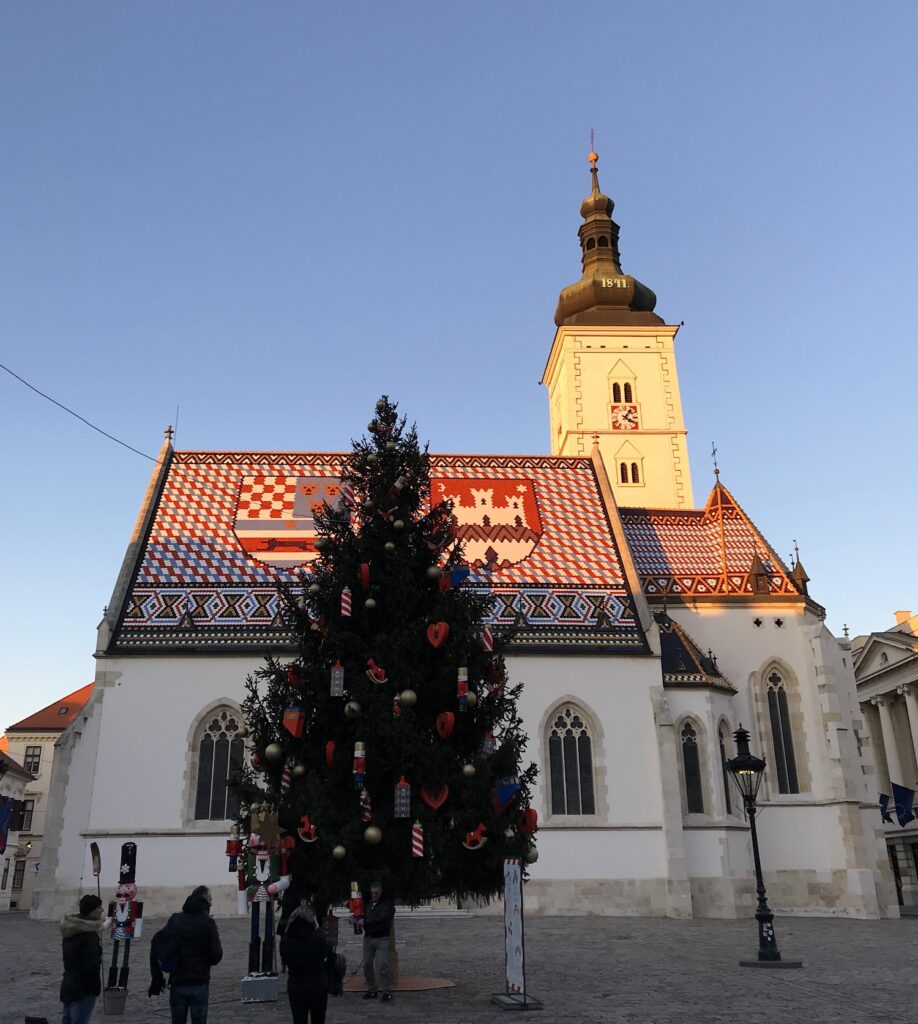
St. Mark’s Church – famous for its colorful tiled roof depicting the coats of arms of Zagreb and Croatia.
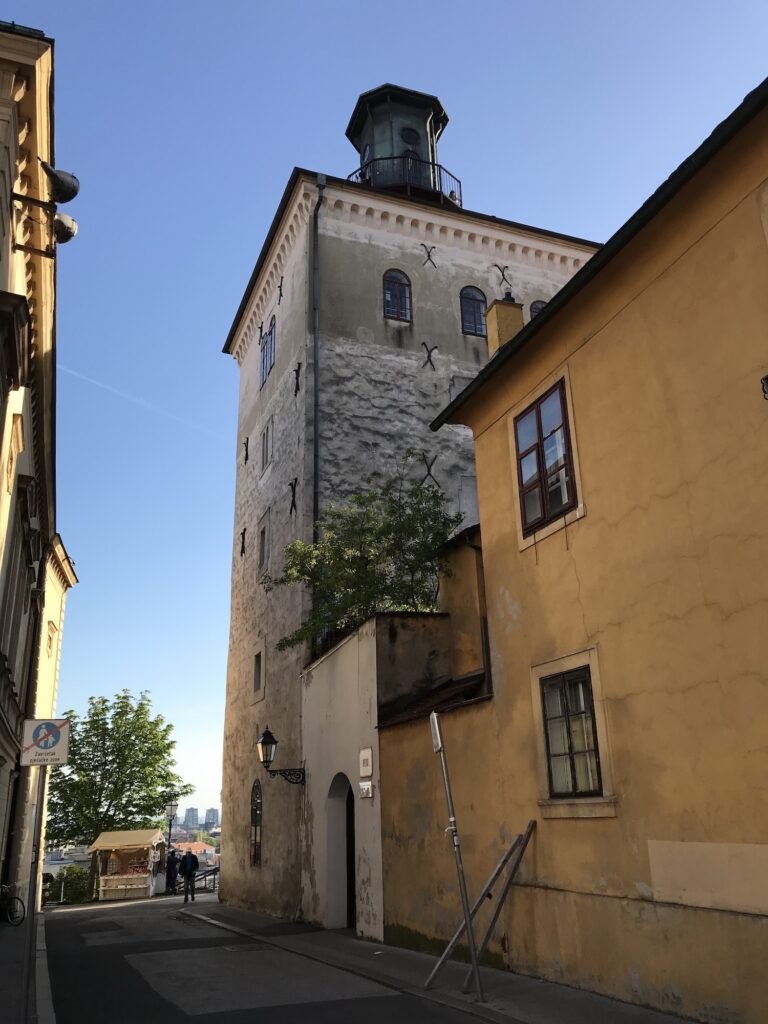
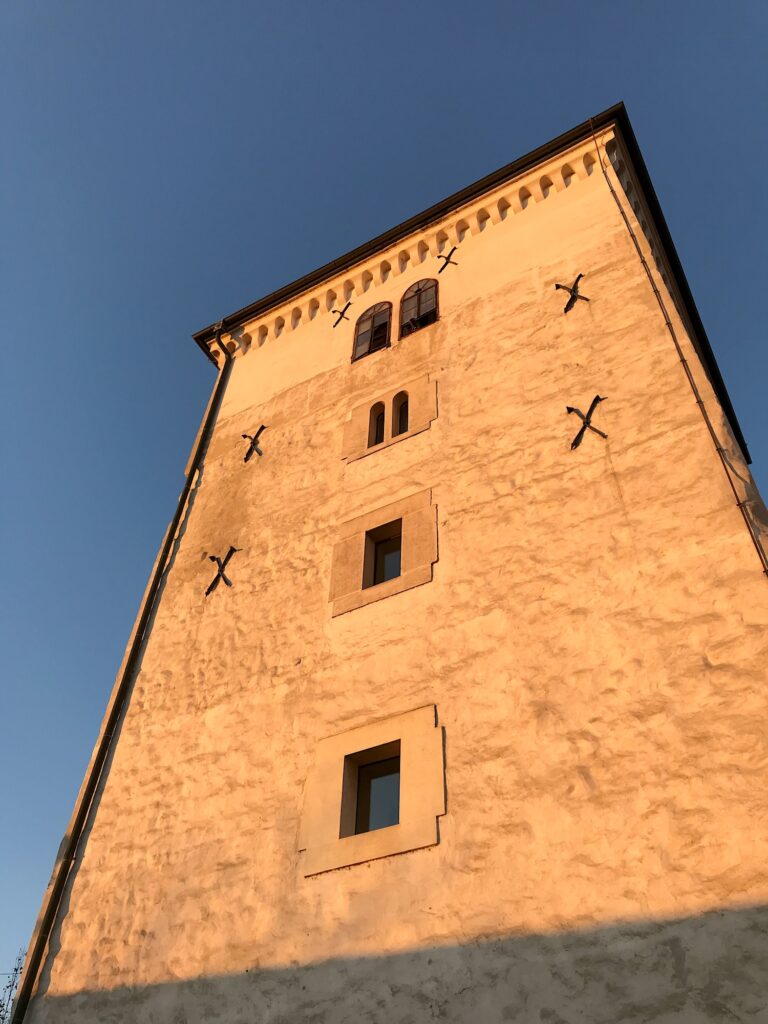
Lotrščak Tower – whose cannon still fires every day at noon, a ritual locals have followed since the 19th century.
The Witching Hour and Zagreb’s Legends
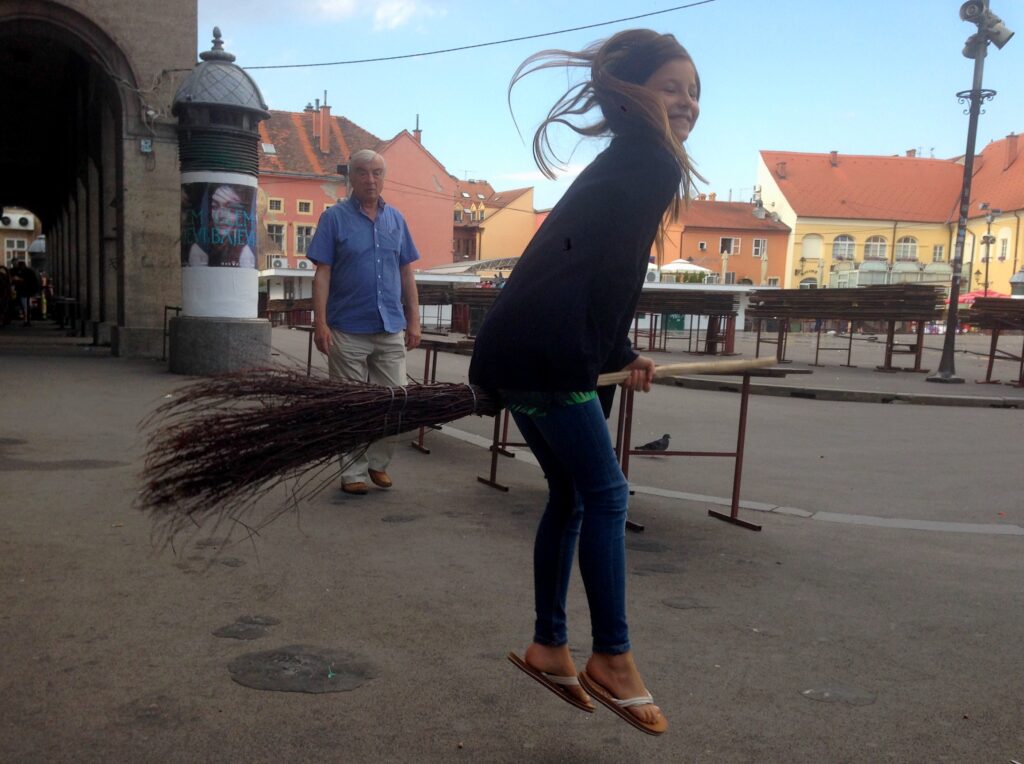
Look up at the rooftops as you wander — you might notice sharp iron spikes once believed to stop witches from landing. Between the 14th and 18th centuries, 326 women were accused of witchcraft in Zagreb, and 106 were executed before Empress Maria Theresa ended the practice in 1756.
The nearby Medvedgrad Fortress is steeped in similar legend — it’s said to have been home to the infamous “Black Queen,” a noblewoman whose ghost is still rumored to haunt the mountain.
Midday: The Funicular and Sweet Rewards
Take the Zagreb Funicular, one of the shortest in the world at just 66 meters long — a one-minute ride that’s been running since 1890. It costs only €0.60 and drops you conveniently into the Lower Town.
There, indulge at Vincek, a beloved patisserie serving Zagrebačka kremšnita, a heavenly mix of custard, chocolate, and crisp pastry layers.
Afternoon: Zrinjevac, Cvjetni Trg, and the Art of Špica
Lower Town (Donji grad) charms with its grand boulevards, parks, and Austro-Hungarian architecture — a style known as the Lenuci Horseshoe for its horseshoe-shaped green belt.
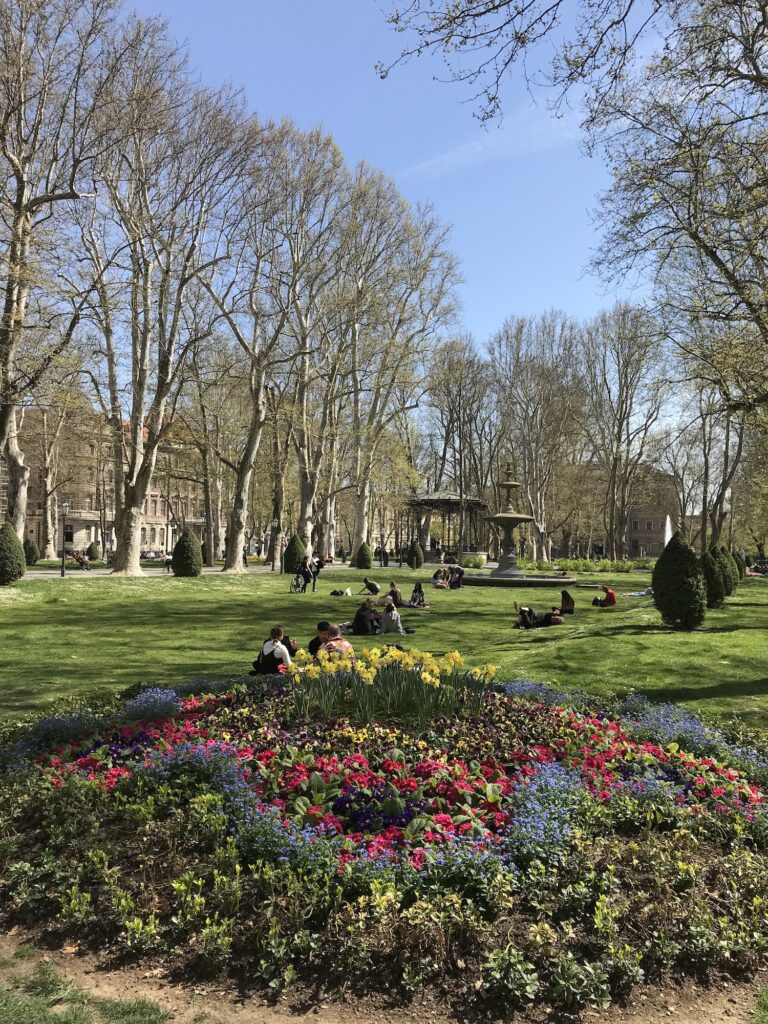
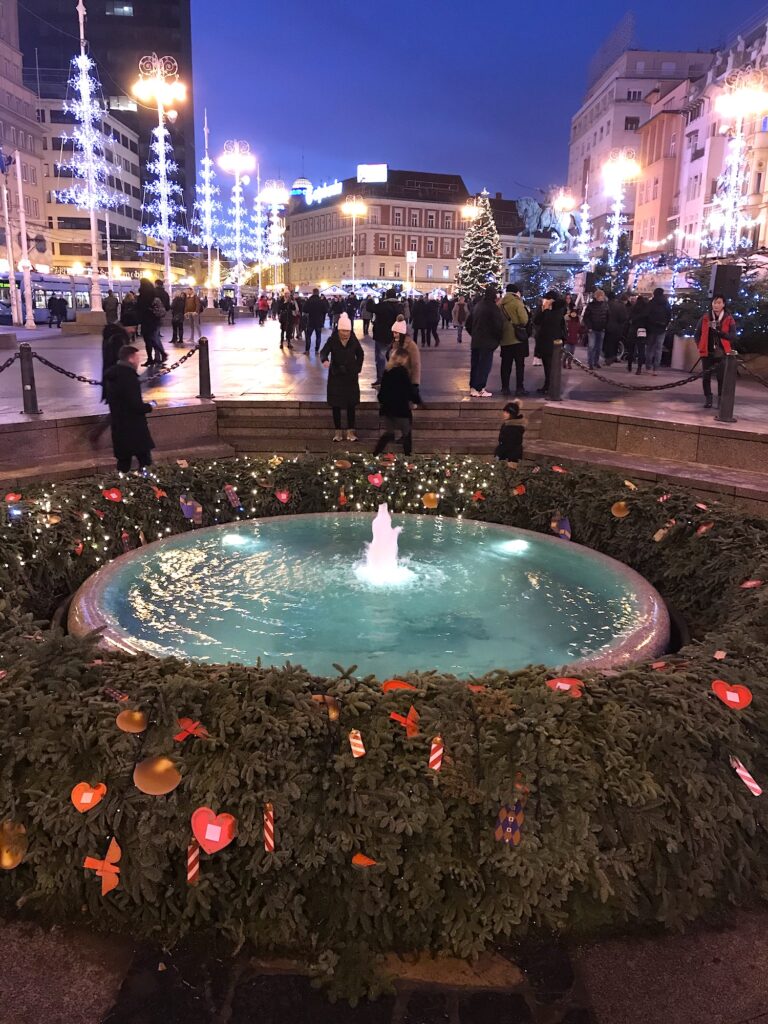
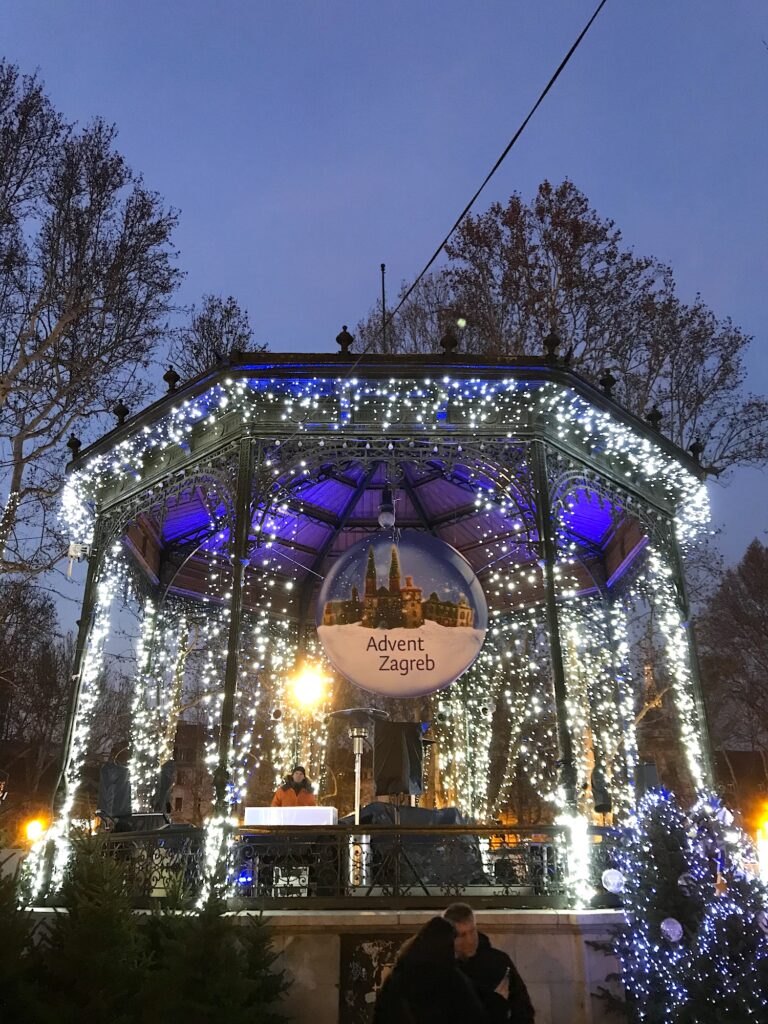
Start at Zrinjevac Park, shaded by centuries-old trees and framed by elegant fountains and a 19th-century bandstand. During Advent, it transforms into one of Europe’s prettiest Christmas markets, filled with carols, mulled wine, and fritule — tiny, rum-scented doughnuts dusted with sugar.
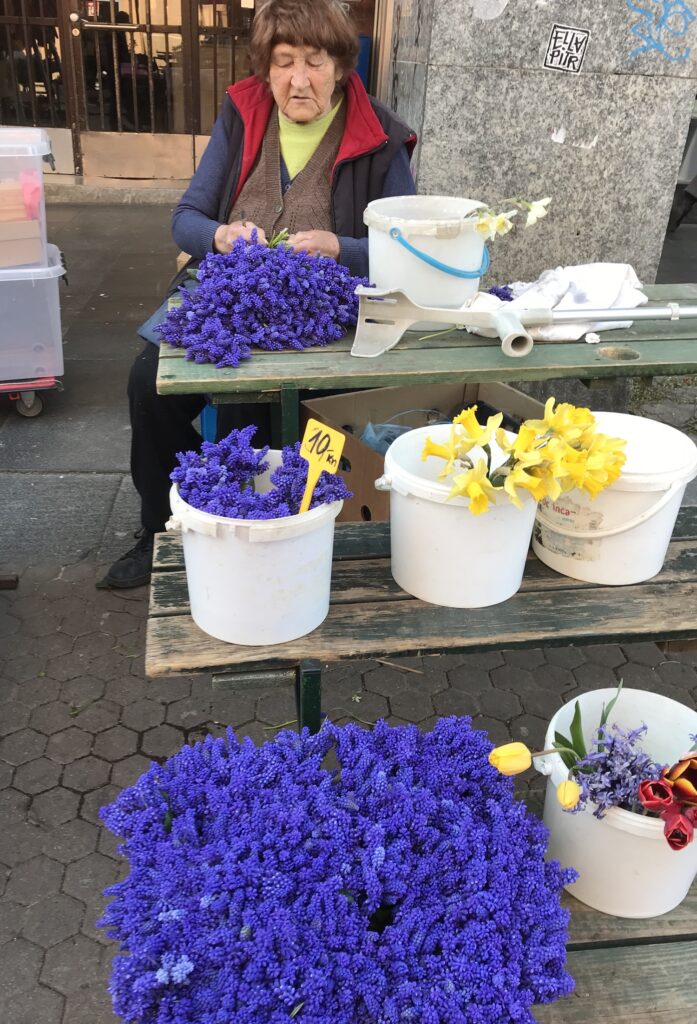
Next, head to Cvjetni trg (“Flower Square”), where café tables spill into the square beside colorful flower stalls. This is where you’ll see špica in full swing — a uniquely Zagreb ritual that happens every Saturday morning. Locals dress elegantly, meet friends, sip coffee for hours, and watch the world go by. It’s not about the coffee itself; it’s about connection, style, and unhurried joy.
For a modern coffee scene, continue to Boškovićeva Street, where cafés like Cogito and Quahwa serve some of the city’s best espresso — roasted locally, brewed beautifully, and always accompanied by conversation.
Museums and Afternoon Wanderings
When you’re ready for a dose of culture, Zagreb’s museums deliver personality and depth in equal measure.
Museum of Broken Relationships – a creative, moving collection of stories and objects from relationships that ended, now a global phenomenon with a sister museum in Los Angeles.
Museum of Naïve Art – a celebration of self-taught Croatian artists whose colorful, whimsical works reveal everyday life with sincerity and charm.
Museum of Illusions – born right here in Zagreb, it’s now a worldwide franchise offering playful, mind-bending photo ops.
(Note: The Mimara Museum — one of Zagreb’s best-known art institutions — remains closed to visitors following damage sustained in the 2020 earthquake, with extensive structural reconstruction still underway. While its galleries are not currently accessible, the museum continues to preserve and present parts of its collection through online initiatives, reflecting the city’s broader effort to restore cultural landmarks while safeguarding their long-term future. Officials have indicated that reopening is planned once restoration is complete, making its eventual return an anticipated milestone in Zagreb’s cultural recovery.)
Evening: Tkalčićeva Street and Zagreb Nights
Finish your first day on Tkalčićeva Street, one of Zagreb’s most vibrant lanes, lined with lively restaurants and bars.
Try Otto & Frank for contemporary Croatian dishes, or Medvedgrad Brewery for traditional fare paired with local craft beer. Then, take a slow walk back through the city — because in Zagreb, evenings are for lingering, not rushing.
Day 2: Markets, Green Spaces, and Fine Dining
Morning: Dolac Market
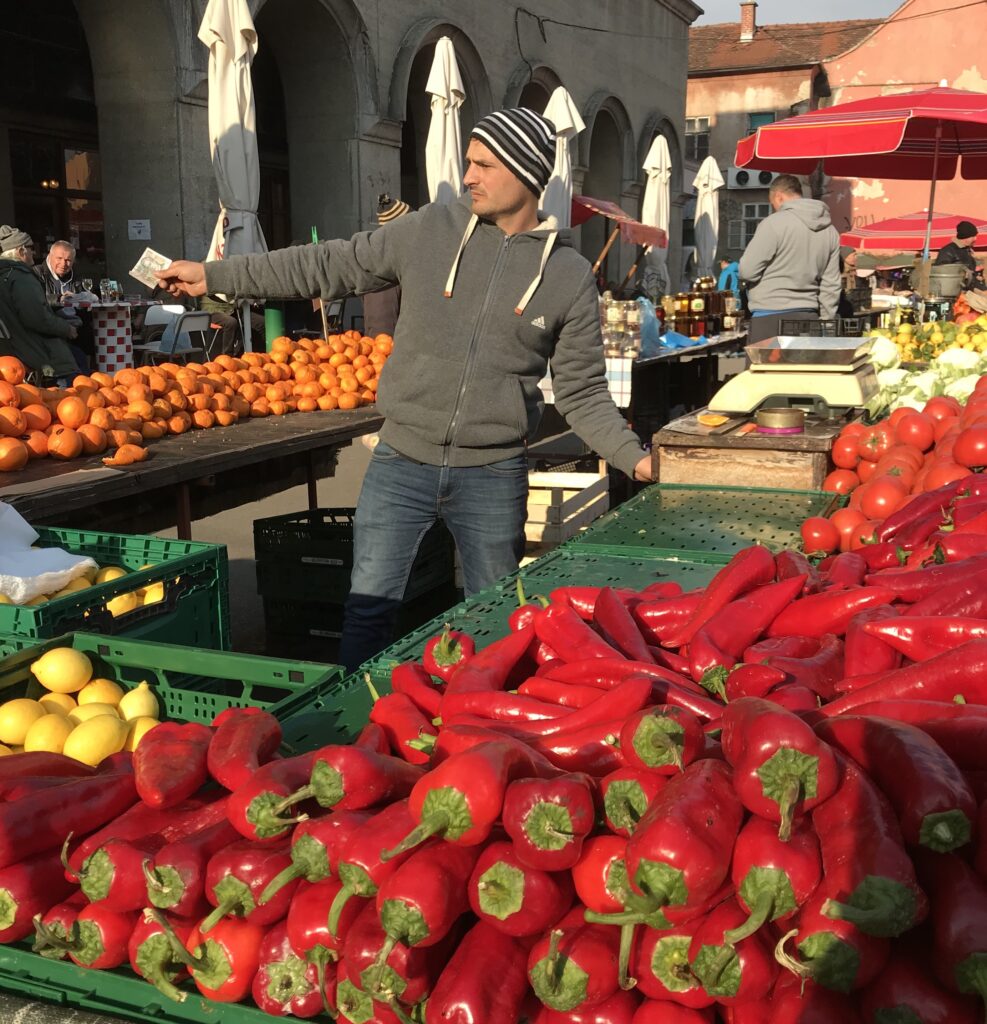
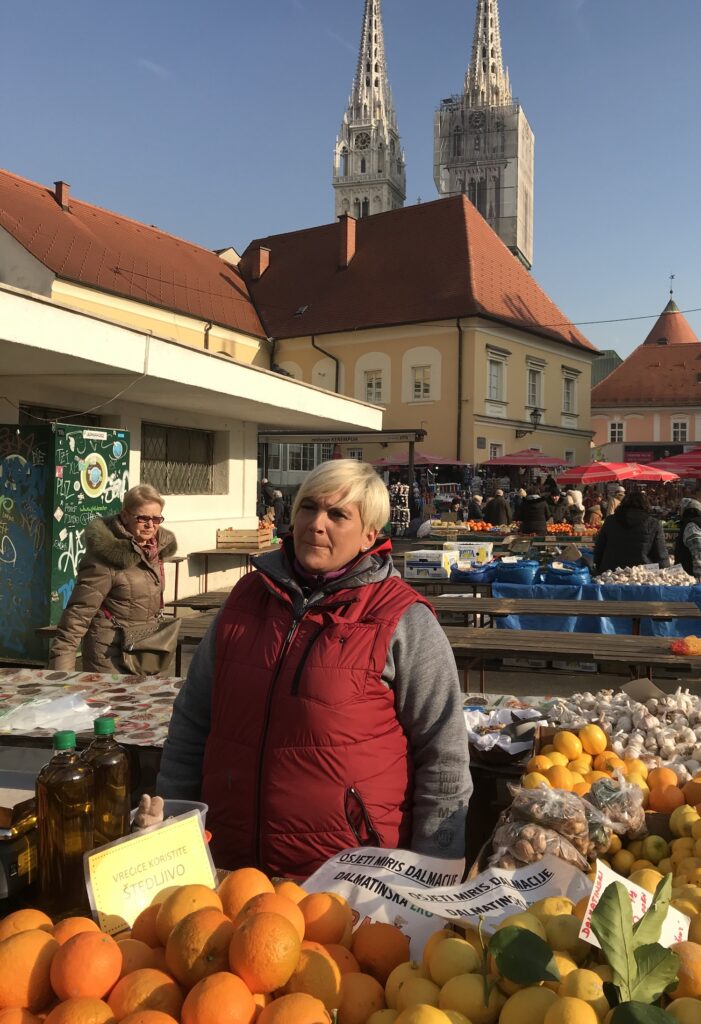
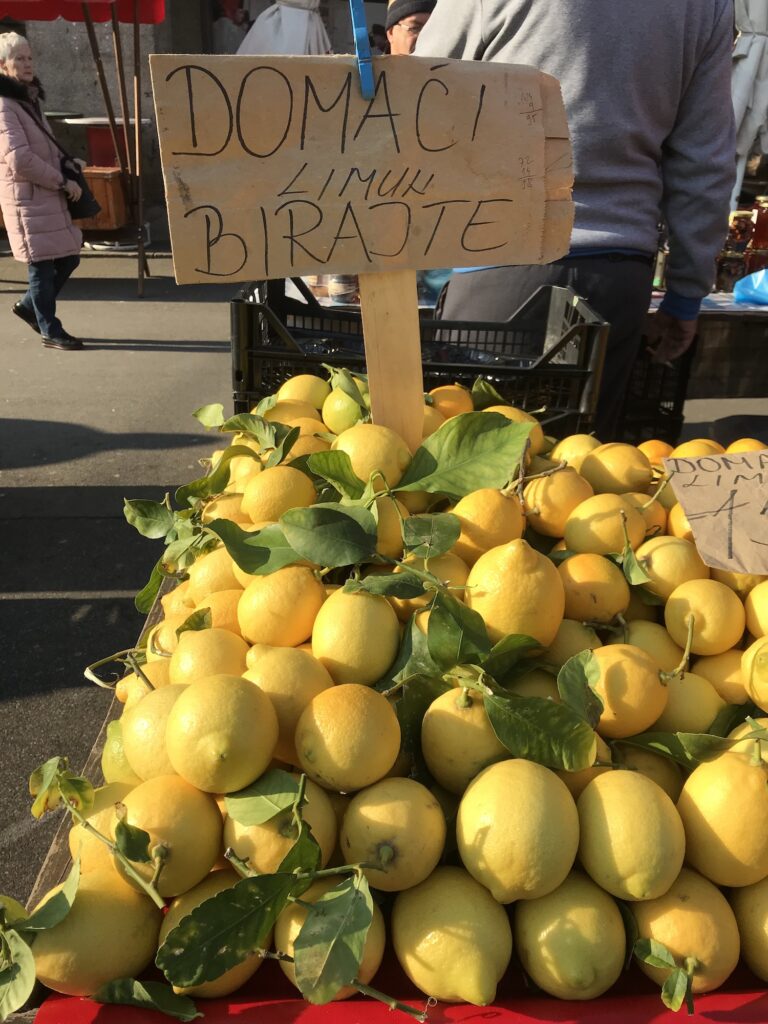
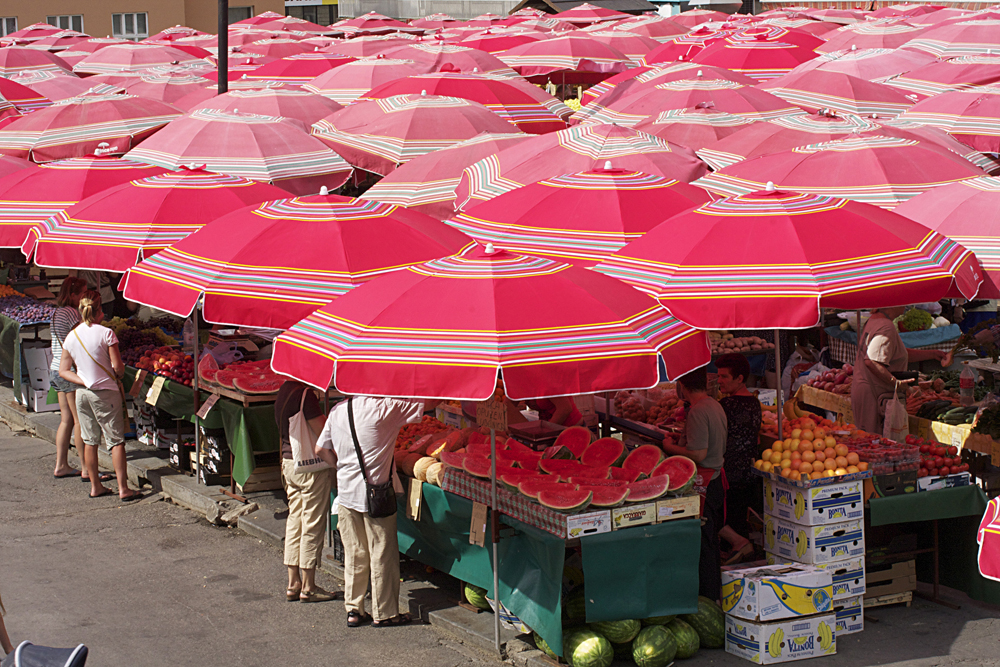
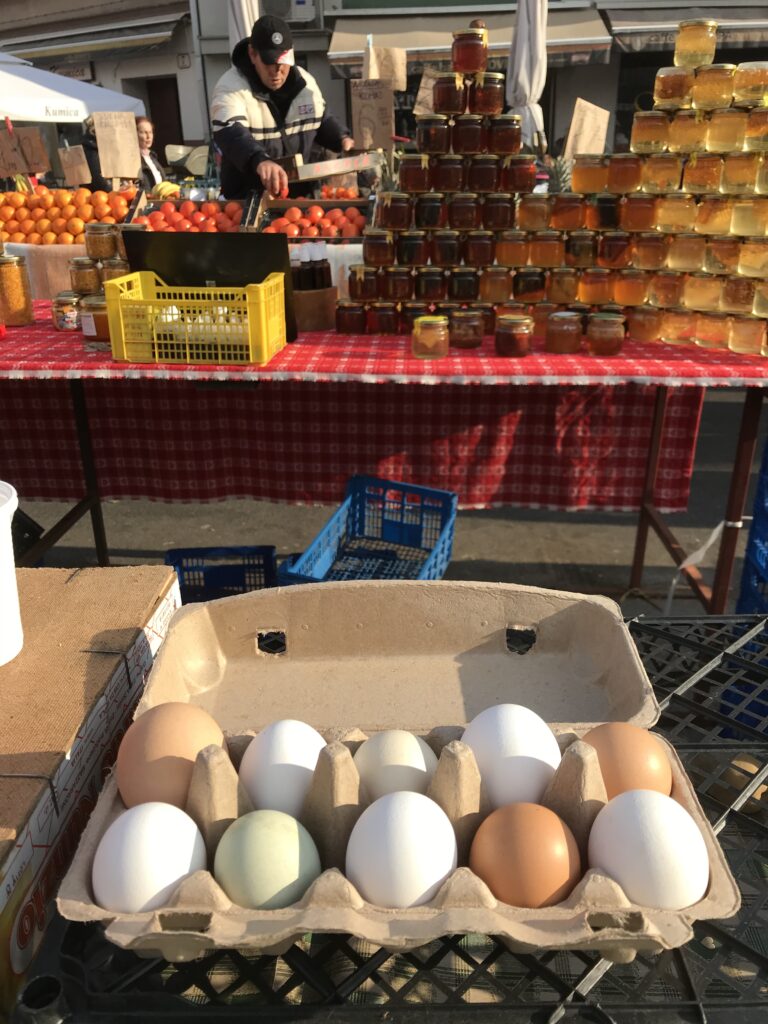
Begin the day at Korica Bakery, an artisanal favorite known for its buttery croissants and smooth espresso. Then head to Dolac Market, Zagreb’s bustling open-air farmer’s market behind the main square.
Since the 1930s, Dolac has been where Zagrepčani buy their produce from favorite kumice (market women). A bronze statue of one greets you at the entrance, symbolizing their importance in local life.
The market is divided into two parts: the upper outdoor section, filled with fruit, vegetables, flowers, and honey, and the lower indoor hall, where you’ll find fresh meat, handmade sausages, and locally produced cheeses. One of the market’s most distinctive aromas comes from the barrels of sauerkraut (kiselo zelje), fermented cabbage prepared traditionally by shredding fresh cabbage, salting it generously, and leaving it to ferment naturally for several weeks. Cabbage is also often fermented whole — the leaves are later used to make sarma, beloved cabbage rolls filled with minced meat, rice, and spices, slow-cooked in tomato sauce until tender. It’s one of Croatia’s most comforting winter dishes and a staple of family gatherings.
Grab a burek (savory pastry with cheese or meat) from one of the canteens nearby — the setting may be simple, but the food is always excellent. Sample local treats like sir i vrhnje (fresh cheese and cream), a Zagreb staple that briefly ran into EU regulation challenges due to its traditional, unpasteurized preparation — but remains beloved to this day.
Afternoon: La Štruk, Mirogoj, and Maksimir
For lunch, stop at La Štruk, where every dish celebrates štrukli — baked pastry filled with cheese and cream, the ultimate Zagreb comfort food.
Afterward, choose between two perfect afternoon escapes:
Mirogoj Cemetery – designed by architect Hermann Bollé in 1876, this is one of Europe’s most beautiful cemeteries. Its ivy-draped arcades, sculptures, and peaceful atmosphere make it a quiet, contemplative gem.
Maksimir Park – Zagreb’s largest park, laid out in the late 18th century in the English landscape style. It has five lakes, winding trails, and the charming wooden Vidikovac Pavilion. Nearby are the Zagreb Zoo and Stadion Maksimir, home to Dinamo Zagreb.
Beyond the Center: Jarun and Medvednica (Sljeme)
If you have more time or prefer to explore beyond the city center, Jarun Lake and Medvednica Mountain (Sljeme) offer a perfect local contrast.
Jarun, often called the “Zagreb Sea,” is a large recreational lake southwest of the city, built for the 1987 Summer Universiade. By day, it’s a haven for joggers, cyclists, and rowers; by night, it turns into a social hub filled with waterfront bars and clubs. It’s especially lively in summer, when open-air concerts and festivals take place along its shores.
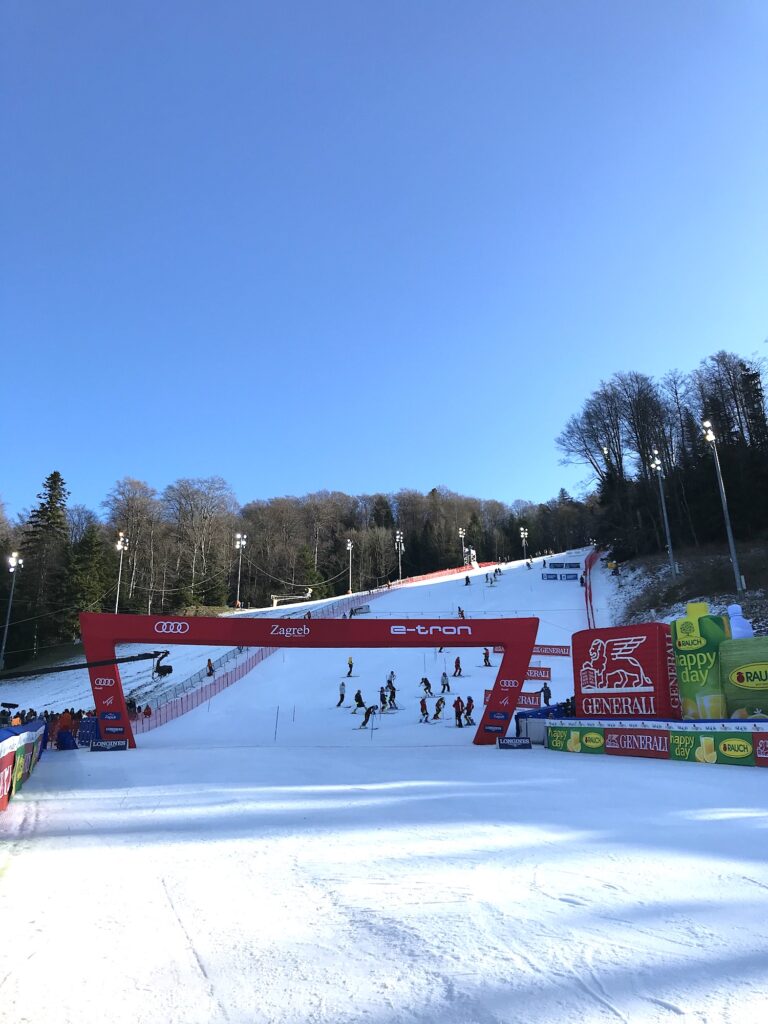
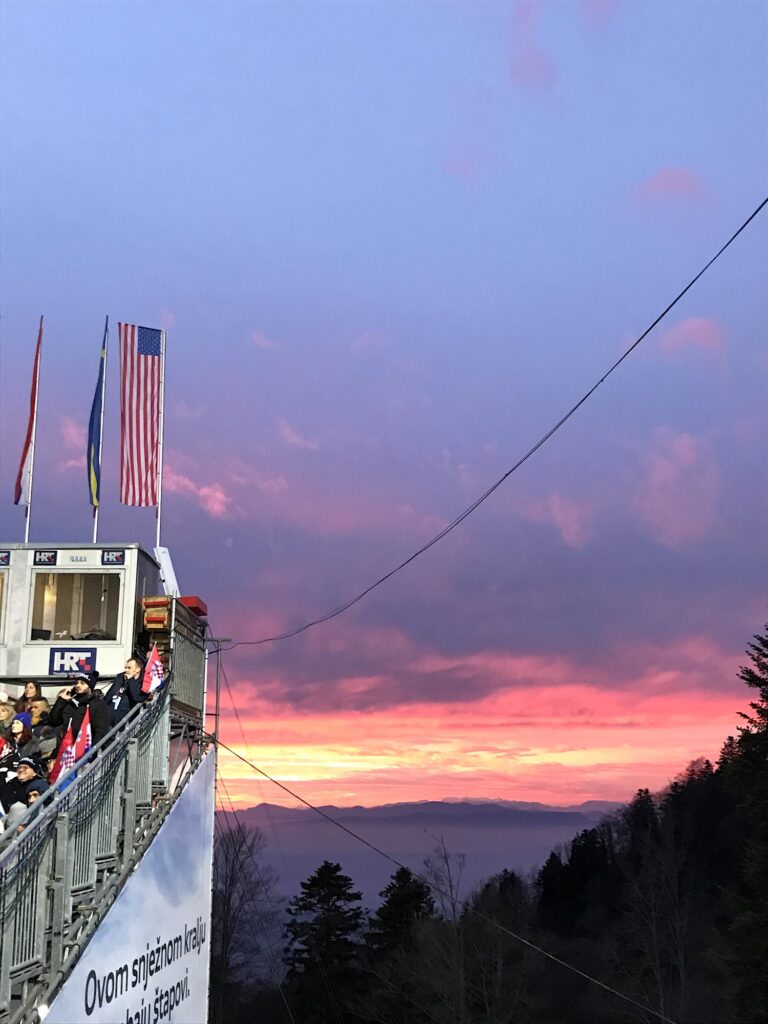
At the opposite end of the spectrum is Medvednica, the forested mountain that frames the city’s northern skyline. Locals call its highest peak Sljeme (1,035 m), a beloved weekend escape for hiking, mountain biking, and skiing in winter. Every January until 2023, Sljeme used to host the Snow Queen (Snježna kraljica) World Cup race, part of the FIS Alpine Ski World Cup circuit, named in honour of Croatian ski legend Janica Kostelić. The newly rebuilt Sljeme cable car offers panoramic views of Zagreb and the surrounding countryside. Stop at one of the rustic mountain huts like Grafičar or Puntijarka for hearty bean stew, sauerkraut, and warm bread straight from the oven.
Evening: Dining and the Arts
End your weekend on a high note with dinner at Noel, Zagreb’s Michelin-starred restaurant offering contemporary dishes inspired by Croatian tradition.
Afterward, enjoy a performance at the Croatian National Theatre (HNK) — a stunning Neo-Baroque masterpiece where world-class opera and ballet are performed at surprisingly affordable prices. Alternatively, head to Lisinski Concert Hall, where orchestras such as the Royal Philharmonic and La Scala Orchestra sometimes grace the stage.
Quick Travel Tips
Currency: Euro (€)
Schengen Area: Croatia joined the Schengen Zone in January 2023, meaning there are no border checks between Croatia and other Schengen countries — making travel seamless if you’re visiting from elsewhere in the EU.
Language: Croatian (English widely spoken)
Getting around: Walk or take trams; Uber and Bolt operate citywide
Best time to visit: Spring (April–June) or autumn (September–October)
Day trips: Samobor for its famous cream cake, or Medvednica Mountain for hiking and panoramic views
Final Thoughts
Zagreb may not have the sea, but it offers something richer — a sense of warmth, authenticity, and a slower rhythm that’s hard to find elsewhere.
Coming from Zagreb, I’ve always felt that its essence lies in small, genuine moments: a morning coffee ritual, the rhythm of Dolac Market, or the view from Sljeme on a crisp autumn day. Whether you’re here for a weekend or a longer stay, Zagreb rewards curiosity and conversation — a city that reveals its character slowly and sincerely. And if you do start to miss the sea, the dazzling Adriatic coast is just a short drive away.