
Remote, serene, and endlessly beautiful — Vis is the kind of island that still feels like a secret. Tucked far out in the Adriatic, this Croatian treasure blends raw nature, rich history, and the art of pomalo — taking life slow. Here’s my full guide to the island that will steal your heart, from sunlit beaches and seafood feasts to caves that shimmer in blue light.
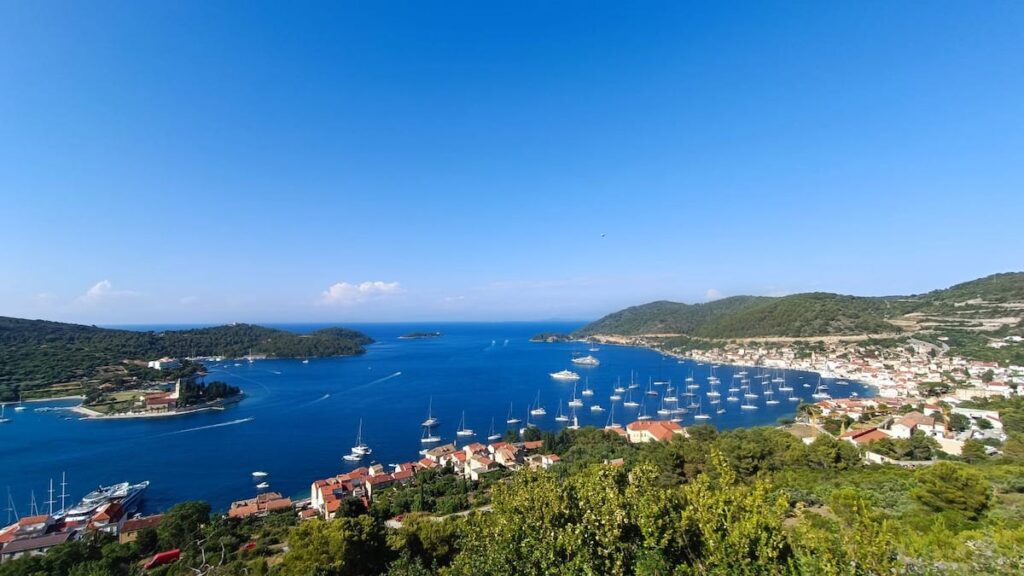
Vis – The Island Where Time Slows Down
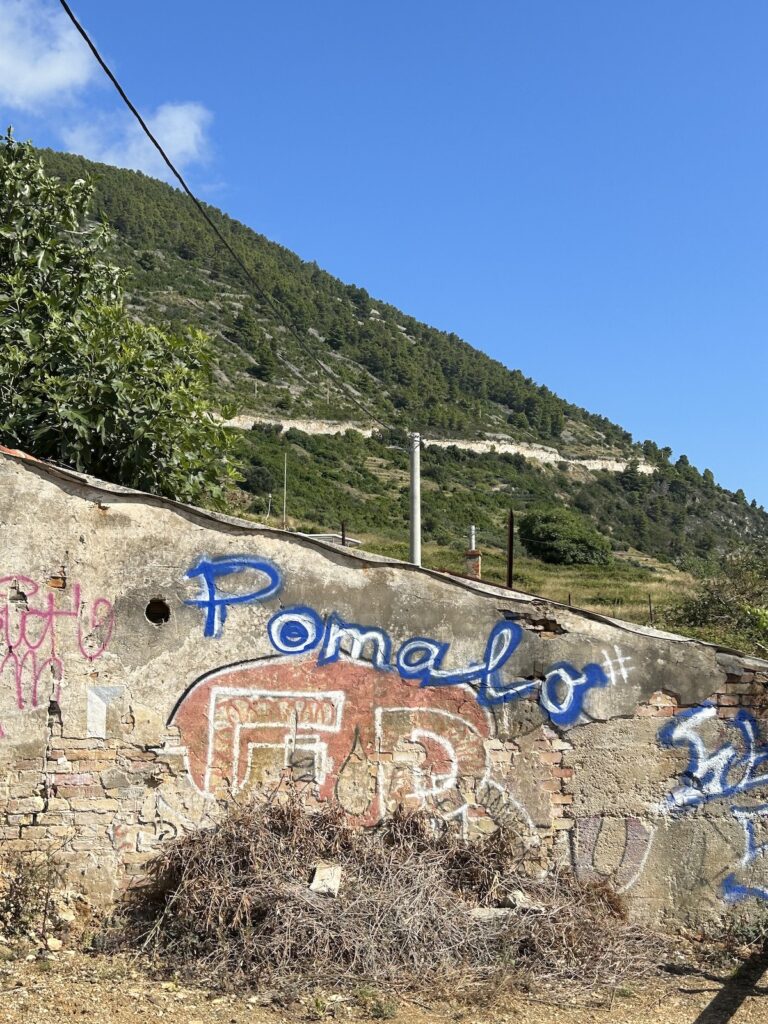
The first word you’ll learn on the island of Vis is pomalo. When you greet a local with a friendly “good morning,” you might just hear this word in return — pomalo.
It perfectly captures the essence of this island — a remote speck in the Adriatic, about 45 kilometers off the Croatian coast, where life moves at its own unhurried rhythm. Here, people live “pomalo” — slowly, calmly, and without stress. The only rush you’ll find is the occasional crowd of sailboats vying for a mooring spot at sunset, in the height of summer. If you’re looking for a slower, authentic slice of Croatia, Vis Island offers everything — tranquility, history, and spectacular nature.
Getting to Vis – The Journey Is Part of the Experience
Even getting to Vis is an exercise in slowing down. The island is the most distant inhabited one from the Croatian mainland, with ferries and catamarans connecting it three to four times a day. You can also arrive by private boat or yacht. However you choose to travel, the journey itself becomes part of the experience — your vacation truly begins the moment you step on board.
Until 1989, Vis was closed to tourism. Its strategic position made it a naval base for the Yugoslav army — as it had been for various armies long before. Today, you can explore this chapter of its history on the fascinating Vis Military Tour. Our guide, Ante from Teuta agency, was the perfect storyteller, sharing not only the island’s military past but also local anecdotes that you won’t find in any history book.
From Secret Base to Star of the Adriatic
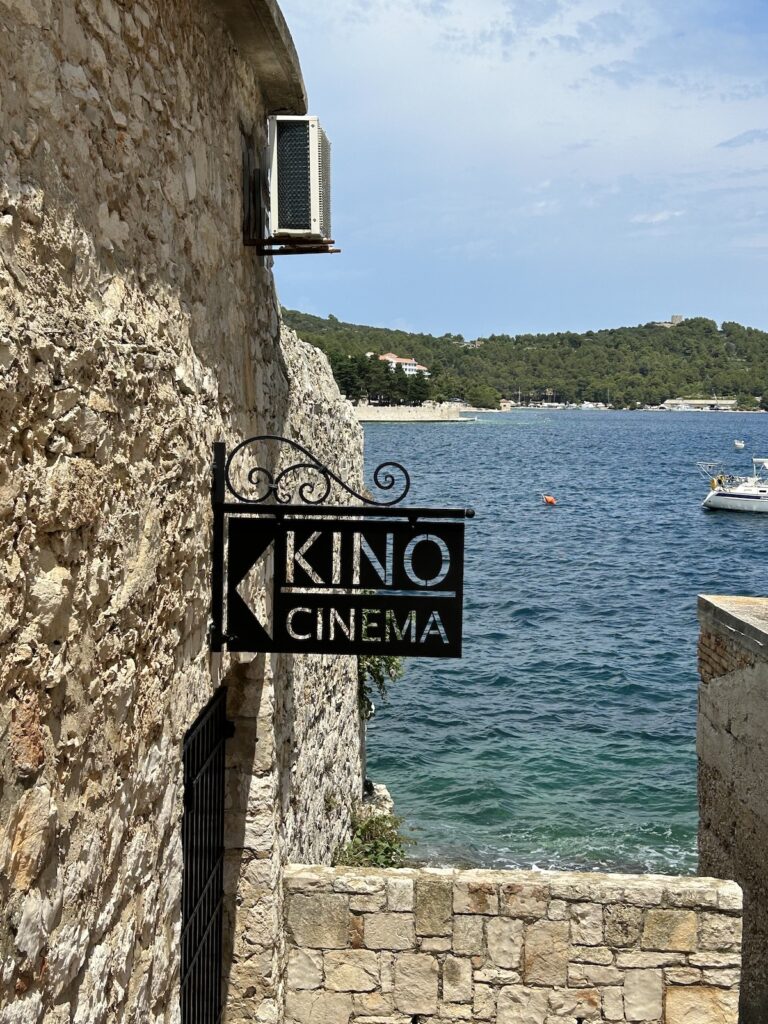
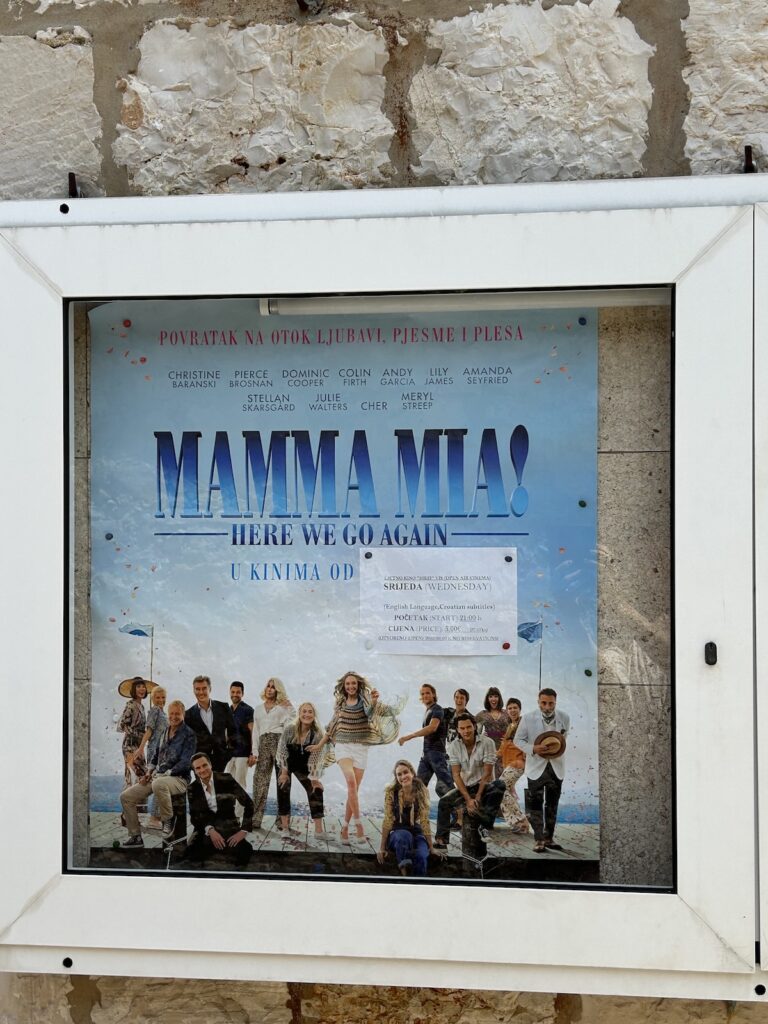
Tourism began to bloom only after the Croatian War of Independence, around 1996–1997, and in recent years, it has truly taken off. The filming of Mamma Mia! Here We Go Again certainly helped — although in the movie, Vis played the role of Greece. Today, around 90 percent of visitors are sailors, with most Croatian tourists arriving later in July and August.
Locals across Dalmatia often express concern about rising prices and the future of tourism. In some places, restaurant and accommodation prices have climbed higher than in cities like Vienna, often without matching quality. It’s a growing challenge, especially for destinations that rely on loyal visitors from Germany and Austria.
Despite these shifts, Vis remains one of the most pristine islands in the Mediterranean — officially recognized by the World Wildlife Fund as one of the ten best-preserved islands in the region.
Vis or Komiža – Two Towns, Two Characters
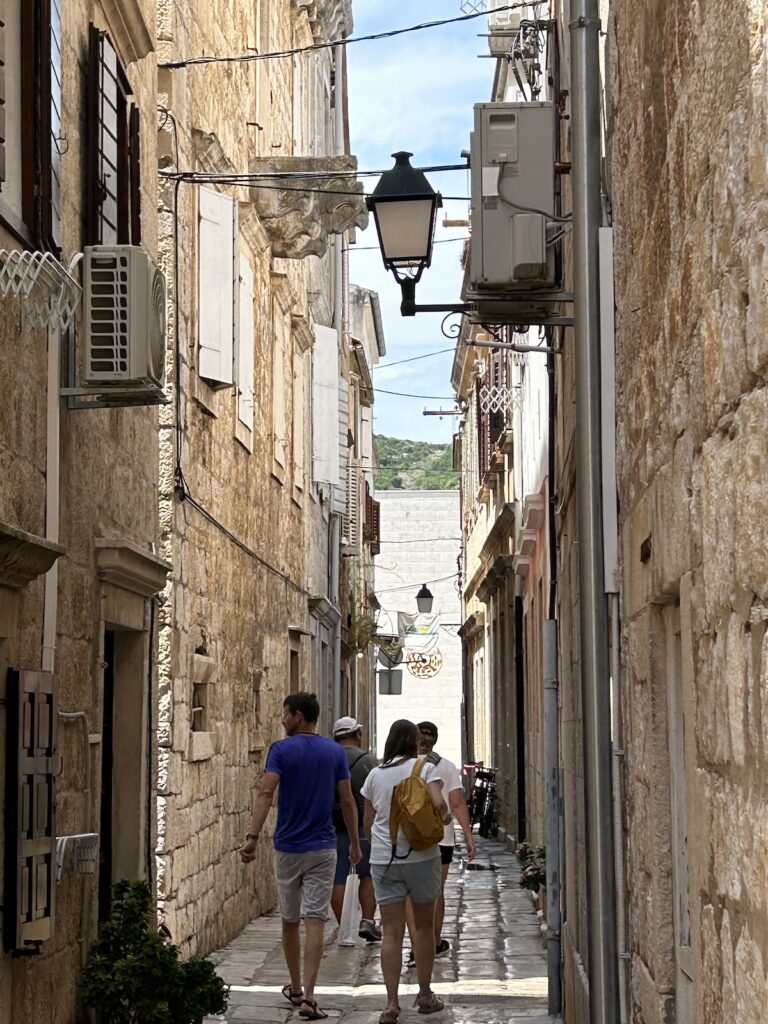
The island’s two main towns, Vis and Komiža, lie about ten kilometers apart, each on its own side of the island. Komiža, once a thriving fishing port with several canneries, now charms visitors with its laid-back atmosphere. Many, including me, find it even more relaxed and endearing than Vis town itself. Both towns are small, walkable, and perfect bases for exploring the island’s beaches and caves.
Where to swim – The Blue Cave and Stiniva – Vis’s Natural Highlights
Among the island’s top natural attractions are Stiniva Beach and the Blue Cave (Modra špilja), located on the nearby islet of Biševo. The cave glows with a mesmerizing blue light when the sun’s rays reflect through an underwater opening — a sight so magical it’s hard to believe it’s real.
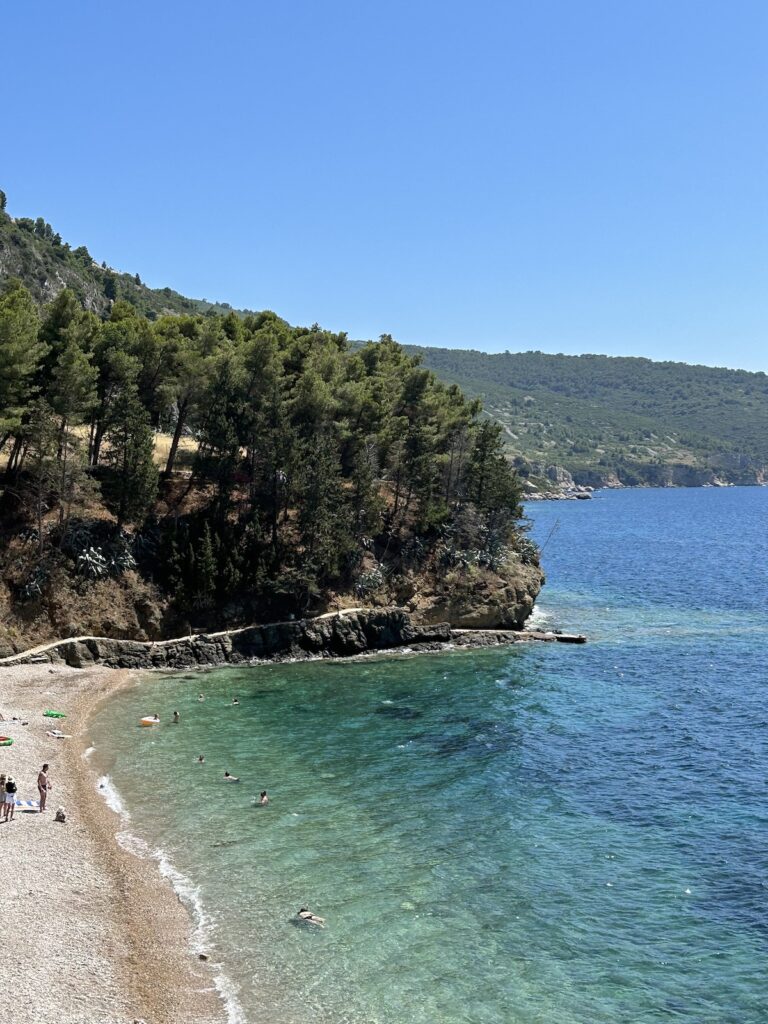
Stiniva, hidden behind high cliffs and open to the sea through a narrow passage, is small but stunning — and understandably crowded in summer. Many travelers say that Srebrna Beach rivals it in beauty. On Vis, you could swim at a different beach every day of your stay — from Kamenice near Komiža to Zaglav, Rukavac, Pritiščina, Grandovac, or Barjaška Bay, where much of Mamma Mia! was filmed. Some beaches even have changing cabins, though portable toilets would be a welcome addition during the summer months. For naturists, several FKK beaches can be found near Vis town and the Fort George area.
Hidden Coves and Wartime Secrets
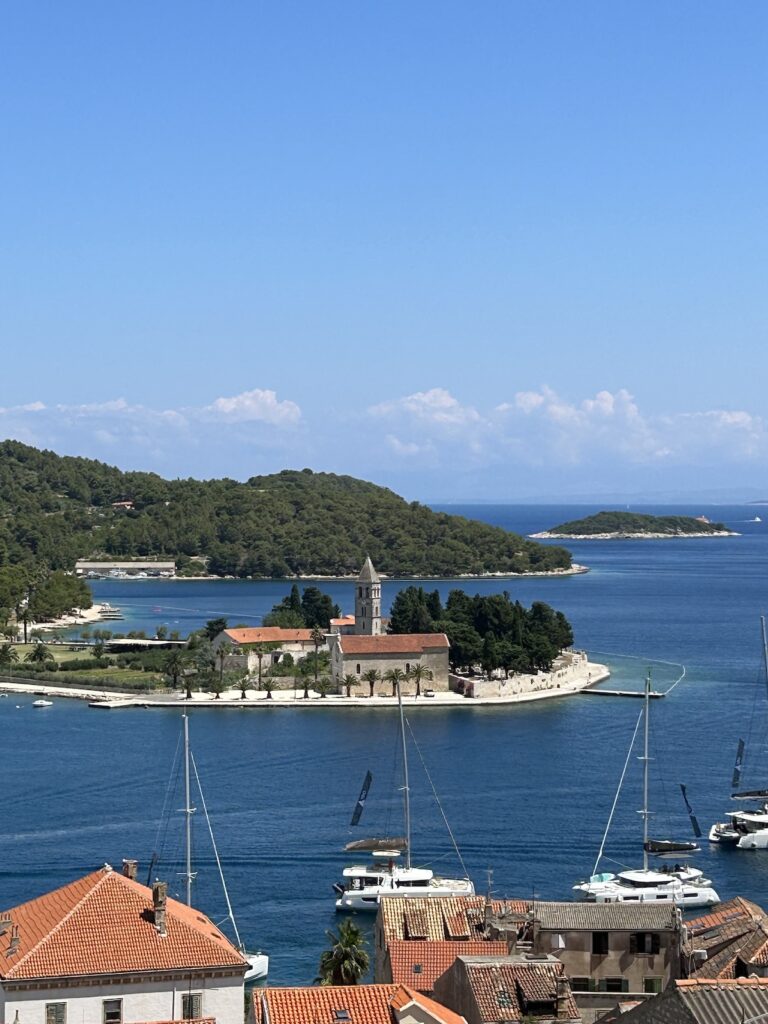
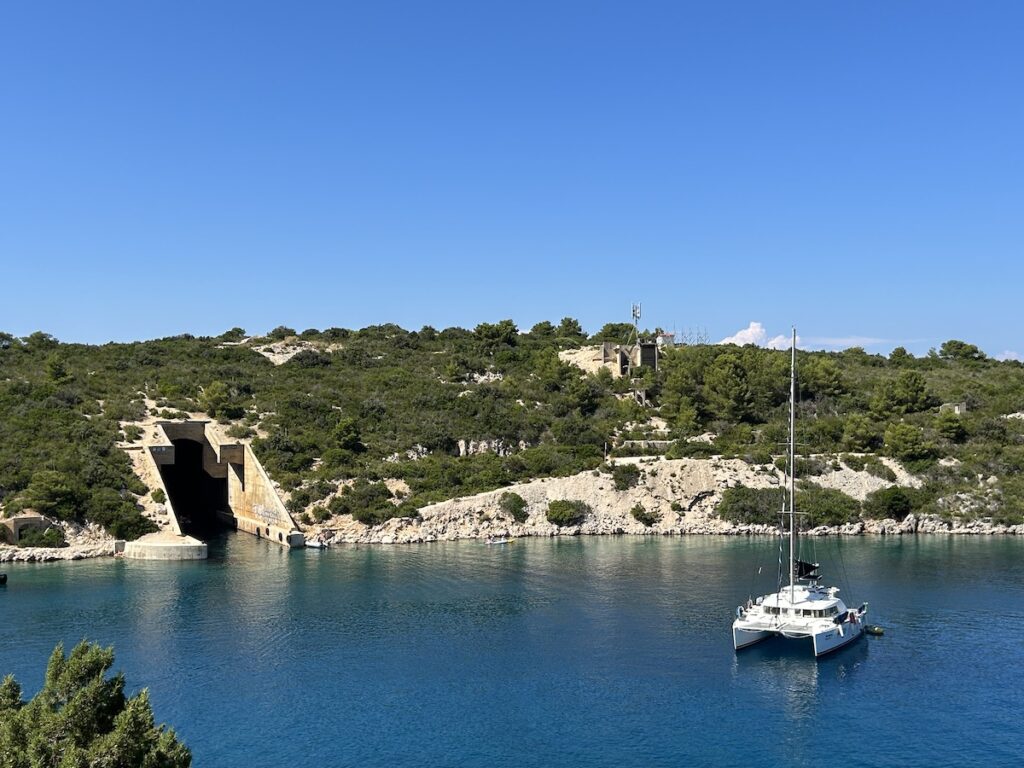
In Vis town, the most beautiful pebble beach lies near Hotel Issa and the small church and pier — another Mamma Mia! filming spot. A bit farther along, behind Fort George, are idyllic coves perfect for swimming. Nearby, you’ll find a submarine tunnel and a network of wartime tunnels leading to gun positions. Don’t explore them alone — it’s easy to get lost! We saw all of this during our Military Tour, which I’d recommend even if you’re not particularly interested in military history. It’s part of the island’s story, and it’s wonderful to see locals embracing it as both heritage and opportunity. This blend of history and nature gives Vis a special energy — a quiet reminder of its layered past.
[Call to Action]
Life, Wine, and the Wisdom of Locals
Aside from tourism, the people of Vis still depend on agriculture and fishing. One local proverb we learned goes:
“The olive tree is like a mother — visit her once a year and she’ll give you everything. The vine is like a lover — if you don’t give her your full attention, she gives you nothing in return.”
Vis’s indigenous grape is Vugava, and you’ll also find excellent Plavac Mali wines. Don’t miss the island’s wine tours or tastings at local wineries — a must for food and wine lovers visiting Vis.
Diving – Layers of History Beneath the Waves
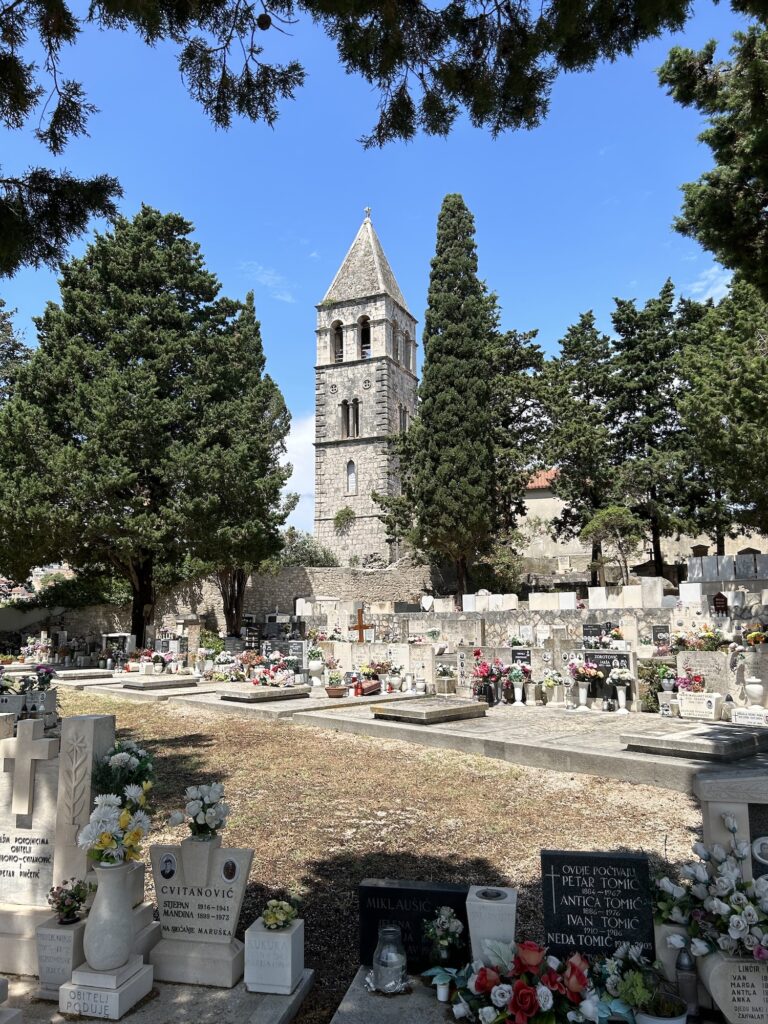
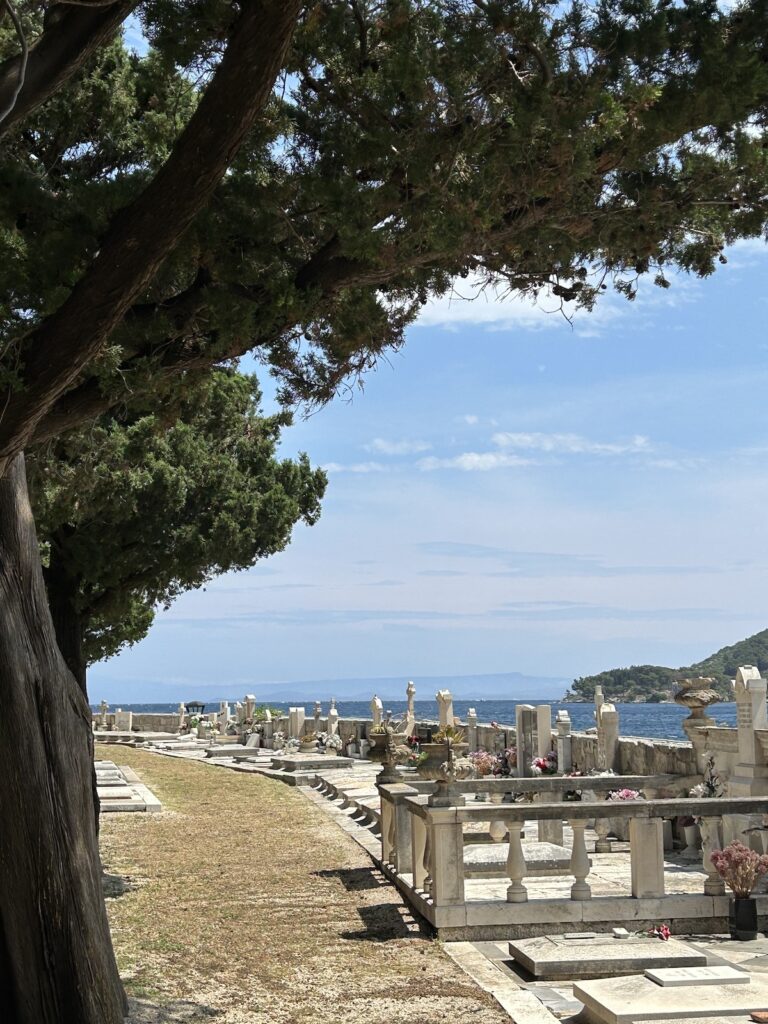
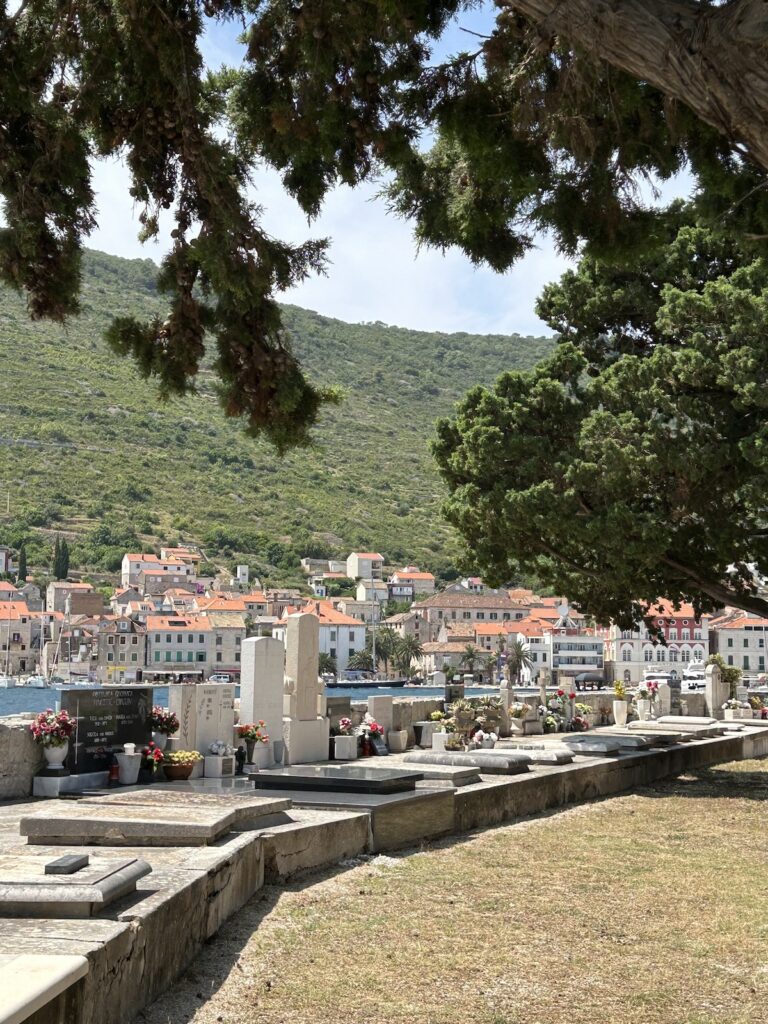
The island’s history stretches back to the Greeks and Romans, later ruled by Venetians, Austrians, and the British. Beneath the sea lie shipwrecks that attract divers from around the world. Don’t miss the Greek cemetery, Roman baths, and the Archaeological Museum in Vis, as well as the Fishermen’s Museum in Komiža. For divers, Vis offers some of the most fascinating wreck dives in Croatia.
Sunsets and Sweet Endings
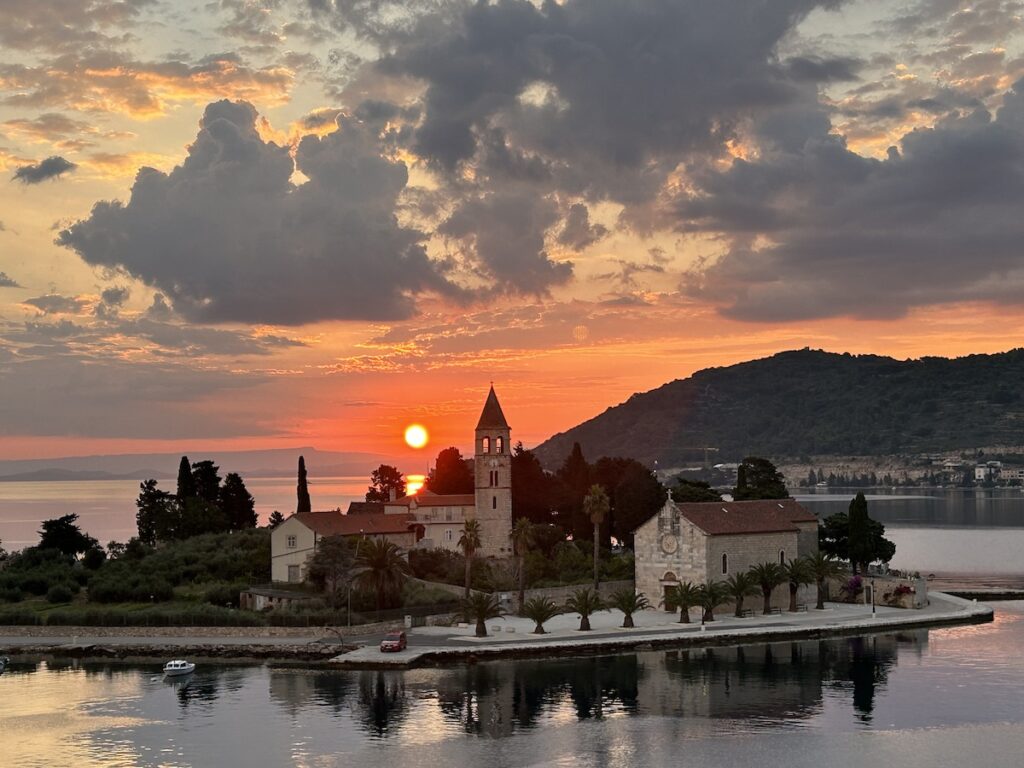
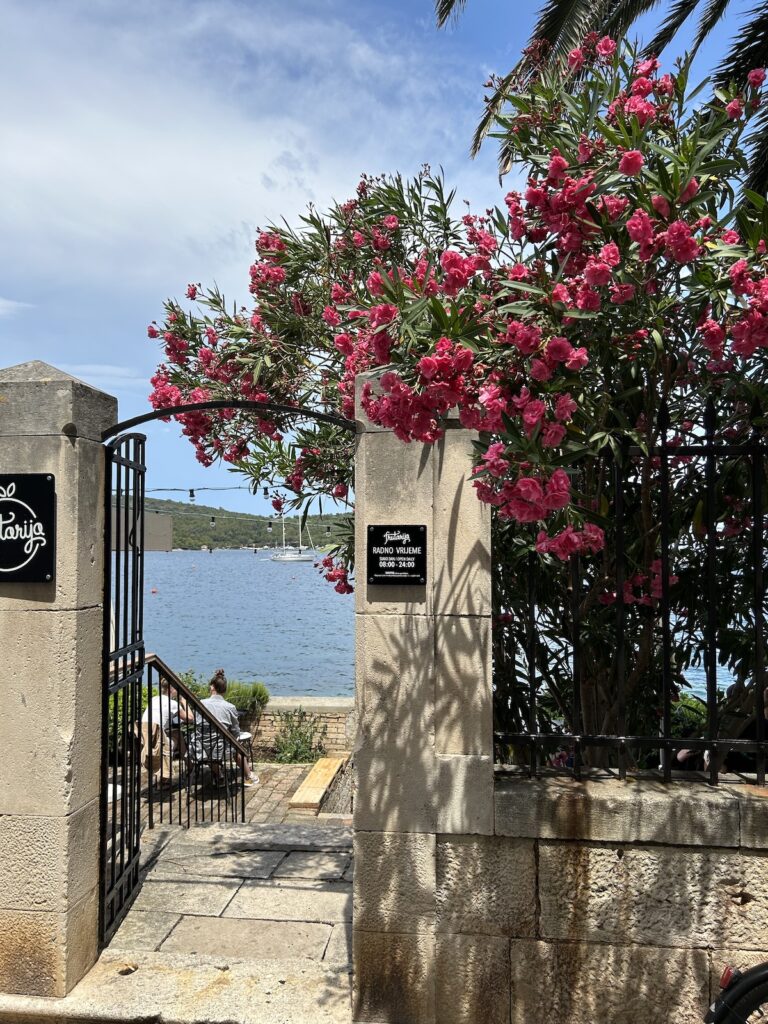
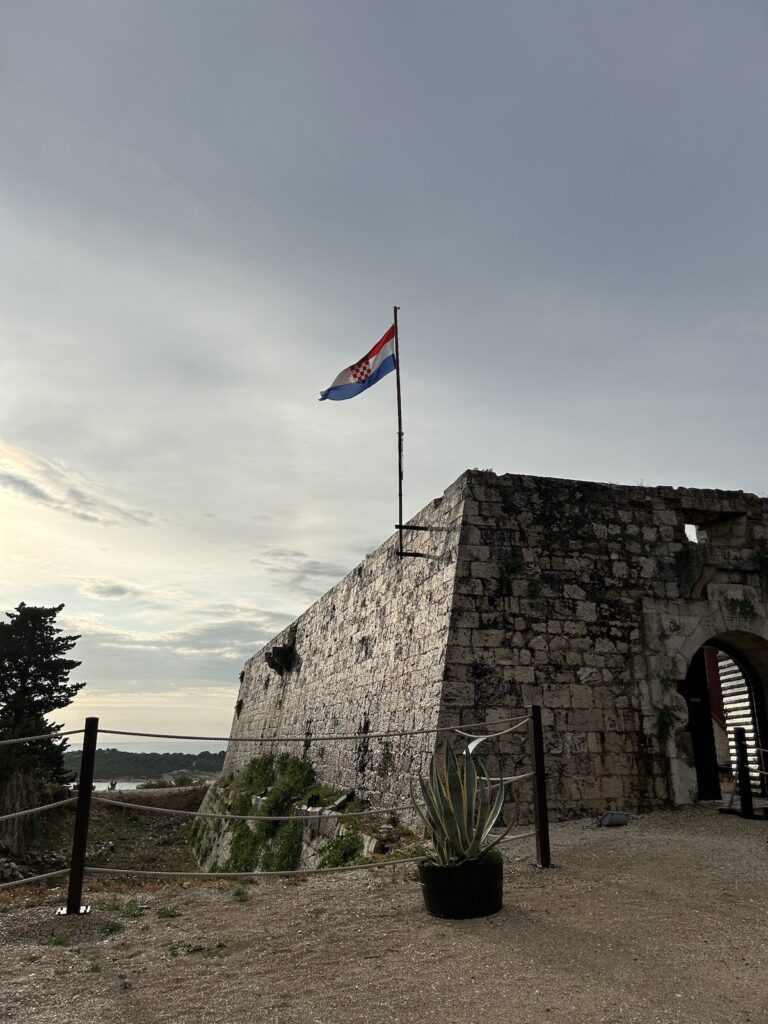
For an unforgettable sunset, head to Hum Hill, the highest point on the island, near the tiny chapel of St. Spirit above Komiža, or to Fort George above Vis town, where you can enjoy the view with a cocktail or dinner.
And before you leave, treat yourself at Cukar Patisserie in Komiža. Their cakes are divine — beautifully crafted, light, and full of Mediterranean flavors like lavender, fig, and carob. Honestly, it’s hard to pick just one.
Exploring Biševo and Beyond
To visit Biševo and the Blue Cave, you can easily book a tour online, at local agencies, or right from the waterfront in Komiža. We were delighted with our half-day trip with Teuta agency, but there are many options to suit every traveler. I’d also recommend a full boat tour around the island, or a visit to the Green Cave. And for food and wine lovers — like me — the local wine and culinary tours are a must.
How to Reach Vis Island
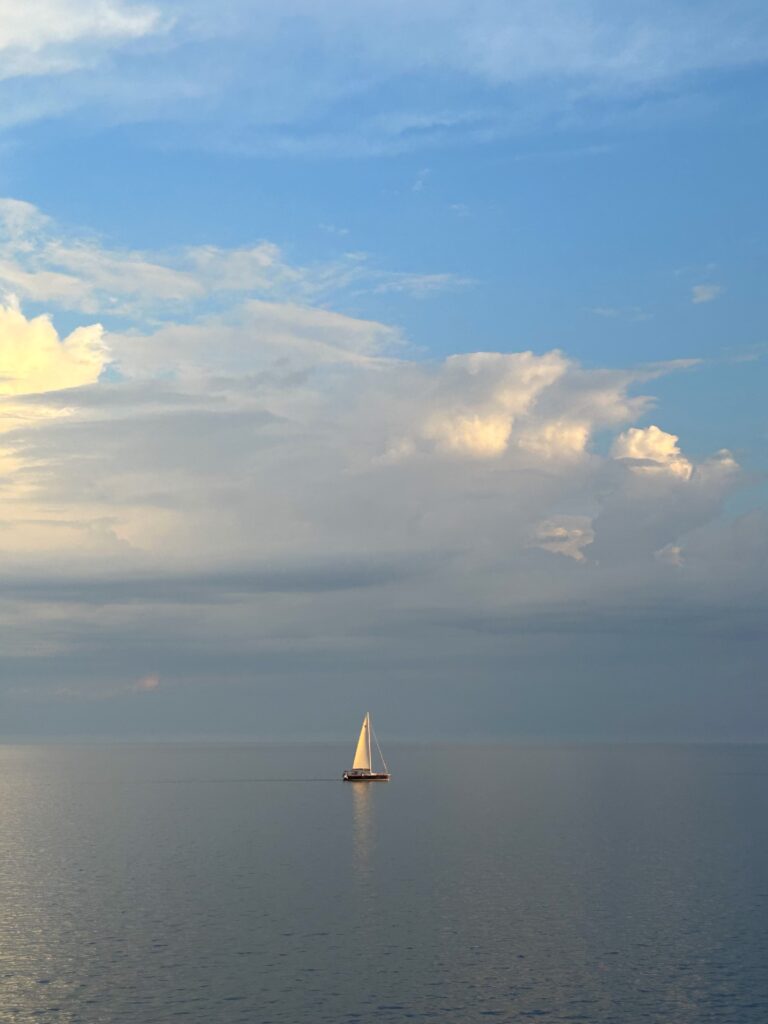
Vis may be remote, but getting there is part of its charm. The island lies about 45 kilometers off the Dalmatian coast and is easily accessible from Split.
- By ferry: Jadrolinija operates car ferries between Split and Vis several times a day during summer. The journey takes about 2 hours and 20 minutes.
- By catamaran: If you’re traveling without a car, the high-speed catamarans take around 1 hour and 30 minutes.
- By private boat or sailing charter: Many visitors arrive by yacht or on sailing tours, docking in Vis town or Komiža.
- By organized tour: Several agencies in Split offer day trips to Vis and Biševo (the Blue Cave), ideal if you’re short on time.
- Tip: During the summer months, book your ferry tickets a few days in advance, especially if you’re bringing a car.
Top Things to Do on Vis Island
If you want to balance beach time with a bit of exploring, these are the highlights not to miss:
1. Swim at Stiniva Beach
Often listed among Europe’s most beautiful beaches, this small cove framed by cliffs is accessible by boat or a short but steep hike.
2. Take a Boat Trip to the Blue Cave (Modra špilja)
Located on the nearby island of Biševo, the cave glows with an otherworldly blue light when the sun hits the water just right — go around midday for the best effect.
3. Visit Komiža
This fishing village on the island’s western side is charming, photogenic, and full of local restaurants and cafés. Don’t miss dessert at Cukar Patisserie.
4. Explore the Military Tunnels and Fort George
Learn about Vis’s strategic past on a guided Military Tour. Fort George also offers incredible sunset views and a great restaurant-bar.
5. Go Wine Tasting
Try the island’s indigenous Vugava white wine and bold Plavac Mali reds. Several family-run wineries welcome visitors for tastings.
6. Hike or Drive to Hum Hill
At 587 meters, it’s the highest point on Vis and offers panoramic views of Komiža and the open sea.
7. Dive into History (and Underwater Wrecks)
Vis has a rich maritime past — divers can explore shipwrecks and even planes from World War II resting on the seabed.
8. Relax on the Beaches of Rukavac, Srebrna, and Zaglav
Crystal-clear water, smooth pebbles, and a calm atmosphere — each has its own character, and all are worth visiting.
9. Discover the Island’s Archaeological Heritage
Stop by the Archaeological Museum in Vis and the Fishermen’s Museum in Komiža for a glimpse into daily life across the centuries.
10. Sail Around the Island and Visit the Green Cave
A half-day or full-day boat trip lets you explore hidden coves and caves — an unforgettable way to see Vis from the sea.
Best Time to Visit Vis
- The ideal time to visit is late May to early October.
- June and September are perfect — warm seas, sunny days, and fewer crowds.
- July and August are lively but busier, with higher prices.
- Spring and autumn are peaceful, with a more local feel.
Why You’ll Love Vis
Vis is a rare mix of history, authenticity, and slow living. It’s a place where you can disconnect — enjoy great local food, sip wine under olive trees, and swim in waters so clear they almost glow.
Once you’ve experienced the island’s rhythm — pomalo — it stays with you long after you leave.
