Vienna in 48 Hours: What to See, Do, Eat and Where to Stay
Whether you’re planning a weekend city break or spending two days in Vienna for the first time, this itinerary covers the essential sights, museums, food experiences and neighbourhoods to help you make the most of your visit.
Vienna is a city that reveals itself slowly. Grand imperial buildings stand next to neighbourhood cafés, historic streets lead to world-class museums, and everyday life unfolds at an unhurried pace. It’s elegant without trying too hard, cultural without being overwhelming, and compact enough to explore comfortably in a short stay.
Two days are not enough to see everything, but they are enough to understand why Vienna consistently ranks among the world’s most liveable cities.
Here’s how to experience Vienna in 48 hours—a perfect guide for a two-day stay or weekend trip.
Day One: Imperial Vienna and Coffee House Culture
Morning: The Historic Heart
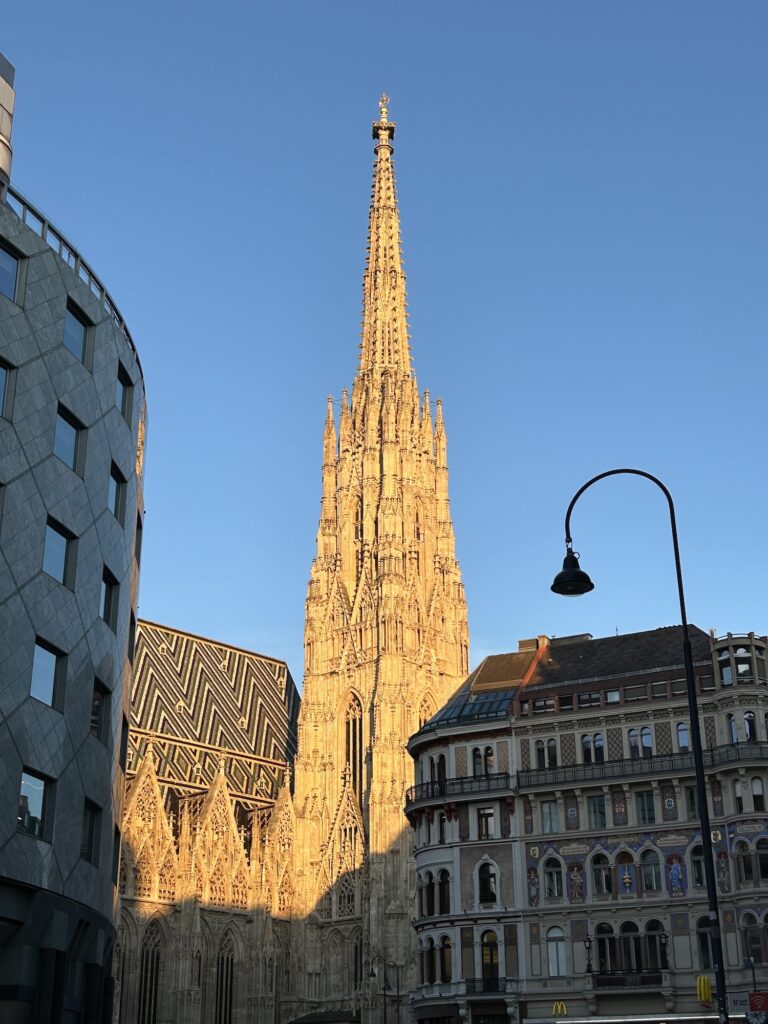
Start in Innere Stadt, Vienna’s historic centre and a UNESCO World Heritage Site.
At its heart stands St. Stephen’s Cathedral (Stephansdom), a Gothic landmark with a richly patterned tiled roof. Step inside for a quiet moment or climb the South Tower for views over the city.
From here, stroll along Graben and Kohlmarkt, two of Vienna’s most elegant historic shopping streets, lined with luxury boutiques, traditional Viennese businesses and grand façades, leading towards Hofburg Palace.
The Hofburg was the winter residence of the Habsburg emperors and today houses the Imperial Apartments, the Silver Collection and the highly recommended Sisi Museum, which offers an insightful and balanced look at the life and myth of Empress Elisabeth.
Coffee Break: A Viennese Institution
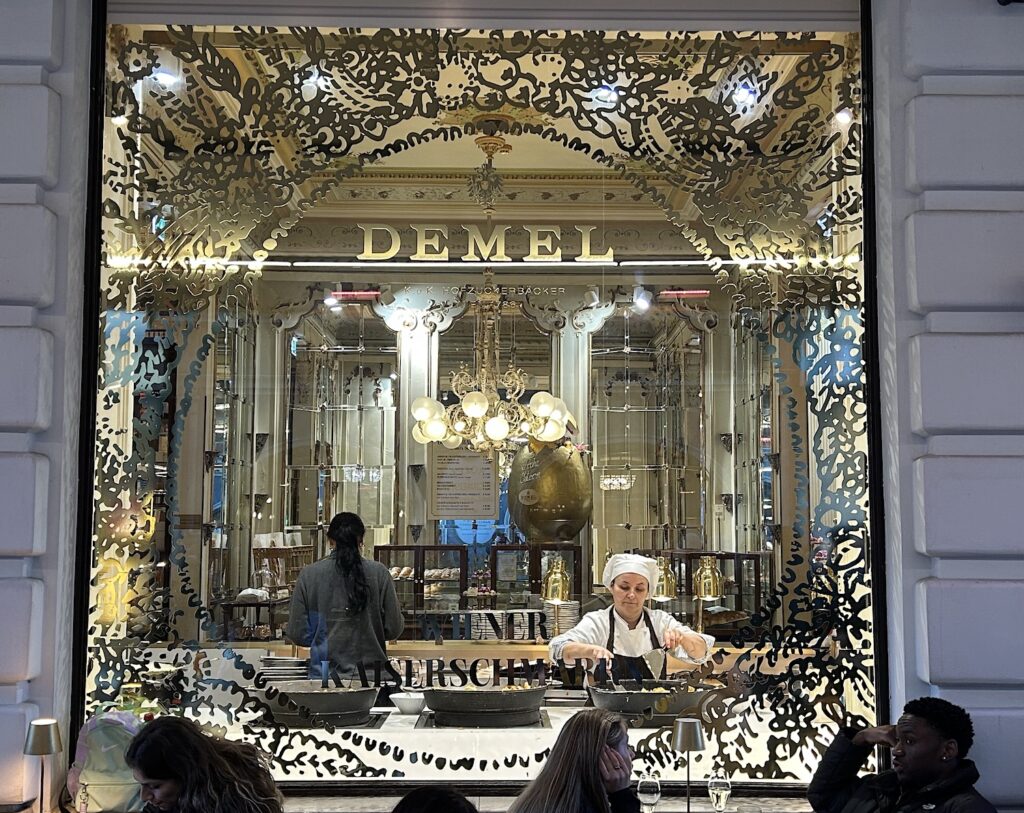
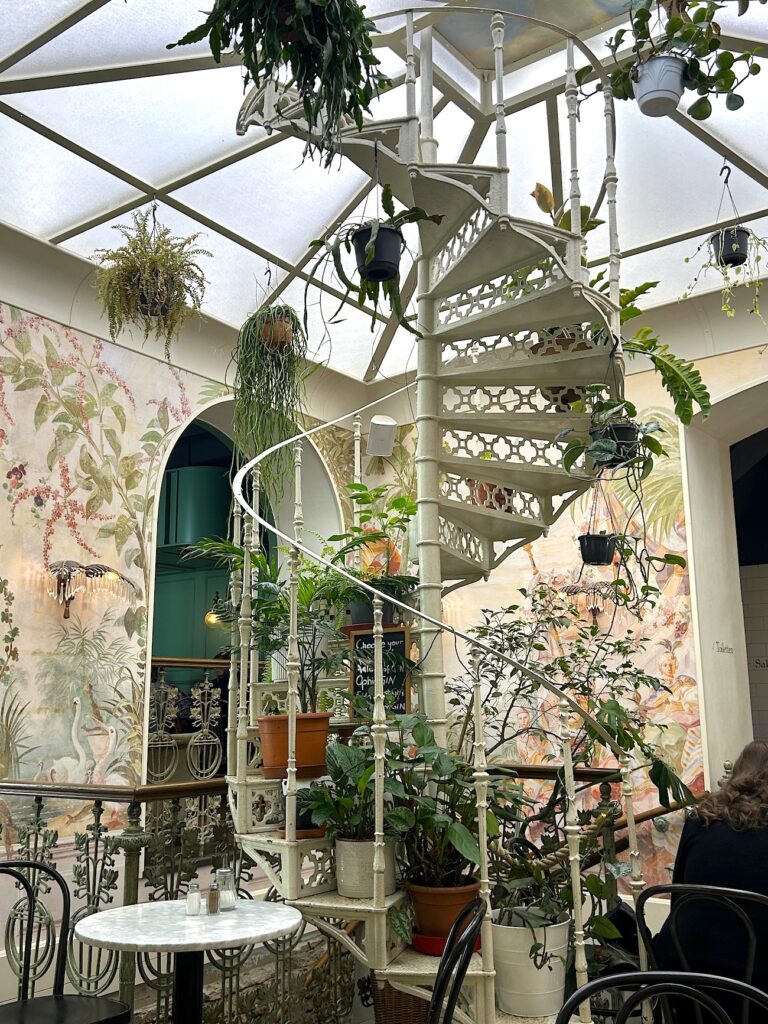
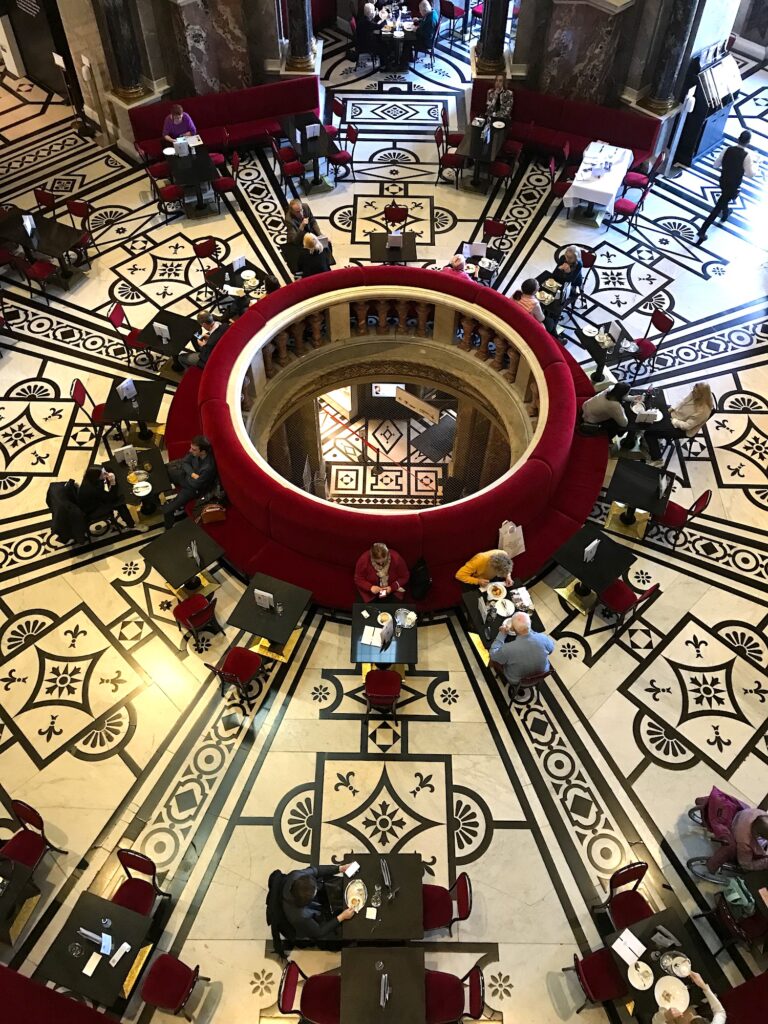
No visit to Vienna is complete without time in a traditional coffee house. Café Central, with its vaulted ceilings and marble columns, is one of the city’s most famous examples and a former meeting place of writers and intellectuals.
Order a Wiener Melange and a slice of Apfelstrudel—and stay awhile. In Vienna, coffee houses are places for reading, conversation and lingering.
For more on this essential part of Viennese life, including history and recommendations, you can read a separate, dedicated article on my blog.
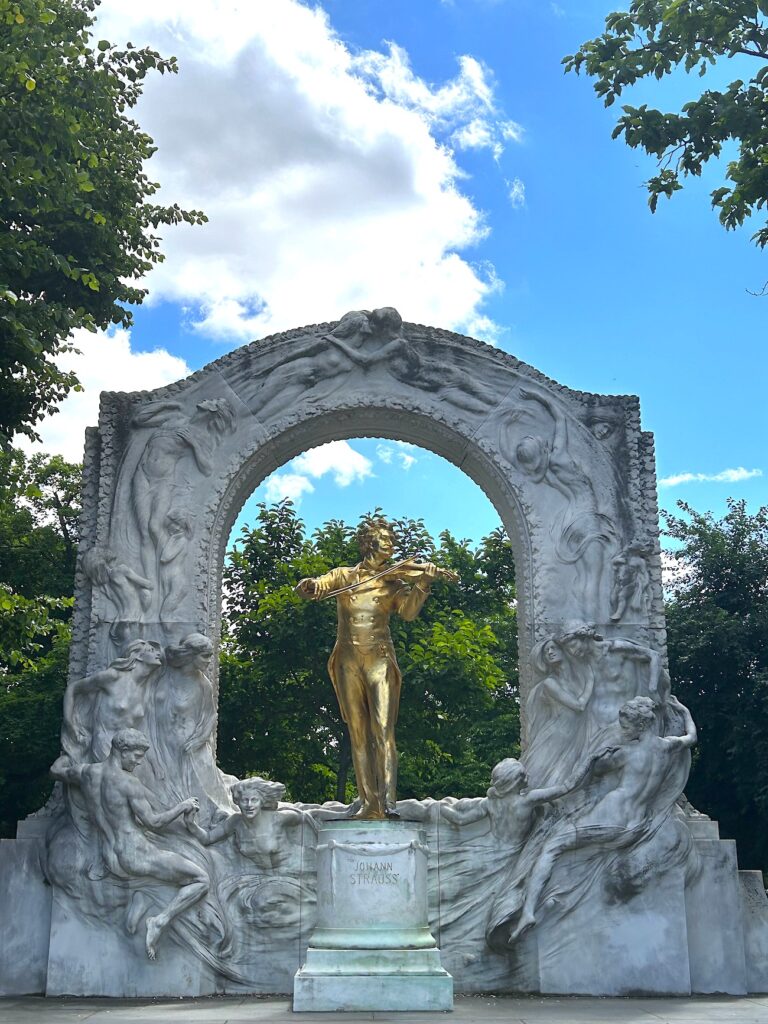
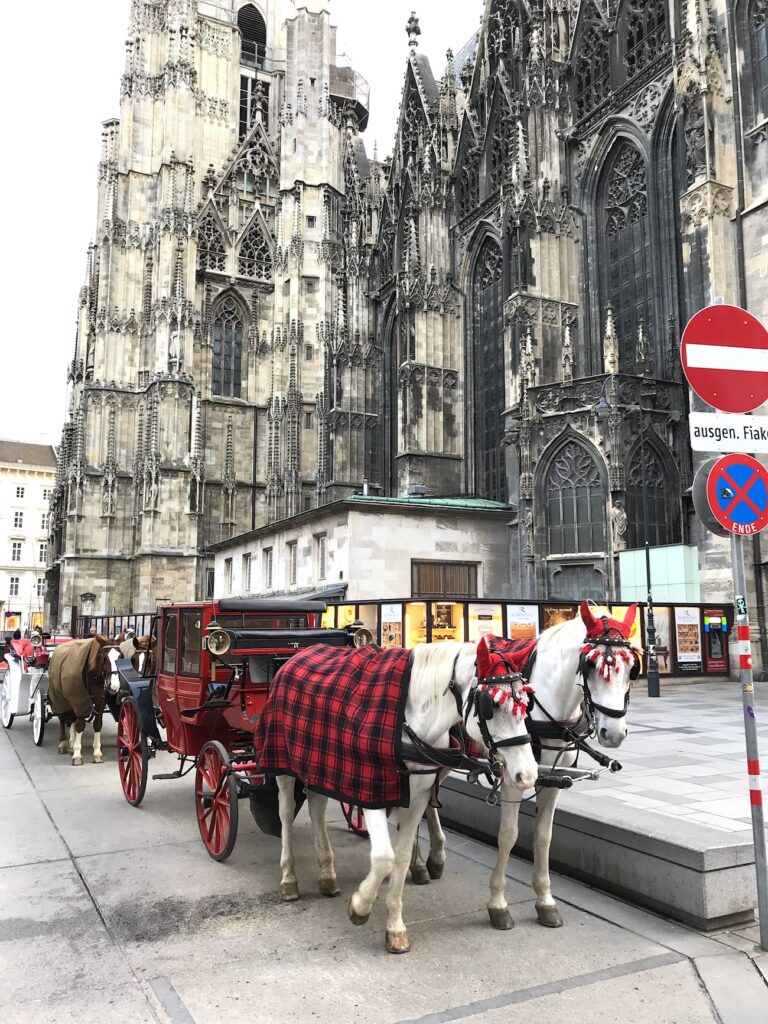
Afternoon: Ringstrasse and Museum Highlights
Vienna’s Ringstrasse boulevard, circling the historic centre, can easily be explored in about half an hour on foot or comfortably by tram line 1, which passes many of the city’s most important landmarks, including the Opera, Parliament, City Hall (Rathhaus) and Burgtheater.
If you plan to move around frequently, a 24- or 48-hour Vienna City Card is a convenient and cost-effective option, offering unlimited public transport and discounts at many attractions.
For the afternoon, choose one or two cultural highlights rather than trying to see everything:
Belvedere Palace, home to Gustav Klimt’s The Kiss
Albertina, known for its exceptional graphic art collection and major exhibitions
Leopold Museum, founded by art collector Rudolf Leopold, a Viennese ophthalmologist and passionate patron of modern Austrian art. The museum holds the largest collection of works by Austrian painters, including Egon Schiele, Gustav Klimt, Oskar Kokoschka and Richard Gerstl, offering key insight into Vienna’s role in the development of modernism.
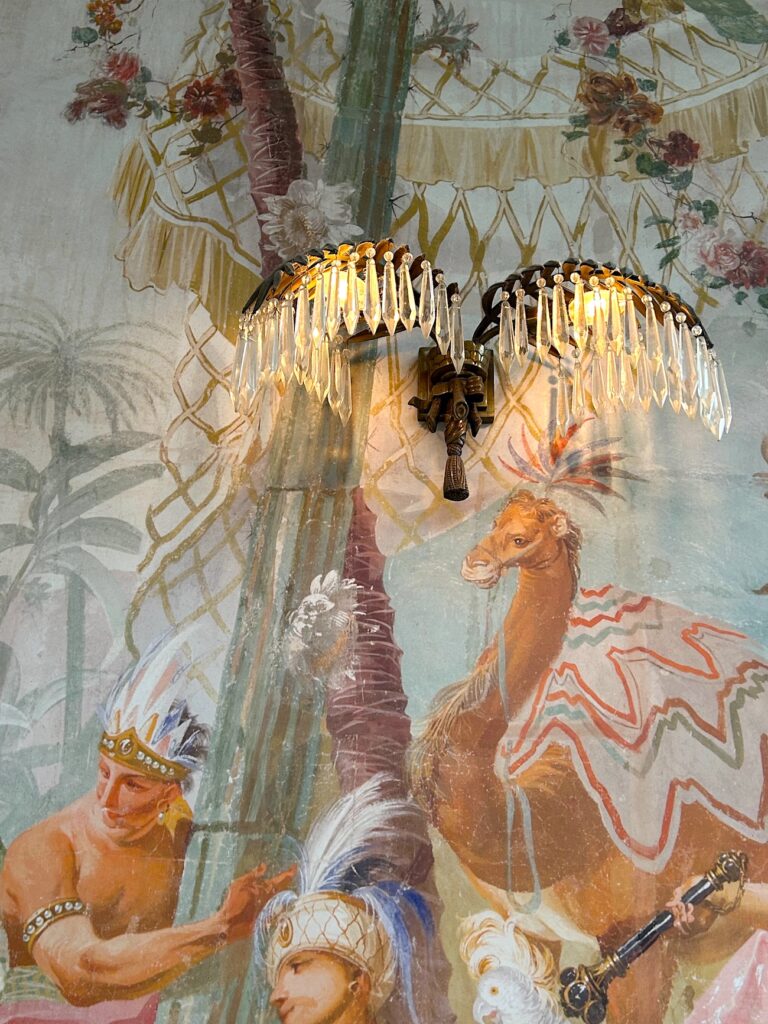
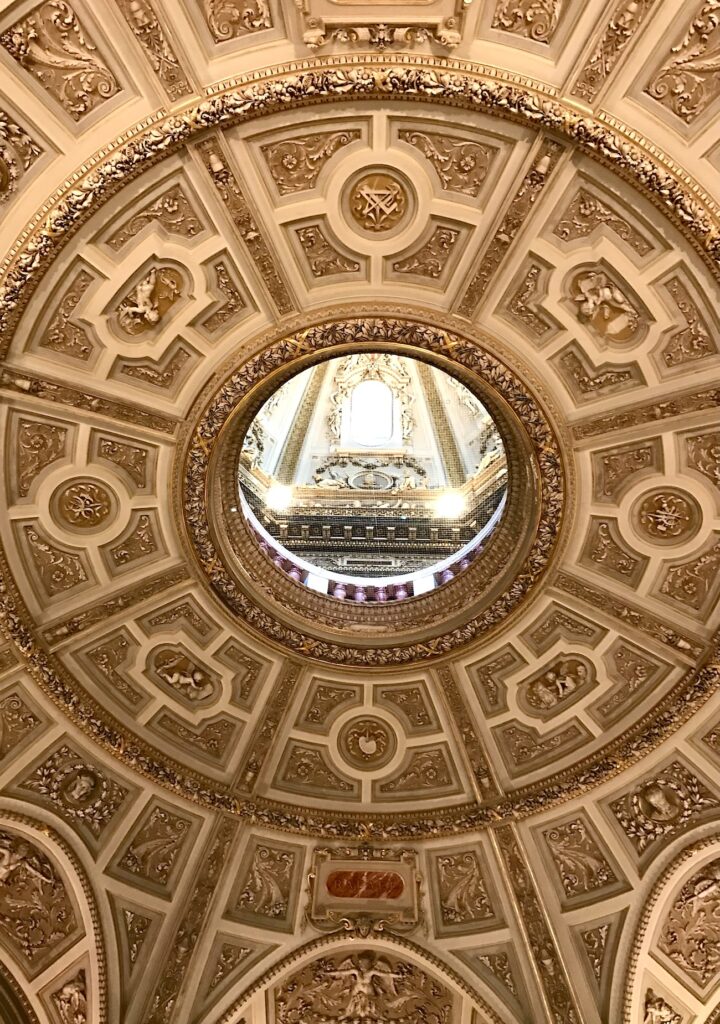
Evening: Music and Dinner
Vienna’s musical tradition is best experienced live. If possible, attend a performance at the Vienna State Opera, Musikverein or Konzerthaus.
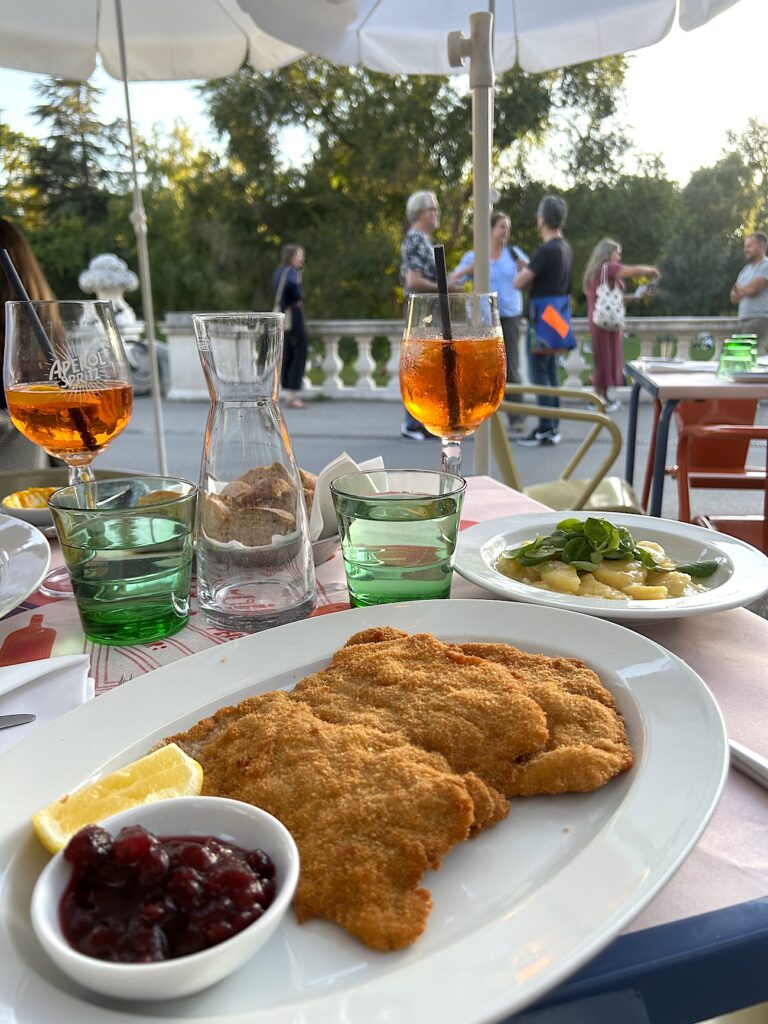
For dinner, traditional Viennese cuisine is an obvious choice:
Figlmüller, famous for its Wiener Schnitzel (the original location is especially popular)
Plachutta, renowned for Tafelspitz, Vienna’s classic boiled beef
If you don’t manage to get a table, many traditional coffee houses also serve excellent hot cuisine. Café Diglas is a reliable alternative for classic dishes. More suggestions can be found in the separate coffee house article on my blog.
Day Two: Palaces, Smaller Streets and Local Life
Morning: Schönbrunn Palace
Begin the day at Schönbrunn Palace, the former summer residence of the Habsburgs (easily reached by Metro line U4). Visit the richly decorated interiors or focus on the extensive palace gardens and the Gloriette for panoramic views.
Travelling with children? Allow extra time for the Schönbrunn Zoo (Tiergarten Schönbrunn), the oldest zoo in the world and one of Europe’s most respected, thoughtfully designed and enjoyable for all ages.
Lunch: Naschmarkt
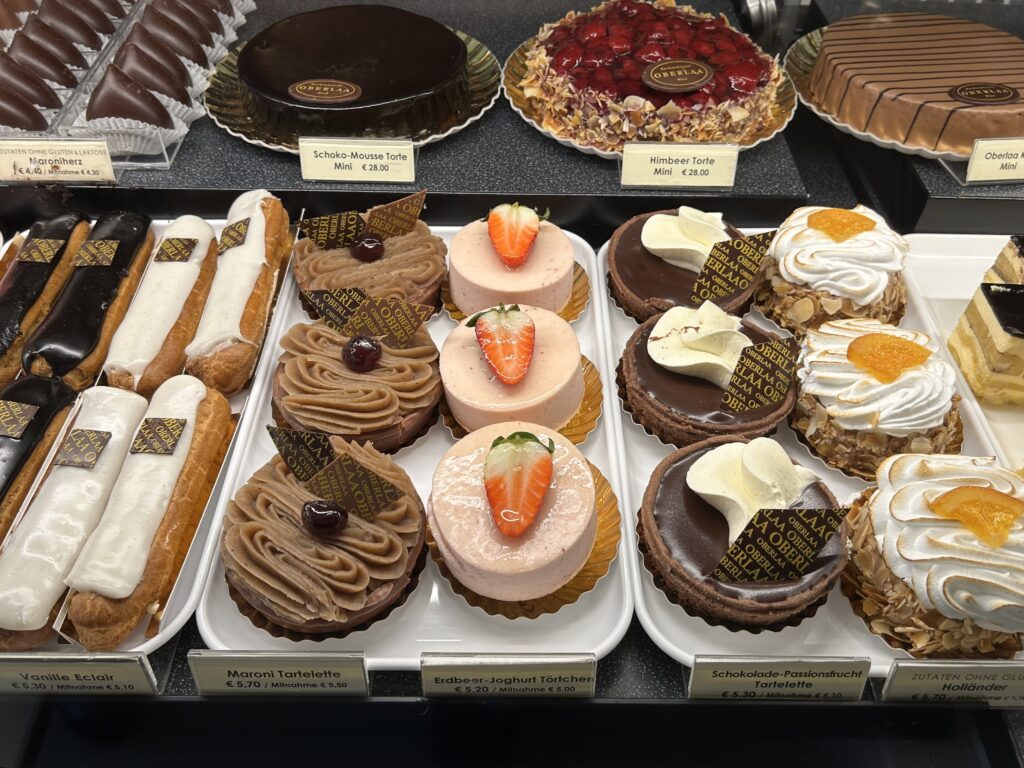
For lunch, head to Naschmarkt (back by U4), Vienna’s best-known food market, offering a wide range of international flavours and local specialities.
Because the market deserves more than a short stop, it is covered in detail in a separate article on my blog.
Vienna Beyond the Imperial Sights: Smaller Streets and Local Atmosphere
Spend the afternoon discovering a quieter, more local side of Vienna. Spittelberg, with its narrow streets, small galleries and independent shops, offers a charming contrast to the grandeur of the city centre and is ideal for a relaxed stroll.
Warm-Weather Suggestions
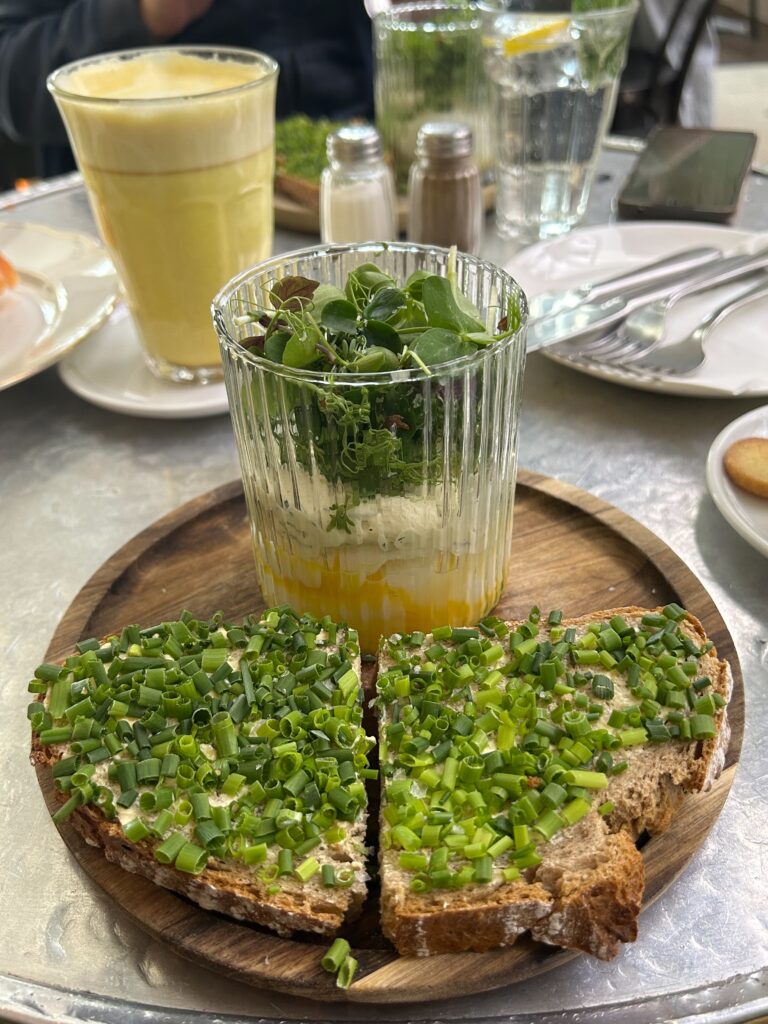
On warm days, Vienna invites you outdoors with long walks, open-air cafés and relaxed evening atmospheres. This topic deserves its own guide and will be explored further in a separate article.
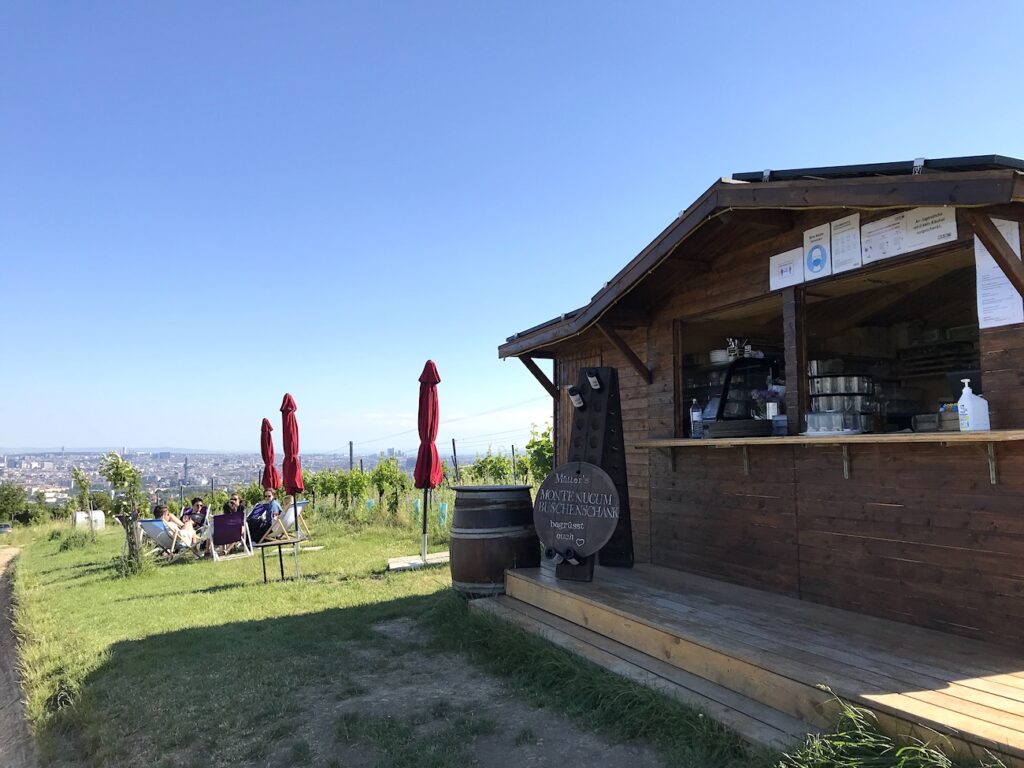
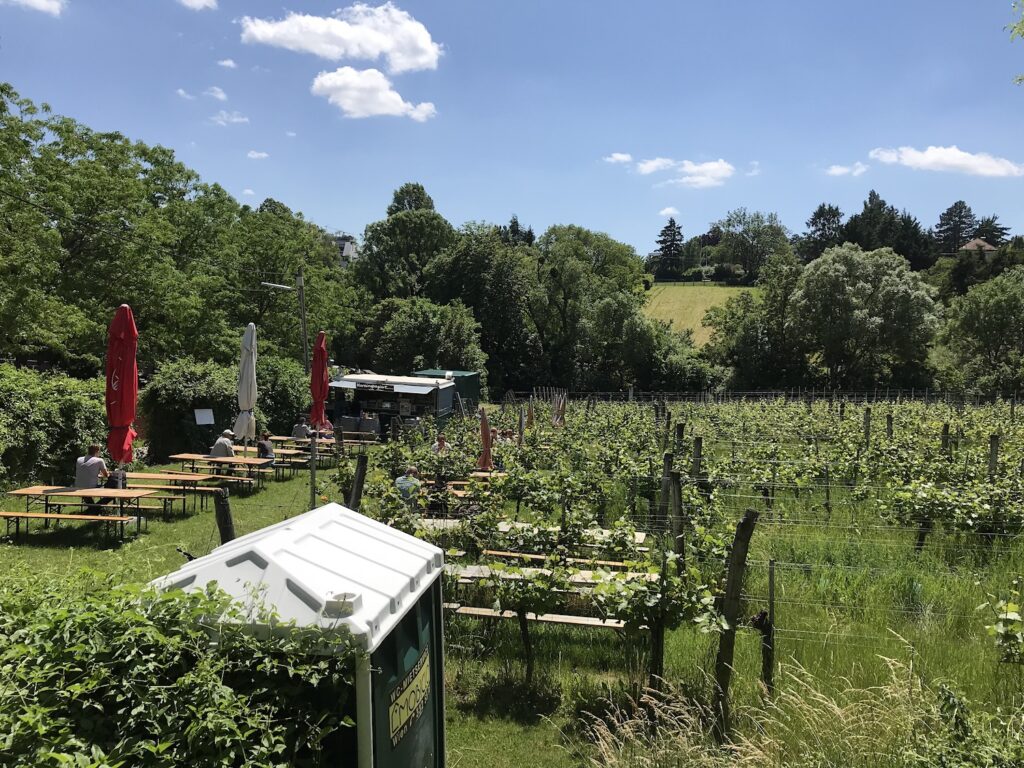
Evening: Heuriger Wine Taverns
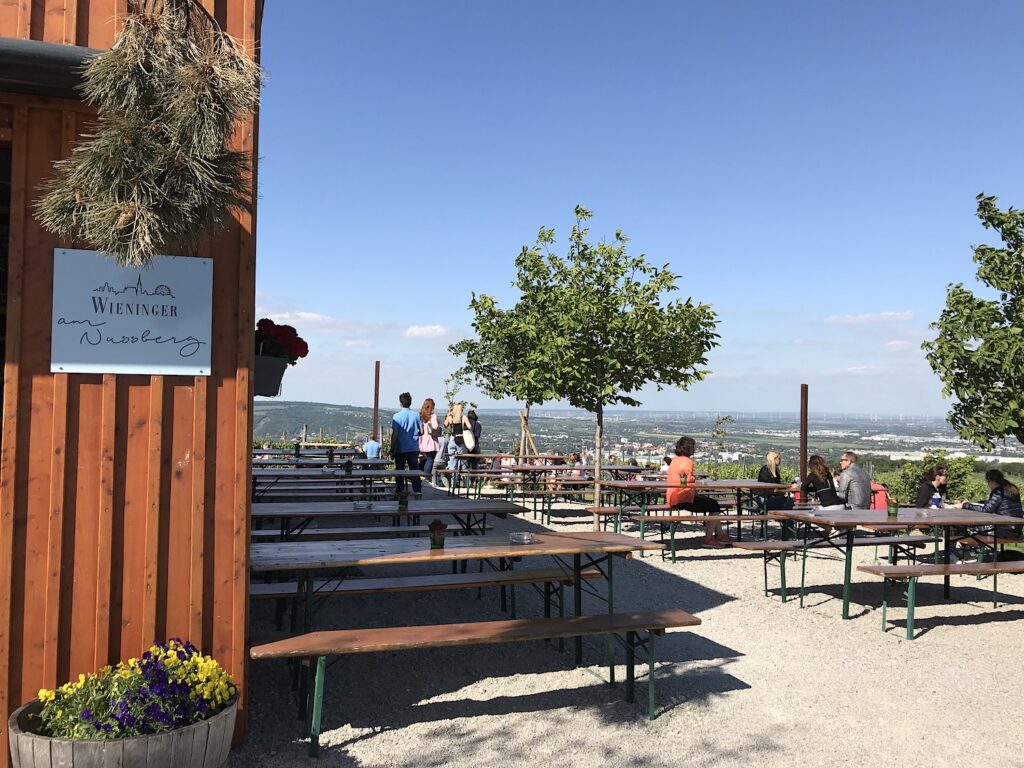
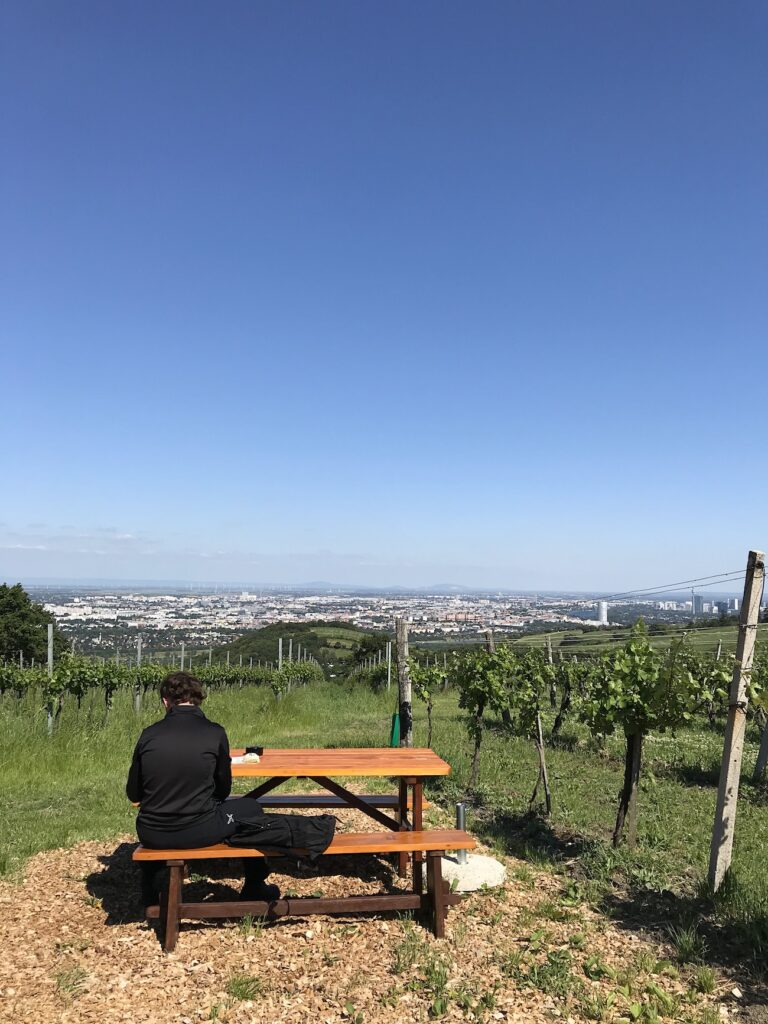
End your stay with a visit to Grinzing, Neustift am Walde or nearby wine villages on the city’s outskirts. These areas are famous for their traditional wine taverns, known as Heuriger, where local wines are served alongside simple, seasonal dishes in a relaxed, village-like setting. Vienna’s wine tavern culture is explored in depth in a dedicated article on my blog.
Where to Stay in Vienna
Luxury:
Hotel Sacher, Hotel Imperial
Mid-range & Boutique:
25hours Hotel MuseumsQuartier, Hotel Motto
Affordable & Central:
Motel One, MEININGER Hotels
Final Thoughts
Vienna is a city best enjoyed without rushing. In 48 hours, you’ll experience its imperial past, artistic heritage, coffee house culture and everyday elegance. It’s a city that rarely tries to impress—and almost always succeeds.
FAQ: Visiting Vienna
Is 48 hours enough to see Vienna?
48 hours is enough to experience Vienna’s highlights, including its historic centre, major museums, coffee house culture and one palace. It’s ideal for a first visit.
Is Vienna a good weekend destination?
Yes. Vienna is compact, easy to navigate and rich in culture, making it ideal for a weekend city break.
What should I not miss on my first visit to Vienna?
St. Stephen’s Cathedral, Hofburg Palace and the Sisi Museum, Schönbrunn Palace, a traditional coffee house, and at least one major art museum such as the Belvedere or Albertina.
Do I need a Vienna City Card?
If you plan to use public transport frequently and visit several attractions, a 24- or 48-hour Vienna City Card is a convenient and cost-effective option.